Why indonesia textile ikat sumba flores belongs on a luxury travel map
On the surface, indonesia textile ikat sumba flores sounds like a niche interest. For a solo traveler who cares about culture and comfort, it is actually a precise roadmap through islands where textiles still structure daily life and ceremony. Follow that phrase and you move from polished suites in Labuan Bajo to remote village verandas where a woman counts warp threads at dawn.
Flores and Sumba sit in the Nusa Tenggara chain, east of Bali yet worlds apart in rhythm. Each island has its own textile traditions, and together they form a living gallery of Indonesian textiles that rivals any museum collection in Jakarta. Booking a luxury base on each island lets you move between curated comfort and raw weaving sessions in a single day.
Think of this trail as a sequence of stays rather than a single tour. One night you are in a cliffside villa above Labuan Bajo, the next afternoon you are barefoot in a west Sumba courtyard watching blue black dye stain a skein of cotton. The thread that connects these experiences is not only fabric, but the way cloth still signals status, belief and belonging across Sumba Flores.
Flores: labuan bajo bases and the quiet art of warp ikat
Flores is where most travelers first touch the world of indonesia textile ikat sumba flores, usually after landing in Labuan Bajo for a Komodo cruise. Stay an extra day and the town becomes a launchpad for visiting weaving communities scattered across western Flores and central Flores. From a hilltop resort you can arrange a car and guide before breakfast, then be in a village courtyard as the first backstrap loom is tightened.
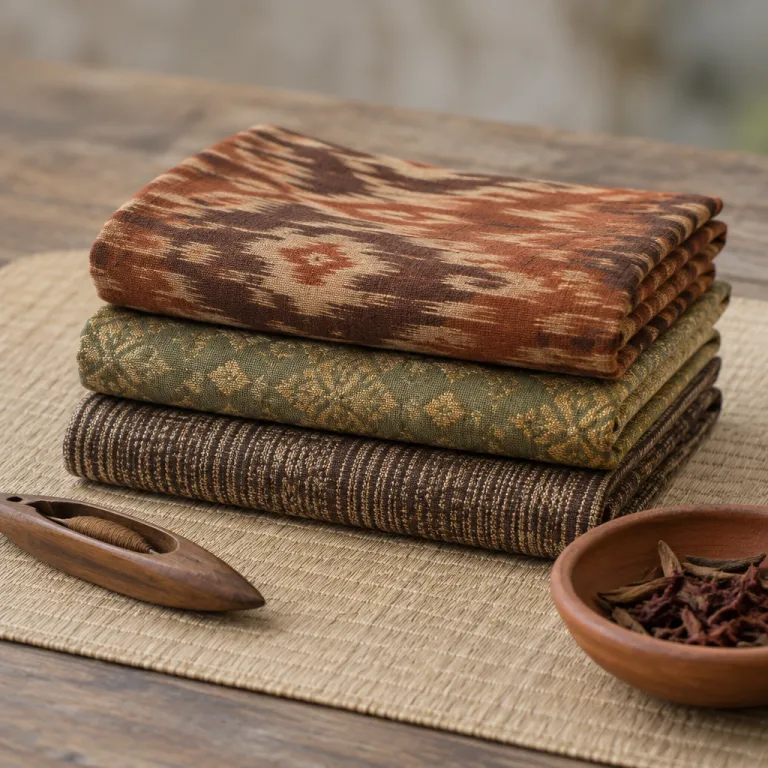
On this island, ikat weaving is less theatrical than in Sumba, but no less refined. Women work with natural dyes derived from bark, leaves and roots, creating natural dyed yarns in earthy reds and deep blue black tones. The result is a spectrum of traditional textiles where each motif, from hooked diamonds to stylized lizards, encodes clan stories that predate the arrival of batik and imported patola cloth.
In western Flores, many weavers still use a classic warp ikat technique, tying and retying threads in a tied dyed process before dipping them repeatedly into natural dye vats. You will see sarong lengths drying beside family gardens, supplementary weft accents added later to highlight borders and central panels. If you are curious about how ceremony and cloth intersect, pair this leg of the journey with a reading on ceremonies still worth reshaping a trip around before you visit.
Sumba: hinggi, sumba ikat and the architecture of status
Where Flores whispers, Sumba speaks in capital letters, and indonesia textile ikat sumba flores takes on a more dramatic tone. The island is divided broadly into east Sumba and west Sumba, each with distinct textile traditions and a shared reverence for cloth as social currency. Here, a single hinggi shoulder cloth can signal lineage, wealth and ritual obligation in ways that no hotel loyalty card ever will.
In east Sumba, sumba ikat textiles tend to be bold and graphic, with horses, skull trees and ancestor figures marching across blue black and russet fields. Natural dyes remain central, and many villages still control access to specific motifs, treating them as intellectual property embedded in fabric. West Sumba leans toward softer palettes and more frequent use of supplementary weft, adding shimmering highlights that catch the light like jewelry against the body.
Luxury properties on Sumba increasingly understand that their guests want more than a pool and a spa. The most thoughtful ones build visits to weaving hamlets into their daily activity lists, arranging for you to sit with a woman at her backstrap loom rather than just browse a hotel shop. To see how this fits into the broader shift in Indonesian hospitality, look at how Indonesia’s evolving luxury travel pipeline is reshaping cultural hotel stays across the archipelago.
How to read cloth: from museum labels to village verandas
Understanding indonesia textile ikat sumba flores starts with learning to read cloth the way locals do. In a city museum you might see a hinggi labeled simply as “ceremonial textile”, but in a Sumba village that same piece is a ledger of marriages, feasts and funerals. When you visit weaving communities from central Flores to east Sumba, ask your guide to translate not just language, but the social weight of each textile.
Look first at structure, then at surface. Is the piece a warp ikat, where the pattern is dyed into the lengthwise threads before weaving, or does it rely on supplementary weft, where extra threads are floated over the base to create shimmering motifs ? A traditional sarong from western Flores might combine both, with tied dyed bands of color anchoring the design and fine supplementary weft lines adding subtle borders.
Color tells another story. Natural dyes tend to produce slightly uneven, natural dyed tones that shift gently across the fabric, while chemical colors often look flat and uniform under strong daylight. In many parts of Nusa Tenggara, especially Sumba Flores, deep blue black grounds come from repeated indigo dips, while reds and browns derive from morinda and other local plants. If you are building an itinerary that balances cultural depth with environmental sensitivity, pair this textile trail with stays highlighted in our guide to luxury eco resorts in Indonesia.
Booking smart: luxury bases, ethical buying and solo logistics
Following the indonesia textile ikat sumba flores trail without a tour group demands a bit of planning, but it rewards independence. Start by choosing hotels in Labuan Bajo, west Sumba and, if time allows, central Flores that have staff familiar with nearby weaving villages. A good concierge will know which communities welcome visitors, which days are best to visit, and how to arrange respectful introductions.
When you buy fabric, think of yourself as a patron rather than a bargain hunter. Handwoven textiles from Sumba and Flores can take weeks or months to complete, especially pieces with complex ikat weaving or dense supplementary weft work. Paying a fair price supports not only the woman at the backstrap loom, but also the extended network that grows cotton, prepares natural dyes and maintains the rituals that give these cloths meaning.
Ethical choices extend to what you skip. Machine made imitations of traditional textiles are everywhere in Indonesia, often mimicking batik, patola and ikat patterns without any connection to local textile traditions. Ask your hotel or guide to steer you toward cooperatives that prioritize natural dye processes and transparent pricing, and keep your luggage space for pieces that carry the weight of real lives and landscapes stitched into every thread.
FAQ
Is it realistic to follow this textile trail as a solo traveler ?
Yes, a solo traveler can comfortably follow the indonesia textile ikat sumba flores route by using luxury or premium hotels as logistical hubs. Properties in Labuan Bajo and Sumba routinely arrange private drivers and local guides for day trips to weaving villages. You retain independence while relying on professional support for language, navigation and cultural etiquette.
How can I tell if a textile is genuinely handwoven ?
Genuine handwoven textiles usually show slight irregularities in the weave and in the natural dyed colors, especially along the edges. Look closely at the selvedge ; a clean, continuous edge often indicates a handloom, while cut and overlocked sides suggest factory cloth. You can also gently stretch the fabric to see how the ikat or tied dyed motifs behave, as printed patterns tend to sit more rigidly on the surface.
Where should I base myself to explore Flores and Sumba textiles ?
For Flores, Labuan Bajo is the most practical base, with a growing range of luxury hotels and easy access to western Flores weaving communities. On Sumba, many travelers choose properties in west Sumba for better infrastructure, then arrange day trips across the island. If you have more time, splitting nights between west Sumba and east Sumba lets you experience different textile traditions without rushing.
Are natural dyes always better than synthetic dyes ?
Natural dyes are not automatically superior, but they do connect more directly to local ecosystems and older textile traditions. In Sumba Flores, many weavers still use natural dyes from plants and minerals, which produce nuanced blue black and earthy tones that age gracefully. Synthetic colors can be brighter and more consistent, yet they often lack the depth and environmental story that many travelers seek.
How much should I budget for a high quality ikat or hinggi ?
Prices vary widely depending on size, complexity and origin, but a serious handwoven ikat or hinggi from Sumba or Flores will usually cost significantly more than mass produced cloth in city markets. Expect to pay more for pieces with intricate warp ikat patterns, dense supplementary weft work or rare natural dyes. When in doubt, ask your hotel or guide to help you assess quality so your purchase reflects both craftsmanship and fair compensation.