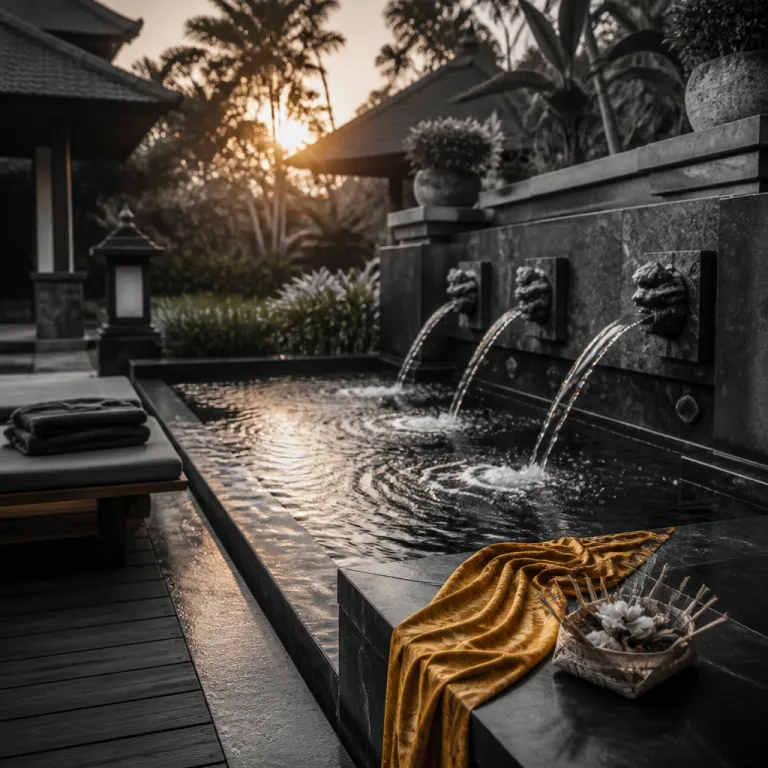
What melukat really is when you step away from the spa menu
Melukat in Bali is not a passing wellness trend; it is a Balinese Hindu water purification ceremony rooted in centuries of practice and scripture. A traditional melukat ceremony is a structured ritual that cleanses body, mind and spirit through holy water, prayer and offerings at sacred springs. Local tourism data notes that “What is Melukat?” and “Can tourists participate in Melukat?” sit alongside “Is Melukat suitable for everyone?” because “A Balinese water purification ceremony cleansing body, mind, spirit.” is now a core spiritual experience for visitors.
At its most authentic, melukat purification unfolds at water temples known as tirta, such as Tirta Empul in Gianyar or Pura Mengening in Tampaksiring, where a pemangku, or temple priest, leads the ceremony with quiet authority. The sequence is precise: preparation with canang sari offerings, prayer in Balinese, immersion under powerful flows of holy water and a final water blessing that seals the purification intention. This is not a quick cleansing; it is a full spiritual rite that asks you to slow down, breathe and accept that you are entering a sacred space in Bali Indonesia, not a themed spa wellness attraction.
Expect to wear traditional white clothing and a sash, and to be guided on how to move from shrine to shrine in the correct number and order. The pemangku will perform melukat by chanting mantras, sprinkling holy water and sometimes tying a tridatu bracelet around your wrist as a reminder of ongoing spiritual cleansing. When hotels talk about a melukat ceremony or a Balinese water purification experience, the question is whether they honour this structure or reduce the ritual to a photo friendly water moment beside an infinity pool.
How luxury hotels in Bali are packaging melukat for wellness seekers
Across Bali Indonesia, the promise of a private melukat ritual at a luxury resort has become shorthand for “immersive” spa wellness programming. High end properties now work with Balinese Hindu priests and hotel wellness coordinators to bring guests to nearby water temples or to host a purification ritual at on site springs. Some retreats in Gianyar or Badung regency even publish a clear IDR per person rate for a guided melukat session, positioning it alongside massages and facials on the spa menu.
Handled with care, this can be a powerful healing experience that bridges hotel comfort and sacred tradition. A thoughtful resort will arrange transfers along quiet jalan village roads, brief you on how to wear traditional attire respectfully and ensure offerings are prepared by a local team rather than by the spa director alone. The best hotels treat melukat purification as part of a wider collection of cultural immersion activities, pairing the water blessing with temple visits, an art gallery stop or a shared meal that echoes the communal spirit of a Balinese megibung, much like the communal dining explored in this guide to what a Balinese megibung actually looks like at a luxury property.
Less considered hotels, by contrast, may stage a ceremony beside a decorative pool, with no pemangku present and only a vague reference to spiritual cleansing. You might be invited to step into the water in a swimsuit, with so called holy water poured from a carafe that has never seen a temple, and charged a premium fee in rupiah that feels disconnected from local practice. When you read a Bali melukat experience description in a luxury context, look for specific references to partner temples, named priests and clear guidance on spiritual intention rather than generic spa wellness language.
Authentic melukat versus hotel imitation : how to tell the difference
For a solo explorer choosing a Bali hotel that offers water purification, the key question is simple: is this a temple led ceremony or a spa led performance. Authentic melukat Balinese experiences always involve a pemangku, real holy water sourced from recognised water temples and a clear sequence of prayer, immersion and blessing. They also sit within a broader landscape of Indonesian ceremony, from Sumba’s Pasola to Toraja’s funerals, the kind of rituals explored in depth in this piece on ceremonies still worth reshaping a trip around.
Signs of authenticity include being asked to wear traditional white and yellow clothing, being given a tridatu bracelet after the ritual and being briefed on temple etiquette before you enter. You should see local Balinese families performing their own purification alongside you, not just other resort guests lining up for photos under the water. Pricing in IDR per person is usually transparent and modest at the temple itself, often starting from around IDR 50,000 to 150,000 for offerings and a donation, with any higher number at your hotel clearly explained as covering transport, offerings and a contribution to the priest.
By contrast, a staged hotel package might offer a “water blessing” in a private plunge pool with no mention of regency Bali temples or local priests. The language will lean heavily on generic healing and cleansing promises, with little detail about the actual purification ritual or how holy water is sourced. When you read these offers, ask who leads the ceremony, where the water comes from and whether the hotel has an ongoing relationship with a specific temple rather than a one off photo opportunity.
How to choose a bali melukat ceremony luxury hotel with cultural integrity
Choosing the right hotel in Bali Indonesia for a melukat purification is less about thread count and more about relationships. Look for a resort that names its partner temple, explains which regency Bali it sits in and introduces the Balinese Hindu priests who conduct the purification ritual. Properties that treat melukat as a core spiritual experience will often limit group size, schedule ceremonies at appropriate times and brief guests thoroughly on what to expect.
Read the fine print of any Bali melukat themed package and pay attention to how often the word “spiritual” appears without context. A credible spa wellness programme will describe the sequence of the ceremony, from offerings to holy water immersion, and may even share that “Can tourists participate in Melukat? Yes, many temples and hotels offer guided experiences.” while reminding you that “Is Melukat suitable for everyone? Generally, yes; consult with organizers for specific considerations.”. When a hotel is serious about spiritual cleansing, it will also be clear about what melukat is not; it is not a guarantee of instant healing, nor a performance staged solely for social media.
On the practical side, ask how much is charged in IDR per person, how donations are handled and whether the hotel supports temple maintenance or local community projects. A transparent breakdown might show, for example, IDR 150,000 for offerings, IDR 200,000 for the priest, IDR 250,000 for transport and coordination and a clearly stated amount for the hotel’s margin. Some of the most thoughtful properties integrate melukat Balinese rituals into a wider collection of cultural experiences, from visits to an art gallery featuring religious iconography to guided walks along rural jalan routes that explain daily offerings. Others pair the water blessing with quiet time in a spa wellness space, allowing you to sit with the emotional cleansing rather than rushing back to the pool bar.
Spiritual tourism, respect and what luxury really means in Bali
Spiritual tourism in Bali sits on a fine line between meaningful engagement and appropriation. A hotel that promotes melukat as part of its luxury offering can either help you cross that line with humility or push you into a performance of spirituality that feels hollow. The difference lies in whether the property treats water purification as a sacred ceremony first and a marketable experience second.
True luxury in Bali Indonesia is not just the private villa or the curated collection of spa wellness treatments; it is the chance to participate in a purification ceremony that honours local belief. That might mean accepting that the water is cold, that the number of people at the temple includes local families and that your schedule bends around the priest’s availability. It might also mean reading up on Balinese Hindu practice before you travel, using resources like this deep dive into how to read an Indonesian tasting menu to understand how ritual, offering and hospitality intersect across the archipelago.
When you perform melukat with respect, you step into a living tradition rather than a staged show. You accept the holy water as part of a continuum of Balinese purification, from daily offerings to major life cycle rites, not as a one off spa add on. In that moment, the Bali hotel or resort that hosted you becomes a bridge between your own search for healing and the island’s ongoing spiritual cleansing, and that is something no property can fake.
FAQ
Can tourists participate in a melukat ceremony in Bali ?
Yes, tourists can participate in a melukat ceremony at many temples and through certain hotels that work with local priests. It is essential to book through reputable sources, respect local customs and wear traditional modest clothing, usually white with a sash. A good Bali hotel that arranges melukat will brief you carefully and ensure that the ritual is led by a genuine pemangku at a recognised water temple.
What happens during a traditional melukat purification ritual ?
A traditional melukat purification ritual follows a clear sequence of preparation, prayer, water immersion and blessing. You present offerings, join guided prayers, then move through streams of holy water where the priest leads spiritual cleansing before a final water blessing and sometimes a tridatu bracelet. The entire ceremony is designed as a purification rite for body, mind and spirit, not just a symbolic splash in the water.
How much does a melukat experience usually cost in Bali ?
At local temples, the melukat Balinese experience is often based on donations in IDR per person rather than fixed tickets. When arranged through an upscale resort, the number can be higher because it includes transport, offerings, priest fees and coordination by hotel wellness coordinators. Always ask for a clear breakdown in Indonesian rupiah and how much goes directly to the temple or community.
Is melukat suitable for everyone, including solo travelers ?
Melukat is generally suitable for most people, including solo travelers seeking a deeper spiritual experience. Organizers usually advise guests with specific health or mobility concerns, as the water can be cold and temple steps can be steep. If you are unsure, speak with your hotel or the temple team in advance and choose a resort that offers thoughtful guidance rather than a rushed group package.
How can I tell if a hotel melukat offering is respectful and authentic ?
Look for clear information about which temple is involved, who the Balinese Hindu priests are and how the holy water is sourced. Respectful hotels emphasise preparation, etiquette and post ceremony reflection, and they encourage guests to wear traditional clothing and behave appropriately in sacred spaces. If the offer focuses only on photos, vague healing promises and a high IDR price without cultural detail, it is likely more performance than genuine purification.