Indonesia cultural ceremonies travel for couples who care about meaning
Indonesia cultural ceremonies travel is not about ticking off performances. It is about entering living culture, where religion in Indonesia, community and land are woven into every gesture. When couples plan a trip around these rites, they step into spaces where Indonesian people still negotiate identity, status and faith in real time.
Across this island nation, culture in Indonesia is expressed through ceremonies that bind people to ancestors and seasons. From Sumba to Sulawesi and Bali, each island shapes its own religious calendar, and the time you choose to visit will define the depth of your experience. For luxury travelers, the real upgrade is not a larger suite but a carefully timed visit that aligns your stay with the ceremonies that matter most to local communities.
Indonesia travel focused on rituals demands more preparation than a standard beach holiday. You will need to align your time visit with lunar calendars, harvest cycles and family decisions that can shift at short notice. That is why working with a specialist hotel concierge or regional fixer who speaks the local language and understands Indonesian culture is as important as choosing the right villa or pool.
Pasola in Sumba: horseback combat and a luxury base that understands it
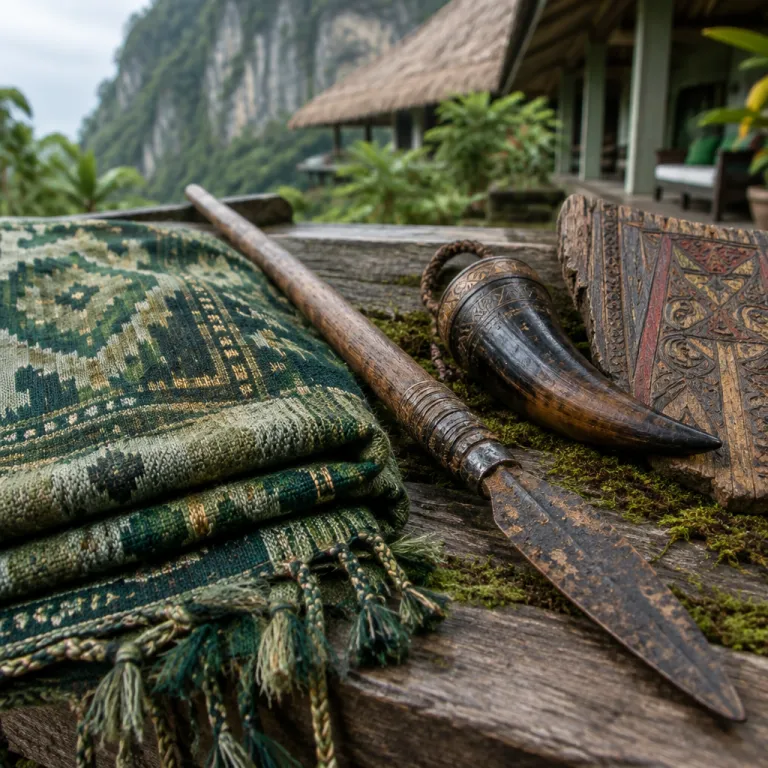
On Sumba’s western plains, Pasola unfolds as warriors charge on horseback, hurling wooden spears across a sea of shouting people. Local belief holds that this ritual combat helps ensure a fertile harvest and honors the ancestors who watch over the island. In local explanations, the significance of Pasola is clear: a ritual to secure a bountiful harvest and pay respect to those who came before.
For couples planning Indonesia cultural ceremonies travel, Pasola is one of the most dramatic and least forgiving in terms of logistics. The event is tied to a specific lunar phase and the appearance of nyale sea worms along the coast, which means the exact time can shift within the February to March window. Luxury travelers usually base themselves at NIHI Sumba or another high-end lodge, then rely on in-house cultural teams and local guides to judge the right day to visit the ceremonial fields.
Respect is non-negotiable here, because this is not a show staged for visiting travelers. Wear long trousers or a modest dress, avoid bright white outfits, and follow tips from your hotel on how to move among Indonesian people without blocking views or horses. Photography is generally accepted, but always ask a local elder or your guide before stepping close to the riders, and remember that in this corner of Indonesia, culture is inseparable from risk, dust and the possibility of injury.
Toraja funerals in South Sulawesi: staying long enough for the full rite
High in the hills of South Sulawesi, Toraja funerals unfold over several days, sometimes weeks, as families escort the deceased from house to afterlife. These ceremonies are central to religion in Indonesia in this region, blending Christian iconography with older animist beliefs in a way that fascinates many visiting travelers. Funerals can last from a few days to several weeks, depending on the status and wealth of the family.
For couples interested in Indonesia cultural ceremonies travel, Toraja offers a slower, more contemplative immersion than Pasola. You will usually base yourself in Rantepao at properties such as Toraja Misiliana Hotel, then work with local cultural organizations or guides who know which families are open to respectful guests. Because funerals can happen throughout the year, the key planning tip is to allow flexible time in your trip, so your guide can adjust your visiting schedule when a major rite is confirmed.
Etiquette here is precise yet generous, and Indonesian people will often welcome you if you arrive with humility. Dress modestly in dark, respectful colors, avoid loud conversation near the central rituals, and follow your guide’s advice on when to offer a small donation or bring gifts such as coffee or sugar. You will see animal sacrifices and hear the local language used in chants and speeches, so be honest with yourself about your comfort level before traveling, especially if one partner is more sensitive to such scenes.
Bali’s Galungan and Kuningan: when the island’s spirit world comes close
On Bali, Galungan and Kuningan transform the island into a landscape of penjor bamboo poles, temple offerings and family reunions. For many Balinese families, these days mark the time when ancestral spirits return to visit, turning every village street into a quiet procession route. Couples who time their Indonesia travel around this period will see not just ceremonies in major temples, but also the intimate offerings placed at villa doorsteps by housekeepers each morning.
Because Bali is the most visited island in Indonesia, culture here can feel curated for tourism, yet Galungan still belongs first to local communities. Luxury hotels from Ubud to the eastern coast now design cultural immersion programs that help guests understand how Indonesian culture shapes daily life, from cooking to prayer schedules. When you plan your time visit, ask your hotel concierge to map temple ceremonies within walking distance, so you can attend on foot and avoid adding to traffic around village shrines.
Dress codes are clear and should be taken seriously, especially in religious spaces where Balinese customs are strict. Both men and women should wear a sarong and sash, shoulders covered, and avoid entering inner temple courtyards unless explicitly invited by local priests or guides. Photography is usually tolerated outside the most sacred zones, but always step aside when lines of people carrying offerings approach, because in this part of Indonesia, culture and courtesy are measured in how well you make space for others.
Choosing luxury bases, fixers and ethical access across Indonesia
For couples planning Indonesia cultural ceremonies travel, the hotel you choose is your primary cultural interpreter. In Sumba, NIHI Sumba works with local communities and cultural organizations to arrange Pasola access that respects both safety and tradition, while in Toraja, established properties coordinate with village leaders to ensure guests arrive at appropriate times. On Bali, high-end resorts in Ubud, Sidemen and the quieter coasts now employ cultural concierges who can explain religion in Indonesia, temple etiquette and the nuances of local language before you set out.
Access to these ceremonies is never a simple ticket, and understanding costs is part of traveling well. Some payments are formal fees for guides and transport, others are donations to families or villages, and tips are a separate gesture of appreciation for individual service. Tourists can attend many of these ceremonies, but only when they respect local customs, follow community guidance and accept that certain areas remain off-limits.
Use a trusted platform such as myindonesiastay.com to compare properties that take culture in Indonesia seriously, then read their policies on community engagement before booking. Our guide to unlocking exclusive Indonesia luxury hotel last minute deals for premium stays can help you align value with authenticity, especially if you are traveling outside peak holiday seasons. When you are visiting regions with significant Muslim populations, such as parts of Sulawesi or Lombok en route, remember that prayer times and modest dress expectations will shape how Indonesian people perceive your presence, even if your main focus is a non-Muslim ceremony elsewhere.
Practical etiquette tips for respectful cultural immersion
Thoughtful Indonesia cultural ceremonies travel begins with accepting that you are a guest in someone else’s sacred time. Always ask your hotel or guide for specific tips before entering any religious space, because expectations vary between islands and even between neighboring villages. A simple rule holds across Indonesia: when in doubt, follow the behavior of the oldest local person in the room.
Language matters as much as clothing, and learning a few phrases in Bahasa Indonesia will transform how Indonesian people respond to you. Even basic greetings and thanks signal that you value Indonesian culture, not just the photo opportunities, and they help you navigate moments when you should avoid certain areas or activities. In Muslim-majority regions, couples should be especially attentive to public displays of affection, alcohol consumption and swimwear choices away from resort pools, because these details shape how welcome you feel during your trip.
Plan your overall travel so that ceremony days are not rushed, leaving time to sit, observe and let the rhythm of local life unfold. Build in rest days at your chosen island base, whether that is a clifftop retreat in Sumba, a riverside lodge in Toraja or a quiet Balinese hideaway far from the busiest beaches. When you treat these journeys as a privilege rather than a spectacle, Indonesia travel becomes a deeper exchange between guests and hosts, and culture in Indonesia reveals itself in ways that stay with you long after the flight home.
FAQ: indonesia cultural ceremonies travel for luxury couples
When is the best time to visit Sumba for Pasola ?
Pasola usually takes place between February and March, but the exact dates shift each year based on the lunar calendar and the appearance of sea worms along the coast. Plan at least a week on the island to give your hotel and local guides flexibility to adjust your visiting schedule. Confirm likely windows with your property several months before your trip, then stay in close contact as the season approaches.
How can couples attend a Toraja funeral respectfully ?
The most respectful approach is to work through a licensed local guide or your hotel in Rantepao, who will know which families are open to guests. Dress modestly in dark colors, bring a small donation or appropriate gift if advised, and follow your guide’s instructions on where to sit and when to move. Avoid intrusive photography, especially during moments of prayer or sacrifice, and always ask before taking close up portraits.
Are these ceremonies suitable for sensitive travelers ?
Pasola and Toraja funerals can be intense, with ritual combat and animal sacrifices that some people find distressing. Bali’s Galungan and Kuningan are generally gentler, focusing on offerings, processions and temple visits, which many couples experience as more serene. Be honest with each other about your comfort levels, and choose ceremonies that align with your values and emotional resilience.
Do I need to speak the local language to attend ceremonies ?
You do not need fluency in Bahasa Indonesia or regional languages, but learning basic greetings and thanks will significantly improve your interactions. A good guide or hotel cultural host will interpret key moments and explain what is happening in clear English. Having at least a few local phrases ready shows respect and often opens warmer, more genuine exchanges with community members.
How should we handle donations, fees and tips during ceremonies ?
Ask your hotel or guide to clarify expected contributions before you arrive, because practices vary between islands and communities. In many cases, there will be a suggested donation for the family or village, separate from your agreed guide fee and any personal tips for drivers or assistants. Keep small denomination notes ready, give discreetly, and never treat financial contributions as a way to demand access to restricted ritual spaces.