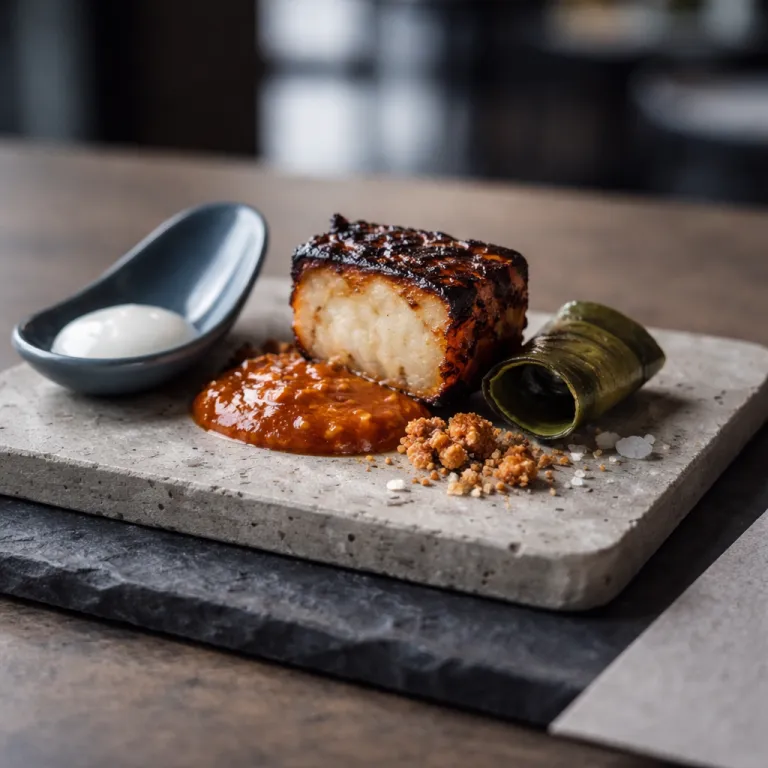
How Indonesia rewrote the rules of the fine dining tasting menu
On a luxury trip to Indonesia, the most revealing moment often happens far from the pool, in the hush of a main dining room when the first course of an Indonesian fine dining tasting menu arrives. The country’s leading restaurants now treat that moment as a manifesto, using each dish to argue that locally sourced Indonesian ingredients deserve the same reverence once reserved for European imports and that a long dinner can feel both rigorous and deeply relaxed. For travelers booking premium hotels in Bali or Jakarta, understanding this shift will help you choose the right restaurant, the right dining room, and the right night to turn a business trip extension into a genuine culinary journey.
Locavore NXT in Ubud and August in Jakarta sit at the center of this new dining scene, and their recent recognition on Asia’s 50 Best Restaurants list signals that Indonesia’s best tasting menus now compete on a regional stage. In the 2024 edition, August entered the list at No. 46 while Locavore NXT appeared on the extended 51–100 ranking, confirming that these kitchens are now watched by diners across Asia (Asia’s 50 Best Restaurants, 2024, official ranking). These restaurants show that a tasting menu can be both technically fine and emotionally generous, moving from a precise chef table presentation to a final course that feels almost like a family supper. When you browse luxury hotel booking platforms, look for properties that can secure a table at these restaurants or offer curated dining options that include transfers, pre dinner cocktails, and late check out the next morning.
For the traveler, the question is no longer whether to book a tasting menu, but how to read one and how that choice will shape your stay. A well planned dining experience can anchor a three night escape in Bali or turn a Jakarta board meeting into an excuse to explore the city’s most ambitious food. Understanding the structure of Indonesian tasting menus, from snacks to dessert, lets you pace your day, choose the right room category, and decide whether to follow dinner with a nightcap in a hotel tipple room or a quiet swim under the stars.
Inside Locavore NXT: a 20 course journey through Bali’s ingredients
Locavore NXT, just south of central Ubud in Bali, has become the reference point for what an Indonesian fine dining tasting menu can be when it is built entirely on local ingredients. The restaurant’s 20 course format sounds daunting, yet the flow is carefully calibrated so that each tasting portion feels light, allowing the dinner to stretch over several hours without fatigue. For guests staying in nearby luxury villas or jungle resorts, this is the kind of dining experience that justifies planning your whole day around a single evening.
The menu begins with a flurry of small dishes that frame the restaurant’s philosophy, often highlighting one or two Indonesian ingredients at a time and pairing them with unexpected techniques such as controlled fermentation or smoking in coconut husk. A typical opening sequence might include a bite of smoked fish wrapped in kemangi leaves, a tart jackfruit pickle, or a crisp made from local rice, each one plated as a single, photogenic mouthful that would sit naturally beside an image caption like “Locavore NXT snack course, Ubud – photo of a single bite on a stone plate.” Midway through the meal, the pacing slows, and the main dining sequence moves into slightly larger plates that still respect the tropical climate and the fact that many guests have spent the afternoon exploring the area’s rice terraces. By the time dessert arrives, the tasting menu has traced a clear line from Bali’s coastline to its upland farms, showing how locally sourced produce can sustain a long, fine dining format without repetition.
Locavore NXT’s team is explicit about its mission, describing the project as “a restaurant in Ubud focusing on hyper-local Indonesian cuisine” and emphasizing that “our ingredients are almost exclusively sourced from within Indonesia” (Locavore NXT, 2023, official restaurant statement). The restaurant works closely with farmers and artisan producers, using foraging, fermentation labs, and even mushroom chambers to keep the supply of high quality ingredients steady throughout the year. One chef describes the approach as “letting Bali speak in twenty small chapters,” a line that captures how the menu feels at the table. When you book through a premium hotel concierge or a site like myindonesiastay.com, ask for a late seating and arrange transport back to your room so you can let the final course linger with a nightcap rather than watching the clock.
August in Jakarta: what a capital city restaurant signals about Indonesia
Jakarta’s August approaches the Indonesian fine dining tasting menu from a different angle, one shaped by skyscrapers, boardrooms, and a clientele that often arrives straight from meetings. Located in a central business area, the restaurant has become a marker of the city’s rising confidence, showing that Jakarta can host a dining scene as nuanced as any regional capital. For business leisure travelers staying in premium hotels nearby, August offers a way to turn a work trip into a calibrated dining experience without leaving the city core.
The tasting menus at August are shorter than the marathon at Locavore NXT, yet they still read as a complete culinary journey, moving from snacks to dessert in a sequence that respects both time and appetite. A typical dinner might start with a precise bite built around a single Indonesian ingredient, such as a tartlet of smoked eel with andaliman pepper or a reworked martabak filled with foie gras, then move into courses that reinterpret familiar comfort food through fine dining technique, always with an eye on balance rather than shock. The chef and the team use locally sourced produce from across the archipelago, but they plate it in a way that feels at home in a glass walled dining room overlooking Jakarta’s lights.
For hotel guests, the practicalities matter as much as the poetry of the menu, especially when a late meeting runs long or traffic reshapes your evening. August handles dietary requirements with quiet efficiency, yet advance notice is essential, so coordinate with your concierge or booking platform when you reserve. One frequent guest describes arriving late after a rainstorm and still being guided through the full sequence “without a single course feeling rushed,” a detail that reflects the restaurant’s service culture. The restaurant’s recognition on Asia’s 50 Best list signals that Jakarta is no longer just a transit hub, and pairing a night at August with a stay in a high floor room turns the city into a destination for the best tasting menus rather than a brief stop between Bali flights.
How to read an Indonesian tasting menu from chef table to private dining room
Whether you are seated at a chef table in Ubud or in a hushed private dining room in Jakarta, the structure of an Indonesian fine dining tasting menu follows a quiet logic. Early courses tend to be playful and compact, designed to wake the palate with bright acidity, gentle heat, and textures that reference street food without copying it. As the dinner progresses, the dishes lengthen in flavor and narrative, often weaving in stories of farmers, coastal fishers, or spice routes that once linked these islands to the wider world.
On the page, a tasting menu can look dense, yet reading it with a few principles in mind makes it less intimidating and more enjoyable. First, pay attention to the sequence of ingredients, because chefs in these restaurants often group courses by landscape, moving from sea to mountain or from one island area to another, which helps you understand how locally sourced food shapes the meal. Second, note the balance between plant based dishes and those built around seafood or meat, since many Indonesian ingredients shine brightest when they are given space rather than heavy sauces.
For travelers booking through luxury platforms, the choice between a main dining room table and a more secluded table in a semi private area can change the tone of the evening. A table close to the kitchen pass offers a more energetic dining experience, while a table in a quieter corner suits guests who want to talk business between courses. Some properties can even arrange a table in a hotel’s own tipple room for post dinner drinks, extending the culinary journey beyond the restaurant itself and turning a single tasting menu into the centerpiece of a full night’s hospitality.
From Mozaic to Imamura: planning a seven day route around Indonesia’s best tables
For travelers using a luxury hotel booking website to plan a week in Indonesia, the smartest itineraries now orbit around a sequence of tasting menus rather than a checklist of beaches. One compelling route begins in Jakarta with August, then moves to Bali for Mozaic Restaurant in Ubud and Imamura on the island’s southern edge, creating a chain of dinners that each interpret Indonesian ingredients through a different lens. This approach suits business leisure travelers who want to align meetings in the capital with a few days of rest in Bali without sacrificing the chance to experience the country’s best restaurants.
In Ubud, Mozaic has long been a training ground for chefs who treat the Indonesian fine dining tasting menu as a canvas for both French technique and archipelago produce. A typical dinner in the main dining room might pair a precise course of local seafood with a sauce built from spices sourced in the surrounding area, followed by a dessert that leans into tropical fruit rather than imported chocolate. Down south, Imamura offers a contrasting dining experience, often blending Japanese discipline with Indonesian ingredients in a way that feels both restrained and quietly indulgent.
To make this route work smoothly, use a platform like myindonesiastay.com to coordinate hotel stays that align with your restaurant reservations and transfer times. Aim for properties that understand the rhythm of fine dining, from flexible breakfast hours after a late dinner to concierge teams who can secure last minute tables when cancellations open up. Over seven days, this kind of planning turns a simple holiday into a curated culinary journey, where each tasting menu, each dining room, and each carefully chosen course adds another layer to your understanding of Indonesia’s evolving dining scene.
FAQ
How far in advance should I book Locavore NXT or August ?
Both Locavore NXT in Ubud and August in Jakarta are in high demand, so reservations should be made several weeks in advance, especially for weekend dinners. If you are traveling during peak holiday periods or staying in a popular Bali resort area, aim to secure your table as soon as your hotel dates are confirmed. Using your hotel concierge or a trusted booking platform can help access waitlists and manage any last minute changes.
What should I expect from a 20 course Indonesian tasting menu ?
A 20 course Indonesian fine dining tasting menu, such as the one at Locavore NXT, is structured as a series of small, carefully paced dishes rather than large plates. The experience usually begins with several snack sized bites, moves into a sequence of savory courses that highlight different Indonesian ingredients and techniques, then finishes with a few desserts and petits fours. Expect the dinner to last several hours, with the restaurant’s team guiding you through the narrative of each course so the length feels engaging rather than overwhelming.
Are dietary restrictions handled well at Indonesian fine dining restaurants ?
Leading Indonesian restaurants such as Locavore NXT, August, and Mozaic are accustomed to accommodating dietary restrictions, but they require advance notice to adjust a tasting menu properly. When you book, clearly state any allergies or preferences and confirm them again on arrival so the chef can adapt specific dishes without compromising the flow of the meal. Luxury hotels can assist by communicating your needs to the restaurant and ensuring that your dining experience remains seamless from the first course to the last.
How should I plan transport and timing around a long tasting dinner ?
In both Jakarta and Bali, traffic and distance between hotel and restaurant can affect your evening, so build generous travel time into your plans. Arrange a reliable car through your hotel, especially if your dinner includes wine or cocktail pairings, and consider booking a room close to the restaurant to reduce transit stress. Aim to arrive a little early for a pre dinner drink, then allow at least three hours for the full tasting menu so you never feel rushed between courses.
Is there a dress code for Indonesian fine dining restaurants ?
Most high end Indonesian restaurants favor smart casual attire, with long trousers and closed shoes for men and elegant yet relaxed outfits for women. Jackets and ties are rarely mandatory, but sportswear, beachwear, and flip flops are generally inappropriate for a fine dining tasting menu. When in doubt, check with your hotel concierge or the restaurant directly, and remember that air conditioned dining rooms can feel cool after a hot day, so a light layer is often welcome.