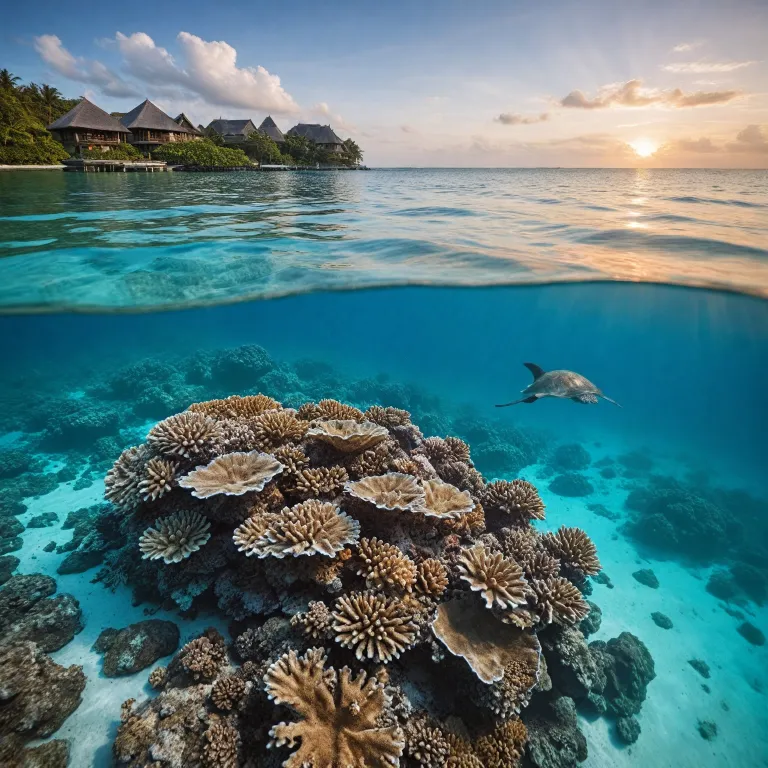
Luxury gateways to diving Indonesia’s most iconic sites
Diving Indonesia in comfort begins long before you roll off the boat. Choosing the right luxury resort or premium liveaboard shapes every dive, every surface interval, and every quiet moment between sites. For travellers who value refined service and seamless logistics, the accommodation becomes part of the marine story.
Indonesia sits at the heart of the Coral Triangle, where coral reefs host extraordinary marine life. Many of the best dive sites lie close to remote island chains, so high end properties and liveaboards bridge the gap between wilderness and ease. When you plan scuba diving here, think of your room, your dive deck, and your camera table as one integrated experience.
Raja Ampat, Komodo National Park, Bali, and Nusa Penida rank among the best destinations for diving Indonesia. Each region offers different dive sites, from gentle coral gardens to strong currents that attract sharks and pelagic species. A thoughtful choice of resort or liveaboard lets you match your certification level, your comfort expectations, and your appetite for adventure.
According to the Indonesian Ministry of Tourism and Creative Economy, the country aims to enhance global recognition as a premier dive destination. Professional operators increasingly partner with marine conservation organisations to protect marine life while welcoming guests. As a traveller, your booking choices directly support local communities and long term reef health.
Before confirming any stay, verify that guided dives are led by qualified instructors from recognised agencies such as PADI Indonesia. Check how many dives per day are included, what depths in meters feet are typical, and whether nitrox is available. These details matter when you want both safety and the best dive experiences across multiple days.
Raja Ampat and Komodo: pairing elite stays with world class dives
Raja Ampat and Komodo National Park sit at the top of many diving Indonesia wish lists. Raja Ampat alone hosts an exceptional percentage of the world’s coral species and more than a thousand fish species. These numbers translate into dive sites where every meter reveals dense marine life, from pygmy seahorses to reef sharks.
Premium resorts in Raja Ampat often occupy private island locations, with jetties extending directly over coral reefs. Guests can step from villa to dive boat in minutes, making early morning dives effortless and serene. Many properties also offer house reef dives, allowing you to explore a vibrant dive site at your own pace.
Komodo National Park, frequently called Komodo National by divers, is famous for strong currents that bring nutrient rich water. These currents attract sharks, manta rays, and swirling schools of fish, creating some of the best dive conditions in Indonesia. Because of these strong currents, operators usually require appropriate scuba diving experience and careful briefings before each entry.
Liveaboards are particularly popular in both Raja Ampat and Komodo, with ampat liveaboard itineraries covering remote sites unreachable in a day. Ampat liveaboards and their plural counterparts, ampat liveaboards, typically offer several dives per day, gourmet meals, and spacious cabins. This style of trip suits travellers who want maximum time in the water with minimal daily transfers.
When comparing resorts and liveaboards, look at how they schedule dives across the best time windows for each region. Diving Raja Ampat is often ideal during one part of the year, while Komodo’s best time may fall in another season. Many high end operators provide clear guidance on year round conditions, helping you align your travel dates with visibility and sea state.
Choosing between luxury resorts and liveaboards for diving Indonesia
For many travellers, the central decision in diving Indonesia is whether to stay at a resort or join a liveaboard. Each option offers distinct advantages, and the best choice depends on your travel style and expectations. Understanding how dives are organised in both formats will help you allocate time and budget wisely.
A luxury resort in Bali, Raja Ampat, or another island often suits guests who value space and privacy. You can combine scuba diving with spa treatments, cultural excursions, and relaxed evenings onshore. Families or mixed experience groups may appreciate the flexibility to schedule fewer dives while still enjoying the property.
Liveaboards, by contrast, focus intensely on dives and marine life, with itineraries built around the best dive windows. A typical day might include three or four dives at different dive sites, plus night dives when conditions allow. For serious underwater photographers, this rhythm offers more chances to capture sharks, manta rays, and intricate coral reefs.
When evaluating liveaboards, pay attention to cabin categories, guest capacity, and how the crew manages strong currents. Some ampat liveaboard vessels specialise in advanced itineraries, while others welcome intermediate divers seeking guidance and structured briefings. Always confirm that safety equipment, dive tenders, and oxygen supplies meet international standards.
Resorts and liveaboards alike should provide clear information on typical depths in meters feet, expected currents, and required certification levels. Ask whether they offer guided muck diving, reef dives, and drift dives, so you can balance variety with comfort. The most satisfying trips blend challenging dives with gentler sessions that let you linger over marine life details.
Bali, Nusa Penida, and muck diving hotspots with premium stays
Bali remains one of the most accessible gateways for diving Indonesia, especially for first time visitors. High end resorts cluster along the east and northeast coasts, close to renowned dive sites. From these bases, you can combine temple visits and dining with daily dives on rich coral reefs.
Nusa Penida, just off Bali, has become famous for encounters with manta rays and seasonal mola mola. The island’s dive sites often feature strong currents, so operators carefully select the best time of day for safe entries. Luxury day boats and select liveaboards run regular trips, allowing you to enjoy marine life highlights without sacrificing comfort.
Beyond Bali, Indonesia offers world class muck diving in areas such as Lembeh Strait and parts of North Sulawesi. Premium resorts in these regions cater to underwater photographers seeking rare critters on black sand dive sites. Here, the best dive may involve slow, meticulous exploration rather than dramatic walls or sharks.
When booking, look for properties that clearly describe their house reef, nearby dive site variety, and access to national park areas. Some resorts operate their own liveaboards or day boats, giving guests seamless transfers between island stays and offshore dives. This integrated approach can maximise your time in the water while maintaining a high standard of service.
Because diving Indonesia is possible year round, Bali and Nusa Penida often serve as flexible options when other regions are off peak. Operators will advise on visibility, water temperature in meters feet, and whether currents are likely to be mild or strong. Aligning your expectations with seasonal patterns ensures that each dive feels like the best use of your holiday time.
Designing a luxury itinerary around seasons, currents, and marine life
Planning a premium trip for diving Indonesia means thinking beyond simple high and low seasons. Each region has its own best time for visibility, marine life encounters, and manageable currents. A tailored itinerary can move between Bali, Komodo, and Raja Ampat to follow these patterns.
For example, some travellers begin with a resort stay in Bali to refresh their scuba diving skills. They then continue to a liveaboard in Komodo National Park, where strong currents bring sharks and dense fish schools. Later, they might end on a quiet island resort in Raja Ampat, focusing on relaxed dives over pristine coral reefs.
Because conditions vary year round, reputable operators provide detailed briefings on expected currents at each dive site. They will explain when strong currents are likely and how these affect both safety and marine life behaviour. This transparency is essential when you are paying for a high end experience that balances comfort with adventure.
To align your accommodation with sustainability values, consider properties that emphasise reef friendly practices and conservation partnerships. Many luxury eco resorts in Indonesia highlight coral restoration projects, reduced plastic use, and community engagement ; you can explore more about such sustainable elegance in paradise at this in depth guide to luxury eco resorts in Indonesia. Choosing these stays ensures that your dives contribute positively to the long term health of marine life.
Before finalising dates, consult operators about the best dive windows for sharks, manta rays, and other highlights. They can advise whether a particular month offers the best time for calm seas or peak pelagic activity. This level of planning transforms a simple holiday into a curated journey through Indonesia’s most remarkable underwater environments.
Practical booking tips for premium stays and liveaboards in Indonesia
Securing the right luxury resort or liveaboard for diving Indonesia requires attention to detail. Start by confirming that your chosen operator recognises your certification level and recent dive history. Many will request a logbook or digital record to ensure you are ready for planned depths and currents.
Ask specifically how many dives per day are included, and whether additional dives are possible at extra cost. Clarify if night dives, muck diving excursions, or special trips to remote dive sites are part of the package. Understanding these elements helps you compare offers fairly and avoid surprises once you are on the island or vessel.
When reviewing cabin or room categories, consider how much time you will realistically spend inside. On liveaboards, social areas, camera facilities, and dive decks often matter more than cabin size. In resorts, outdoor spaces, beach access, and proximity to the dive center can significantly enhance your overall experience.
It is also wise to check how operators express depth limits in meters feet, especially if you are used to one system. Clear communication about maximum depths, no decompression limits, and safety stops is essential for safe scuba diving. Professional Association of Diving Instructors (PADI) Indonesia emphasises that “Yes, a recognized diving certification (e.g., PADI, SSI) is required for most dive sites in Indonesia.”
Finally, review cancellation policies, insurance requirements, and any surcharges for national park fees or marine conservation contributions. These costs support the protection of coral reefs and marine life, particularly in areas like Raja Ampat and Komodo National Park. By budgeting for them from the outset, you ensure that your luxury trip also invests in Indonesia’s underwater future.
Key statistics on diving tourism and marine richness in Indonesia
- Global recreational scuba divers number approximately 14.8 million, reflecting a substantial audience for destinations such as Indonesia.
- Indonesia welcomes around 1.9 million divers annually, underlining its status as a leading hub for diving tourism.
- Raja Ampat hosts about 75 % of the world’s coral species, making its dive sites uniquely rich in biodiversity.
- More than 1 500 fish species have been recorded in Raja Ampat, offering exceptional marine life variety for divers.
Essential questions when planning luxury trips for diving Indonesia
What are the top diving destinations in Indonesia?
Raja Ampat, Komodo National Park, Bali including Nusa Penida, and Lembeh Strait stand out as premier destinations for diving Indonesia. These areas combine varied dive sites, from coral reefs and walls to muck diving slopes. Each region supports a range of luxury resorts and liveaboards tailored to different comfort levels.
When is the best time to dive in Indonesia?
Diving is possible year round, but the best time depends on the region you choose. Raja Ampat tends to offer optimal conditions in one part of the year, while Bali’s east coast is preferable in another season. Consulting local operators helps you match your travel dates with visibility, currents, and marine life patterns.
Are there beginner friendly dive sites in Indonesia?
Yes, several areas provide gentle conditions suitable for newer divers who still want a premium stay. Tulamben in Bali and parts of the Gili Islands offer calmer dive sites with easy access from shore or boat. Many luxury resorts in these regions work closely with experienced instructors to ensure safe, enjoyable first dives.