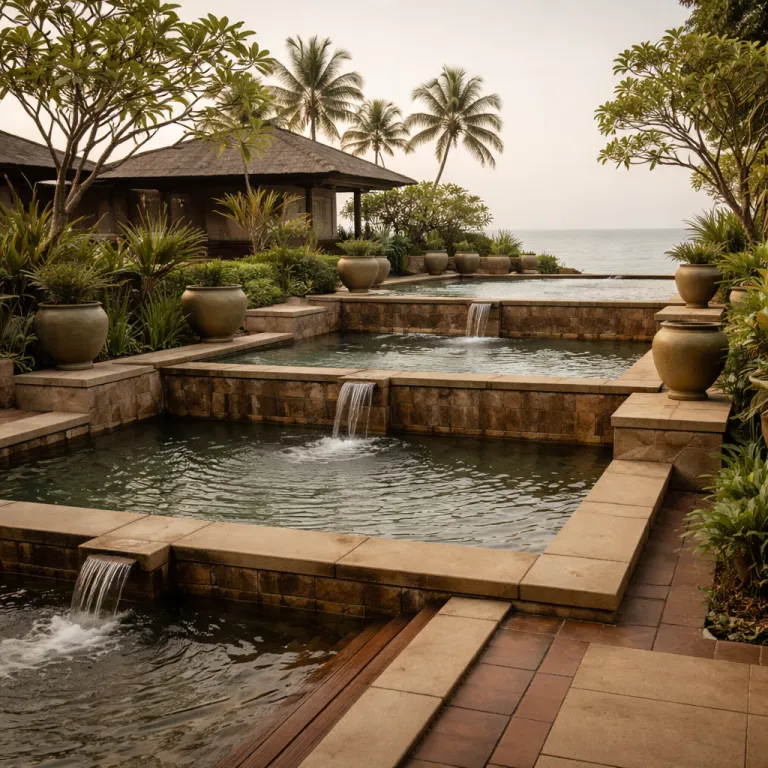
The new bali hydrotherapy spa tier: from jamu to jets
Bali has long promised healing through incense smoke, temple chants, and traditional Balinese jamu tonics. Now a new bali hydrotherapy spa tier is emerging, where hot and cold immersion, calibrated massage jets, and clinical style assessments sit beside flower baths and rice terraces. For couples choosing a luxury resort, the question is no longer just which pool has the best ocean views, but which hydro circuit genuinely supports the body.
Hydrotherapy uses controlled water pressure and temperature shifts to ease muscle tension, improve blood circulation, and support recovery after travel or strength training. Data from the Bali Tourism Board’s 2023 Wellness Visitor Snapshot notes that wellness motivated arrivals grew by around 14% year on year, and hydro facilities in Nusa Dua are expanding to meet that demand with state of the art suites, hydrotonic pools kept between 34°C and 36°C, and WATSU water sound therapy. This is where properties like The Mulia, The Apurva Kempinski, and REVĪVŌ Wellness Resort now compete, each positioning its spa Bali experience as a different kind of reset.
For couples planning a stay, understanding how a bali hydrotherapy spa circuit works is essential before you book a room or day pass. The right sequence through hot pools, cold plunges, and targeted massage jets can transform a pleasant spa visit into a full body treatment that continues working long after you leave the main pool. Think of it as designing your own wellness itinerary, where each station is as intentional as your choice of beach, yoga class, or sunset bar.
Inside the circuit: how a bali hydrotherapy spa actually works
A serious bali hydrotherapy spa circuit is not a random wander between pools and saunas. It is a carefully staged journey where water temperature, pressure, and timing are designed to move blood, release the neck and shoulders, and calm the nervous system in a predictable arc. When you understand that logic, you stop guessing and start using each station with purpose.
You usually begin warm, either in a hot vitality pool or aromatherapy steam, to dilate vessels and prepare the body for contrast therapy. Typical warm pools sit around 36–38°C for 10–15 minutes, followed by cooler plunge pools at roughly 12–18°C or ice fountains, where the sudden shift helps improve blood flow and tones the skin, before sending you back to medium temperature massage jets that work into calves, lower back, and upper spine. One dataset phrase captures the essence neatly: “Hydrotherapy involves the use of water for pain relief and treatment,” a definition echoed by physiotherapists who use similar protocols in clinical settings.
Most advanced spa offers in Bali now layer in extras such as chromotherapy chambers, open air relaxation decks, and quiet rooms where you can lie down between circuits for 10–20 minutes. Couples who train together in the fitness center or focus on strength training will feel the difference when hydrotherapy is used after a heavy session, especially for muscle tension in the legs and full body fatigue. As Dr. Ayu Lestari, a Bali based sports medicine specialist, notes, “Alternating warm and cold water can support circulation and perceived recovery, particularly when combined with rest and adequate hydration.” For a deeper primer on how jamu, boreh, and the new hydro tier sit together on a spa menu, read our guide to reading a Bali spa menu and understanding the hydro wellness tier.
Mulia versus Apurva versus REVĪVŌ: three very different waters
At Mulia Spa in Nusa Dua, the bali hydrotherapy spa story is unapologetically theatrical. The hydrotonic pool shimmers under soft lighting, with massage jets positioned at different heights so you can work calves, hips, and the neck and shoulders in sequence while looking out toward the Indian Ocean. Expect multiple stations with varying jet intensities, often accommodating 10–16 guests at a time, so you can move through the circuit without feeling rushed; it feels like a luxury cruise ship’s wellness deck, but anchored beside a tranquil sea instead of a busy port.
The Apurva Kempinski takes a more ceremonial approach, building multi day programmes around jamu, lulur scrubs, and carefully timed hydro sessions that frame each treatment. Here, the main pool and smaller vitality pools are integrated into a clifftop resort layout, so you move between treatment rooms, open air decks, and ocean views that sweep across the Indian Ocean while therapists track your progress and suggest how long to stay at each station. REVĪVŌ Wellness Resort, by contrast, leans into a clinical but gentle style, with a dedicated vitality clinic that measures sleep, stress, and recovery before prescribing a personalised hydro circuit that might include two daily rounds of 30–45 minutes.
For couples deciding where to stay, Mulia is better for those who want a glamorous beach resort with a dramatic spa Bali experience and a strong social scene. Apurva excels when you want ceremony, architecture, and a sense of traditional Balinese ritual wrapped around every spa offers menu, while REVĪVŌ is the quiet choice for guests who care more about data, longevity, and structured programmes than the size of the main pool. If you are curious how this Bali centric boom compares with Indonesia’s quieter wellness frontiers, our feature on Bawah Reserve’s first wellness programme shows how a remote island resort is answering Bali’s hydro trend with its own version of sea based calm.
From jamu and boreh to longevity labs: choosing your programme length
Hydrotherapy in Bali did not appear in a vacuum; it grew out of a long tradition of jamu herbal tonics, boreh spice pastes, and village healers who understood the body as a whole system. Places like Bagus Jati in Ubud and Como Shambhala Estate still lead with these traditional Balinese therapies, using herbal baths and river facing pavilions where water is present but not mechanised. For many couples, a single day in this kind of spa boutique environment, followed by a quiet evening in the room, is enough to reset after a long haul flight.
The new bali hydrotherapy spa tier asks you to think in programmes rather than isolated treatments, especially at properties like REVĪVŌ Wellness Resort and The Apurva Kempinski. A one day pass to a hydro circuit can be powerful for jet lag, easing muscle tension from travel and helping improve blood flow before you move on to beach time or yoga, but the real shifts in sleep, digestion, and stress usually appear after three to five days of consistent circuits lasting 60–90 minutes. That is when the combination of hot and cold water, targeted massage jets, and supportive nutrition starts to feel less like pampering and more like a structured health intervention.
Longevity clinics within these resorts now measure markers such as heart rate variability, body composition, and sometimes basic blood panels to tailor your schedule. Short stays work best for couples who want relaxation and a taste of the hydro experience before heading off to explore another island or a different resort, while five day or longer programmes suit those who see their Bali trip as a reset for the year ahead. As a rough guide, day access to a premium hydro circuit in Nusa Dua can start around IDR 900,000–1,500,000 per person, with multi day wellness packages priced higher but often including assessments and classes. For a broader view of how to align these stays with your budget, our guide to Indonesia luxury hotel promotions and exclusive offers explains when to book packages versus à la carte nights.
Practical booking intelligence: matching goals, maps, and the water itself
Choosing the right bali hydrotherapy spa property starts with being honest about your goals as a couple. If you want romance first and wellness second, a resort like The Mulia or The Apurva Kempinski, with a dramatic main pool, direct beach access, and multiple restaurants, will feel like a classic Bali escape with a sophisticated spa layered on top. If your priority is a quieter, retreat style experience where the fitness center, yoga shala, and hydro circuit are the main event, REVĪVŌ Wellness Resort or a hillside property near Ubud will serve you better.
When you study the resort layout, do more than glance at the brochure view map; look for how close your room category sits to the spa, the fitness center, and the sea or ocean facing decks where you will actually rest between sessions. A set secluded villa up the hill may sound romantic, but if you plan to move between hydro pools, strength training sessions, and yoga classes twice a day, those extra stairs or buggy rides can become tiring. Couples who value privacy often choose a room with partial ocean views but easy access to the spa boutique and hydro suites, trading a dramatic horizon for practical daily comfort.
Finally, pay attention to the water itself: temperature ranges, pressure of the massage jets, and whether there are open air zones where you can feel the breeze from the Indian Ocean or a more tranquil sea lagoon. Ask how long a typical circuit lasts, how many guests share the hydro pool at peak times, and whether therapists can adjust sequences for specific issues such as neck and shoulders strain or full body fatigue from long flights. The most rewarding experiences come when the mechanical precision of the bali hydrotherapy spa meets the softer side of Balinese hospitality, from the way staff remember your preferred water temperature to the small, special touches waiting back in your room.
FAQ
What is hydrotherapy and why is it popular in Bali ?
Hydrotherapy uses water temperature and pressure to support pain relief, circulation, and recovery, often through circuits of hot pools, cold plunges, and targeted jets. Bali is a natural fit because its spa culture already blends traditional Balinese healing, herbal medicine, and strong hospitality standards. As one expert definition states, “Hydrotherapy involves the use of water for pain relief and treatment,” a view reflected in clinical guidelines from physiotherapy associations that use similar aquatic techniques.
Are bali hydrotherapy spa treatments suitable for everyone ?
Most healthy adults can safely enjoy a bali hydrotherapy spa circuit, especially when they follow staff guidance on time limits and temperature changes. Guests with cardiovascular issues, pregnancy, or recent surgery should always consult a medical professional and inform the spa team before entering hot or very cold pools. Reputable resorts in Bali will adjust sequences, shorten exposure times, or suggest alternatives when hydrotherapy is not appropriate.
How long should I book for a meaningful hydrotherapy experience ?
A single day pass can ease jet lag, muscle tension, and travel fatigue, especially when combined with a full body massage or gentle yoga. For deeper benefits such as improved sleep, better stress management, and measurable changes in fitness recovery, three to five days of consistent hydro circuits usually work better. Longer programmes at wellness focused resorts can then build on this base with nutrition, strength training, and personalised assessments.
How do Mulia, Apurva, and REVĪVŌ differ for couples ?
Mulia suits couples who want a glamorous beach resort with a dramatic hydro pool and strong social energy. Apurva is ideal if you value architecture, ceremony, and traditional Balinese elements wrapped around your spa schedule, while REVĪVŌ is best for those seeking a quieter, retreat style stay with a strong focus on longevity and structured wellness. All three offer advanced hydrotherapy, but the atmosphere and daily rhythm feel very different.
Can I combine hydrotherapy with cultural experiences during my stay ?
Yes, and Bali is one of the easiest places to do so because temples, markets, and local warungs sit close to major resort zones like Nusa Dua and Ubud. Many couples schedule hydro circuits in the morning, then spend afternoons visiting nearby villages, beaches, or rice terraces before returning for an evening treatment. Booking spa sessions in advance gives you a clear framework, leaving the rest of the day free for spontaneous cultural detours.