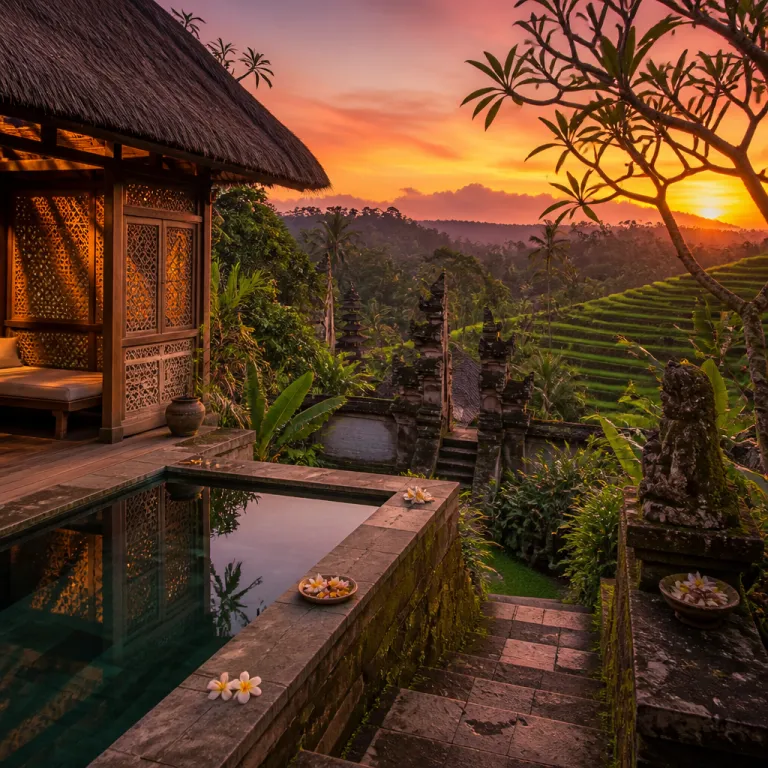
Section 1 – What to visit in Ubud Bali when you love culture and comfort
When you start planning what to visit in Ubud Bali, begin with the historic heart. The compact centre of Ubud in Bali combines royal heritage, sacred spaces, and refined cafés that suit guests staying in luxury and premium hotels. This is where you first feel how a Balinese town can be both spiritual and sophisticated.
The elegant façade of Ubud Palace (Puri Saren Agung) anchors the main street at the corner of Jalan Raya Ubud and Jalan Monkey Forest, and this palace remains a reference point for many guided walks. During the day, visit the palace courtyard to appreciate traditional carvings, then return at night for dance performances that turn Ubud art and music into a living stage. For travellers comparing top sights in Ubud, this palace is one of the best things to see within a short walk of many five star suites.
Just a few steps away, Saraswati temple offers a quieter atmosphere framed by a lotus pond and stone guardians. This temple is ideal when you want to visit a sacred place without leaving central Ubud Bali, and it pairs well with a refined coffee stop overlooking the water. Many guests ask what Ubud offers within walking distance, and this serene temple and palace duo answers that question beautifully.
Luxury concierges often suggest combining a morning palace visit with a curated stop at the nearby art market. The Ubud art market ranges from simple souvenirs to high quality textiles, and a private guide can help you distinguish mass produced items from collectible pieces. One concierge describes it as “the easiest way to see how traditional craft and modern design meet in a single street.” If you enjoy meaningful shopping, this is one of the things Ubud does especially well for culturally curious guests.
For travellers staying at premium properties slightly outside town, a private car makes it easy to visit Ubud highlights in a single day. Ask your hotel team to design a short tour that links the palace, Saraswati temple, and the art market with a leisurely lunch in a garden restaurant. This kind of tailored experience turns a simple walk into a curated introduction to what to visit in Ubud Bali, especially on your first full day in town.
Section 2 – Rice terraces, ridge walks, and the best time to enjoy Ubud’s landscapes
Many guests arrive wondering what to visit in Ubud Bali beyond the town centre, and the answer usually begins with rice terraces. North of Ubud, the famous Tegallalang rice terraces form sculpted curves of bright green that photograph beautifully from almost every angle. These rice fields are working landscapes, so a respectful visit lets you see how Balinese farmers manage water and rice in harmony.
For a more immersive experience, arrange a private guide through your hotel to walk between the rice terraces at quieter times of day. Early morning is often the best time, when the air is cooler and the light soft, while late afternoon offers golden tones and fewer day trip crowds. Ask your concierge to include both a panoramic viewpoint and a short rice terrace path so you can feel the texture of the earth beneath your feet.
Closer to town, the Campuhan Ridge walk offers a different kind of landscape, with a grassy ridge between two lush valleys. This ridge walk is one of the best things in Ubud Bali for guests who want gentle exercise without leaving paved paths too far behind. Start just after sunrise or before sunset to avoid the strongest sun, and carry water because there is little shade along the way.
Some luxury hotels now provide digital maps and curated playlists for self guided walks, reflecting the wider trend toward using digital guides for self paced tours. When you ask what Ubud can offer in terms of soft adventure, concierges often suggest pairing the Campuhan Ridge walk with a spa treatment back at your property. The contrast between a breezy ridge and a cool treatment room makes the experience feel complete.
If you are considering the rainy season, do not dismiss it too quickly for a stay in Ubud Bali. Showers can make the rice fields and rice terraces even more vivid, and many premium hotels offer attractive rates and quieter pools during these months, as explored in this perspective on how Bali’s rainy season elevates luxury stays and hidden island gems. With the right footwear and a flexible plan, you can still visit Ubud landscapes comfortably while enjoying more attentive service.
Section 3 – Sacred water, temples, and serene day trips from Ubud
Once you have explored the centre, the question of what to visit in Ubud Bali naturally expands to sacred water sites. Tirta Empul, one of the most important Balinese water temples, lies within easy driving distance and makes a rewarding half day trip. Here, crystal clear water feeds purification pools where worshippers line up to perform age old cleansing rituals.
Even if you choose not to enter the water, a respectful visit with a knowledgeable guide reveals how Balinese Hinduism weaves water, rice, and daily life together. Your hotel can arrange sarongs, temple offerings, and a private explanation so you understand each step of the ceremony and what it means. This kind of curated experience turns a simple temple visit into one of the most memorable things Ubud can offer spiritually minded travellers.
Another atmospheric site is Goa Gajah, often called the Elephant Cave, which combines a carved cave entrance, bathing pools, and moss covered stonework. The compact size makes it ideal for a short stop on a wider tour that might also include a waterfall or a nearby rice terrace. Ask your driver to time the visit early in the day to avoid the busiest tour groups and to enjoy cooler air among the trees.
Guests who enjoy architecture often add a water palace to their list of what to visit near Ubud Bali, even if it requires a longer drive. These historic water palaces combine pools, fountains, and pavilions, and they pair well with a leisurely lunch arranged by your hotel along the coast. For many luxury travellers, such a day trip balances cultural depth with the comfort of returning to a high end suite in the evening.
If you are also considering time by the sea before or after Ubud, it can be helpful to compare quiet coastal stays with inland retreats. For example, you might pair a few nights in Ubud with refined beachfront tranquillity, such as the atmosphere described in this guide to modern luxury stays along Bali’s quiet coast. Combining sacred water temples, a water palace, and a calm shoreline gives your Bali itinerary a satisfying rhythm.
Section 4 – Forests, waterfalls, and soft adventure around Ubud
For travellers who like gentle adventure, what to visit in Ubud Bali often starts with the Sacred Monkey Forest Sanctuary. This protected area lies at the southern edge of town and shelters more than a thousand long tailed macaques among towering trees and mossy temples. A visit here feels both playful and atmospheric, especially when morning mist lingers between the roots and stone bridges.
Because the monkeys are wild, it is wise to follow the posted guide rules and keep food out of sight at all times. Many luxury hotels arrange private transfers and briefings so guests understand what to expect in the monkey forest before they arrive at the entrance. One local guide likes to remind visitors, “If you do not show the monkeys your snacks, they will not show you their tricks,” a lighthearted way to encourage respectful behaviour.
Waterfalls near Ubud add another dimension to your stay, especially on warm days when you crave cool air and flowing water. Tegenungan waterfall, for example, lies within comfortable driving distance and offers a broad cascade framed by dense greenery and photo platforms. Arrive early in the day or close to sunset for the best light and fewer crowds, and wear shoes suitable for wet steps.
Some guests combine a waterfall stop with a visit to nearby rice fields or a lesser known temple, turning a simple outing into a varied day trip. Your hotel concierge or a trusted local tour operator can design a private tour that includes a waterfall, a scenic rice terrace, and a relaxed lunch overlooking a valley. This kind of tailored itinerary ensures you see the best things around Ubud Bali without feeling rushed between places.
For those seeking a more active excursion, Mount Batur often appears on lists of what to visit beyond Ubud Bali, especially for sunrise hikes. While the volcano is not in Ubud itself, many premium hotels can arrange early morning transfers, guides, and post hike breakfasts back at your property. Balancing a Mount Batur climb with a slower day by a pool or spa in Ubud keeps your overall experience both energising and restorative.
Section 5 – Hidden gems, local life, and refined ways to experience Ubud
Once you have seen the headline sights, the question shifts from what to visit in Ubud Bali to how to experience it more deeply. Hidden gems often lie just beyond the main roads, where small rice fields, family compounds, and shrines reveal everyday Balinese life. A private guide from your hotel can lead you along quiet lanes that most standard tours never reach.
One rewarding option is a gentle village walk that threads between rice terraces, small temples, and irrigation channels, with pauses to talk to local farmers. These walks show how rice, water, and ritual shape the landscape, and they often become guests’ favourite things in Ubud precisely because they feel unhurried. Ask your concierge to arrange a guide who can explain what you see in context, from offerings at crossroads to the layout of a family compound.
Art lovers can go beyond the central art market and explore smaller galleries that focus on contemporary Ubud art and sculpture. Many luxury properties maintain relationships with gallery owners and can arrange private viewings or introductions to artists working in and around Ubud Bali. This kind of curated access turns shopping into a cultural exchange rather than a simple transaction.
Food is another way to connect with local life, especially when you choose restaurants that highlight Balinese ingredients and rice grown in nearby fields. Some premium hotels offer cooking classes that begin with a market visit, followed by hands on preparation of dishes you can later recreate at home. These experiences answer the question of what Ubud offers beyond temples and rice fields by inviting you into kitchens and gardens.
When you are ready to expand your itinerary beyond Ubud, it helps to understand how different regions of Indonesia complement each other for luxury stays. For broader inspiration on where to go after Ubud Bali, consult curated overviews of Indonesia’s most captivating places of interest for luxury minded travelers. Linking Ubud’s hidden gems with other islands or coastal enclaves creates a layered journey rather than a single stop.
Section 6 – Matching Ubud’s highlights with luxury and premium hotel choices
Knowing what to visit in Ubud Bali is only half the equation for a refined trip. The other half lies in choosing a luxury or premium hotel whose location and services align with the things in Ubud you value most. A well chosen property can turn each temple, rice terrace, or waterfall into part of a seamless narrative rather than an isolated outing.
If you prioritise walking access to Ubud Palace, Saraswati temple, and the central art market, consider staying in or near the town centre. Here, you can step out for an evening performance at the palace, stroll to dinner, and return to your suite without needing a car at any time. This style of stay suits guests who like spontaneous visits to cafés, galleries, and the monkey forest during the day.
Travellers who care more about views of rice fields and quiet nights may prefer premium resorts on the outskirts of Ubud Bali. These properties often overlook rice terraces or river valleys and can arrange private transfers for every visit to town, a temple, or a waterfall. In such settings, the best things in Ubud include slow breakfasts, unhurried spa rituals, and sunset drinks after a ridge walk or day trip.
Families and small groups planning what Ubud can offer across several days might look for villas within larger luxury estates. This model combines private space with access to concierges who can coordinate guides, transport, and restaurant reservations for each visit Ubud activity. It also simplifies logistics for early departures to Mount Batur or longer drives to a water palace or coastal restaurant.
According to regional tourism data, “Annual Visitors to Ubud” reach about 3,000,000 people, which means advance planning is essential for a calm experience. To decide the best time for your stay, remember the expert advice that “The dry season from April to October is ideal.” With that in mind, align your hotel choice, day trip plans, and personal pace so that every temple, rice terrace, and art filled palace visit feels both luxurious and unhurried.
Key statistics for planning an Ubud stay
- Ubud welcomes around 3,000,000 visitors each year, according to the Bali Tourism Board, so booking luxury and premium hotels and private guides well in advance is recommended for peak comfort.
- The dry season from April to October is considered the best time to visit Ubud for outdoor activities such as the Campuhan Ridge walk, Tegallalang rice terraces, and waterfall excursions, because rainfall is lower and paths are less slippery.
- Popular attractions such as the Sacred Monkey Forest Sanctuary, Tegalalang rice terraces, and Tirta Empul temple operate year round, but early morning and late afternoon visits typically offer fewer crowds and more pleasant temperatures.
- Most major cultural and natural sites around Ubud charge modest entrance fees, which helps fund maintenance of temples, rice fields, and forest paths that form the core of many luxury day trips.
FAQ about what to visit in Ubud Bali
What is the best time to visit Ubud for sightseeing ?
The dry season from April to October is ideal for sightseeing in and around Ubud. During these months, paths around rice terraces, temples, and waterfalls are usually drier and more comfortable. Luxury and premium hotels also tend to schedule more outdoor experiences and ridge walks at this time.
Are there entrance fees for main attractions in Ubud ?
Yes, most key attractions such as the Sacred Monkey Forest Sanctuary, Tegalalang rice terraces, Tirta Empul, and Goa Gajah charge small entrance fees. These fees support site maintenance, local staff, and conservation efforts. Your hotel or guide can advise on current prices and whether cash is required.
Is Ubud suitable for family travel with children ?
Absolutely, Ubud offers activities for all ages, from gentle walks in rice fields to visits to the monkey forest and family friendly art workshops. Many premium hotels provide spacious suites, pools, and flexible dining that work well for families. Private drivers and guides also make it easier to tailor day trips to children’s energy levels.
How many days should I plan in Ubud to see the main sights ?
A stay of three to five nights allows time to visit Ubud Palace, Saraswati temple, the art market, the monkey forest, and at least one rice terrace and waterfall. With five nights or more, you can add Tirta Empul, Goa Gajah, a water palace, or even a Mount Batur sunrise hike. Luxury travellers often extend their stay to enjoy slower mornings and spa time between excursions.
What is the best way to get around Ubud for day trips ?
The most comfortable option for luxury and premium travellers is a private car with driver arranged through your hotel. This allows flexible timing for temple visits, waterfall stops, and ridge walks without worrying about parking or navigation. For short distances within town, walking and hotel shuttles usually work well.