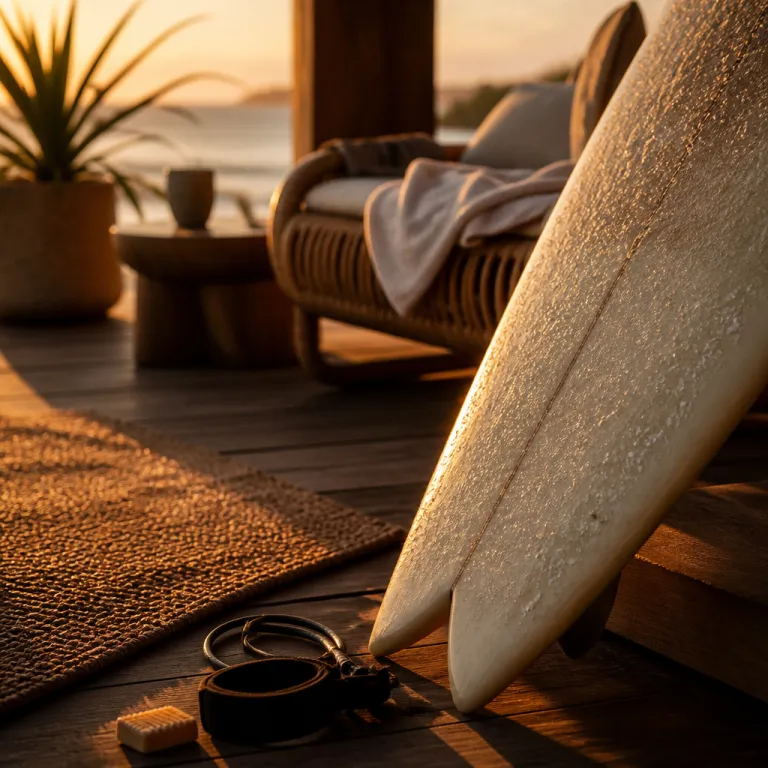
Luxury surf travel guide to the Telo Islands in Indonesia
Why the Telo Islands belong on your luxury Indonesia short list
The Telo Islands sit off the west coast of North Sumatra, forming part of Indonesia’s Batu Islands chain in the Indian Ocean. Depending on how you count the smaller islets, regional mapping sources and the Indonesian Hydro-Oceanographic Office list between 40 and 60 named islands in the group, with many operators referring to “around 50 Telo Islands” in their surf guides. This remote arc has a quietly luxurious atmosphere and has become a discreet favourite for travellers who want world class surf with refined comfort, far from crowded waves and noisy party strips. Many guests pair a stay on a single Telo island with other premium destinations in Indonesia, using it as the relaxed finale to a longer trip.
Reaching the main Telo Islands usually involves an international flight into Jakarta or Bali, a domestic connection to Padang in West Sumatra, and then a ferry or private boat transfer arranged by surf resorts or island lodges. Depending on schedules, the final sea leg can take two to four hours by speed boat, so travel days are longer than for Bali. The reward is a sense of seclusion that feels rare in modern Asia and particularly appealing for families or couples seeking calm. Local inhabitants in each village remain central to daily life, and responsible operators work closely with them to ensure that tourism supports the community rather than overwhelming it.
Surf tourism here developed only in recent decades, with early charter boats exploring the region in the 1990s and land based surf camps following later. As a result, you still find uncrowded lineups and a relaxed island surf rhythm compared with more famous Indonesian surf zones. Operators and local partners aim to promote tourism, support the regional economy, and preserve the natural beauty that makes Telo surfing so special. Growing interest in eco conscious surf camps and low impact island lodges is gradually improving infrastructure, while charter boats and speed boats make inter island transfers smoother for luxury travellers. As one long time boat captain explained to a recent guest, “the Telos still feel like a frontier, but with just enough comfort to make it easy to stay a while.”
Choosing the right surf resort, island lodge, or surf house
Accommodation on the Telo Islands ranges from intimate surf houses to full service surf resorts with polished hospitality. Well known examples include South Telo Island Lodge, Pinnacles on Telo, and Telo Island Lodge, each offering slightly different levels of privacy and service. Many properties sit directly in front of consistent waves, giving you a near perfect view of the reef and the surrounding Telo surf breaks. When you compare prices, look beyond the nightly rate and check what is included in the package for your trip.
High end surf camps and each island lodge typically bundle accommodation, meals, boat transfers to nearby waves, and sometimes guided surfing for confident intermediate guests. A well run surf camp or surf house will also include unlimited tea and coffee, filtered water, and snacks, which can make a real difference on long surfing days. For a deeper understanding of how to interpret inclusions, amenities, and room categories, it is worth reading a specialist guide on reading a property sheet like a concierge, then applying those principles when you review each Telo surf resort or charter boat.
Room categories often feature king size beds, private decks, and outdoor showers, especially in newer surf resorts that cater to couples and family friendly groups. Some surf camps offer multi room houses that work well for a larger family, with separate sleeping areas and shared lounges. When you evaluate surf resorts or surf camps, ask how many guests they host at one time, because smaller guest numbers usually mean quieter waves and more personalised service, as well as more flexible boat schedules. Many operators cap capacity at 8 to 16 surfers per trip, a practical figure that balances atmosphere, safety, and access to nearby Telo surf breaks.
Understanding the Telo Islands surf seasons, waves, and skill levels
The Telo Islands enjoy a long surf season, with consistent waves for roughly eight months each year. According to regional operators and surf travel agencies, “April to November offers consistent surf conditions” across the chain. This extended window allows you to plan a trip in Apr, May, or Jun depending on your preferred swell size and crowd levels, and to avoid the heaviest monsoon periods.
During peak months, powerful swells wrap around each Telo island and create a mix of right and left reef breaks suitable for confident intermediate and advanced surfers. Shoulder seasons at the start of Apr or the end of Nov tend to bring mellower waves that are more forgiving for families or less experienced guests. Local surf guides working for surf resorts and charter boats know which island surf spots suit beginners, and which heavier waves are better left to advanced surfers who are comfortable on shallow reef.
Many travellers combine a stay on the Telo Islands with other Indonesian marine destinations that also reward careful timing. For example, those interested in seasonal marine life sometimes read about the plankton bloom via a specialist feature on Raja Ampat in June before planning their wider itinerary. In the same way, planning Telo surfing around swell forecasts and wind patterns can significantly improve your experience, especially if you are booking a charter boat or a land based surf camp and want to maximise time at the best quality waves. Checking historical swell data and sunrise times for your target month can also help you decide how many dawn patrol sessions you realistically want to fit into a single trip.
Boat logistics, charter options, and moving between the Telos
Once you arrive in Sumatra, the final leg to the Telo Islands usually involves a ferry or a smaller boat. Many luxury surf resorts operate their own speed boats to collect guests from the mainland and transfer them directly to the chosen island lodge or surf house. These speed boats are often enclosed and comfortable, which matters on longer crossings with a family or older travellers, and reputable operators follow Indonesian maritime safety regulations on life jackets and radio equipment.
For guests who want maximum flexibility, a private charter boat or a small fleet of charter boats can be arranged through specialist operators. A well equipped charter boat typically includes air conditioned cabins, a professional crew, and a tender for quick access to nearby waves and remote village landings. When comparing prices for different charter options, consider not only the base price per night but also fuel surcharges, surf guide fees, and any premium charged for shorter trips of only a few days, as these extras can significantly change the final cost.
Some travellers prefer to base themselves at a fixed surf camp or surf house and then use day boats to reach surrounding Telo surf breaks. Others choose a hybrid model, spending several nights at a land based island lodge before boarding a charter boat to explore more distant parts of the Telos. Whatever you choose, confirm safety standards, life jacket availability, and communication equipment on all speed boats and charter boats, especially if you are travelling with children or visiting during the shoulder season when weather can change quickly. A simple checklist covering radio channels, first aid kits, and emergency contact numbers can make pre departure briefings faster and more reassuring.
Designing a Telo Islands itinerary for couples, families, and surf focused groups
Planning the right number of days and nights on the Telo Islands depends on your travel style. Serious surf travellers often stay ten to fourteen nights to maximise time in the water and adapt to changing waves. Families or mixed ability groups might opt for seven to ten days, balancing surfing with rest, snorkelling, and cultural visits to a local village or nearby uninhabited island.
For couples, a secluded island lodge or a low key surf house with only a handful of rooms can feel very private. Look for properties that highlight a perfect view from each room, king size beds, and thoughtful touches such as in room tea and coffee and flexible meal times. Many surf resorts now position themselves as family friendly, offering gentle lagoon areas for children, non surfing excursions, and staff trained to support guests of all ages, from young children to older parents.
Groups of friends focused on Telo surfing often choose surf camps that cater specifically to intermediate and advanced surfers. These surf camps may run structured boat schedules, with early morning departures to nearby island surf breaks and optional afternoon sessions at a left or right hander closer to camp. When you book, clarify whether your package includes unlimited boat transfers, or whether extra trips to more distant Telo surf spots will incur additional prices, as this can influence how often you explore outer reefs. Asking for a sample weekly schedule in advance can also reveal how much flexibility you will have to chase changing swell directions or wind shifts.
Responsible luxury: supporting local communities and preserving the Telos
Luxury travel on the Telo Islands increasingly emphasises low impact stays that respect the environment and the local inhabitants. Many surf resorts and surf camps employ staff from the nearest village, source seafood locally, and support community projects such as school repairs or waste management. This approach helps ensure that growing surf tourism translates into tangible benefits for residents rather than simply higher prices for land or pressure on coastal resources.
Eco conscious island lodges often limit guest numbers, treat wastewater carefully, and reduce single use plastics by offering refillable bottles and complimentary tea and coffee in reusable containers. Guests can contribute by bringing reef safe sunscreen, using mosquito repellent instead of coils where possible, and respecting local customs when visiting a house or community event. Internet access can be limited on some Telo islands, so downloading maps and entertainment before your trip is wise, especially for a family with children who may want offline games or films.
When you compare different surf resorts, pay attention to how transparently they communicate about conservation, community partnerships, and the real price of their operations. Some operators publish clear data on energy use or reef monitoring, while others focus on education through in house talks and guided village visits. For travellers who value refined experiences with a sense of place, choosing Telo surf properties that balance comfort with responsibility will make each stay feel more meaningful and help protect the islands for future visitors. Asking specific questions about staff training, waste disposal, and reef safe boat anchoring can also highlight which operators are genuinely committed to long term stewardship.
Pairing the Telo Islands with other Indonesian luxury destinations
Many high end travellers weave the Telo Islands into a broader Indonesian journey that might include Bali, Lombok, or Raja Ampat. A popular pattern is to begin with cultural immersion and dining in a major hub, then finish with several quiet nights on a Telo island for rest and surfing. This sequencing allows you to adjust to the climate and time zone before committing to more remote Telo surfing locations and longer boat transfers.
For those drawn to distinctive coastal landscapes, combining a Telo Islands surf stay with a refined beach escape elsewhere in the archipelago can be rewarding. One example is planning a contrasting stop at a soft sand shoreline, using a specialist feature such as a refined guide to Pink Beach in Lombok for luxury minded travellers as inspiration. In this way, you can experience both the raw island surf energy of Telo surf breaks and the gentler swimming beaches that suit a wider family group or non surfing partner.
Whatever combination you choose, work with a trusted agent or a direct booking platform that understands the nuances of Indonesian domestic flights, ferry schedules, and seasonal weather. Aligning your Apr or Jun travel dates with both surf forecasts and cultural events can elevate the entire trip. With thoughtful planning, the Telo Islands become not just a surf destination but a sophisticated anchor point in a wider Indonesian itinerary that blends adventure with comfort. Keeping a simple shared itinerary document with flight numbers, boat departure times, and emergency contacts can also make multi stop journeys feel calmer and more organised.
Key figures and practical statistics for planning a Telo Islands stay
- The Telo Islands are generally described by regional resort operators and surf travel companies as comprising “around 50 islands” in North Sumatra, giving travellers a wide choice of surf breaks and accommodation styles across the archipelago (based on summaries from World Surfaris and South Telo Island Lodge, which both reference Indonesian nautical charts and local administrative data).
- The main surf season lasts around eight months, from roughly April to November, which significantly extends the window for planning a surf focused holiday compared with many other destinations in Indonesia (information from specialist surf travel agencies and resort surf reports that track swell consistency and wind patterns).
- Access typically involves at least two travel legs, with one domestic flight to Sumatra and one ferry or speed boat transfer, so travellers should allow a full day each way in their itinerary for international connections (based on common routing patterns reported by Indonesian tour operators and airline schedules, which show limited same day connections in and out of Padang).
- Surf tourism has grown steadily over recent decades, leading to the development of multiple surf resorts and surf camps that now provide structured employment for local inhabitants in several villages (reported by regional tourism boards, resort associations, and operator sustainability statements that track staff numbers and training programmes).
Frequently asked questions about the Telo Islands
What is the best time to visit the Telo Islands for surfing ?
For consistent waves, the prime period runs from April to November, when swell and wind patterns align favourably across the Telos. During these months, both intermediate and advanced surfers find reliable conditions. Shoulder periods at the start and end of the season can offer smaller, more manageable surf for mixed ability groups and families.
How do I get to the Telo Islands from abroad ?
Most international travellers fly into a major Indonesian hub such as Jakarta or Bali, then connect to a domestic flight to Sumatra, usually Padang. From there, resorts or operators arrange a ferry, speed boat, or private charter boat to your chosen Telo island. Because connections can be tight, it is wise to schedule at least one buffer night on the mainland each way to reduce stress and protect against delays.
Are the Telo Islands suitable for beginner surfers and families ?
Yes, several areas around the Telo Islands offer gentler reef or beach breaks that suit beginners and family friendly groups. Many surf resorts and surf camps provide coaching, soft boards, and protected lagoons where children can play safely. When booking, specify your skill level and ask the property to recommend the most appropriate waves and seasons for your group.
What should I pack for a luxury stay on the Telos ?
Pack lightweight tropical clothing, reef safe sunscreen, a hat, and strong mosquito repellent, as the islands are humid and remote. High end properties usually supply quality linens, tea and coffee in room, and sometimes surfboards, but serious surfers often bring their own quiver. Because internet access can be limited, download reading material and entertainment before departure so you have offline options during quieter hours.
How does tourism impact local communities in the Telo Islands ?
Surf tourism provides employment in surf resorts, surf camps, and charter boats, supporting local inhabitants through jobs in hospitality, guiding, and boat operations. Responsible operators also invest in village projects, waste management, and education initiatives. When choosing where to stay, look for transparent information about community partnerships and environmental practices, and consider contributing to on the ground programmes during your visit.
References
- World Surfaris – Telo Islands surf guide and regional surf season summaries, including typical swell windows and wave height ranges.
- South Telo Island Lodge – regional information about the Telo Islands and access logistics, with sample travel times and boat transfer details.
- Indonesian Ministry of Tourism and Creative Economy – data on North Sumatra tourism development and transport infrastructure, including airport capacity and ferry routes.