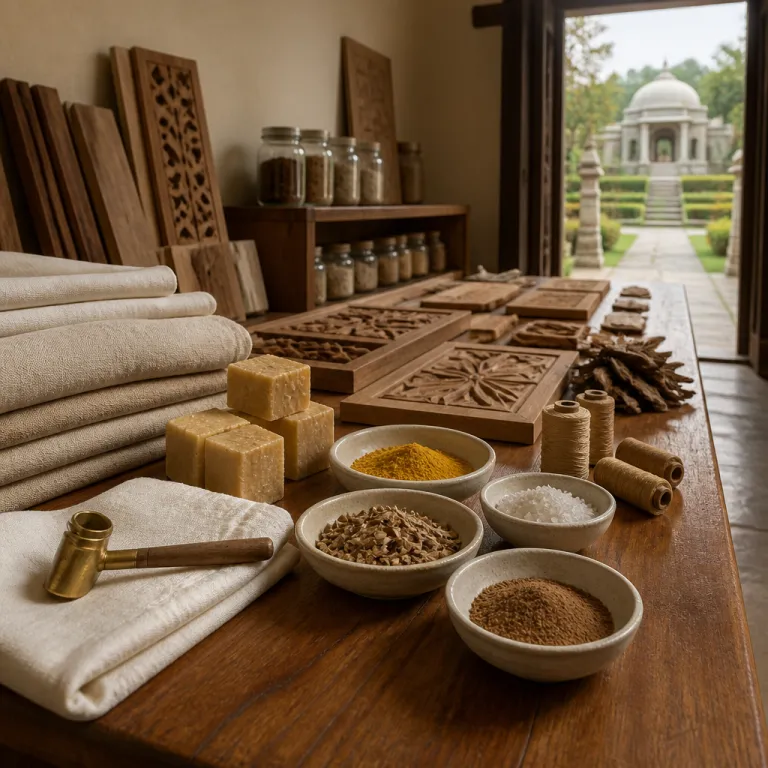
Why yogyakarta luxury travel belongs on every Bali itinerary
Yogyakarta sits in the heart of Java and feels like Indonesia’s cultural engine. The city balances living royal courts, active batik ateliers, and access to monumental temples in a way that makes even seasoned tourists pause and recalibrate their travel priorities. For a Bali anchored trip, adding four nights here turns a pleasant island holiday into a deeper journey through Indonesian heritage, refined hospitality, and a different side of Indonesian luxury travel.
Think of a Yogyakarta city stay as a counterpoint to beachfront villas and air perfumed spa pavilions. Instead of another infinity pool, you gain sunrise at Borobudur, privately guided access to Prambanan’s inner courtyards, and evenings in a hotel where Javanese court traditions shape the service choreography. The best itineraries use the city as a cultural base, then swing out across central Java to explore temples, royal houses, and countryside in unhurried hours that feel a world away from Bali’s coastal rhythm.
There is also a practical argument for this detour that goes beyond romance. Yogyakarta International Airport connects smoothly with Bali, and the short flight time of around one hour makes the transfer feel easy even for solo travelers carrying camera gear and batik finds. With tourism numbers rising steadily in the region each year, premium properties now understand that discerning guests want both traditional experiences and seamless logistics when they book a luxury stay, from airport air conditioning to flexible check in times.
Four day template for yogyakarta luxury travel around borobudur and Prambanan
Day one begins in the city, ideally at Royal Ambarrukmo Yogyakarta, a five star hotel that folds royal heritage into contemporary comfort. After you check in and book a late afternoon spa slot, use the remaining hours to walk the Kraton Yogyakarta precinct, then continue to the nearby train station district for a first look at everyday Java life. Dinner at Bale Raos introduces refined royal recipes, from delicate gudeg to carefully spiced game dishes that reinterpret traditional flavors for modern palates.
On day two, shift the focus of your Yogyakarta itinerary to batik and contemporary art. Spend the morning in a batik workshop, where artisans explain waxing techniques and natural dyes while you try your hand on a small cloth that you can take home as a complimentary keepsake. In the afternoon, head to Jalan Tirtodipuran to explore galleries and cafés, then compare this urban creativity with coastal sophistication in other Indonesian islands to understand how different regions interpret luxury and what feels like the best fit for your own travel style.
Day three belongs to Borobudur and Amanjiwo, the de facto luxury base for this temple landscape. Arrive before dawn to redeem your pre booked ticket, ideally in the first entry window, then climb the stone terraces as the first light reveals central Java’s volcanic ring and the cool morning air lifts from the fields. After a late breakfast back at the resort, spend time by the pool or in the library, then join an evening cultural program that might include Javanese music, storytelling, or a quiet walk through nearby villages that lets you see how local life unfolds beyond the main temples.
Royal houses, protocol, and staying in living Javanese history
Yogyakarta is one of the few Indonesian cities where royal houses still shape daily life. The Kraton Yogyakarta and the smaller Kraton Pakualaman remain active courts, and visiting them is essential for any serious cultural itinerary in this part of Java. When you step through their gates, you are entering working palaces rather than static museums, so protocol matters and a respectful attitude is as important as your ticket.
Dress with respect, covering shoulders and knees, and move slowly through the pendopo pavilions where court musicians rehearse and royal guards stand watch for hours at a time. Photography is usually allowed, but some inner areas are restricted, and a good local guide will help you find the best vantage points without intruding on ceremonies. To prepare, read a concise briefing on etiquette and layout, similar to how you would study a hotel guide to Indonesia that teaches you to read a property sheet like a concierge, then confirm current rules with your guide on the day.
Royal Ambarrukmo Yogyakarta offers a different angle on this heritage, blending palace grounds with a modern hotel tower. Guests can join curated walks through the former royal gardens, then return to suites where air conditioning, high thread count linens, and attentive butler style service keep the experience firmly in the luxury realm. This combination of traditional context and contemporary comfort is what makes the city such a good complement to Bali’s beachfront escapes and helps many travelers feel they have seen more of Indonesia than just one island.
Batik ateliers, dining, and the artful side of the city
For many travelers, the most memorable hours in Yogyakarta unfold not at the big temples but in intimate batik ateliers. Workshops range from historic houses associated with respected masters such as Go Tik Swan Hardjonagoro (often cited in Indonesian batik histories) to contemporary studios experimenting with abstract motifs and natural dyes. Serious cultural travel in Yogyakarta should always include at least half a day moving between these spaces with a knowledgeable guide who can explain technique, symbolism, and pricing so you can find pieces that match your taste and budget.
Most ateliers welcome visitors to observe the process for free, though paying for a short class or a small piece is a good way to support the artisans. You will see wax applied with canting pens, cloth dipped in indigo vats, and patterns that reference both royal courts and everyday Javanese life. When you book a private session, ask your hotel concierge to arrange transport and to confirm opening hours, since some family run studios close unexpectedly for ceremonies or rest days, and travel time between neighborhoods can stretch if rain slows city traffic.
Dining in the city rewards curiosity as much as budget. Bale Raos offers refined royal dishes inside the Kraton orbit, while Mediterranea by Kamil serves consistently good European leaning plates that appeal when you need a break from spice. Between these anchors, seek out warung level spots recommended by your hotel team, then compare the experience with elegant coastal resorts elsewhere in Indonesia to understand how Indonesian culinary luxury shifts from coast to court and how both settings interpret what feels special.
Logistics, climate window, and how to book smart
Getting the logistics right turns a Yogyakarta side trip from an ambitious idea into a smooth reality. Yogyakarta International Airport sits about an hour from the city by car, and most high end hotels can arrange private transfers with chilled air conditioned vehicles and English speaking drivers. If you prefer overland routes, the train station connects Yogyakarta with other parts of Java, and executive class carriages offer a comfortable way to travel between major hubs while watching rice fields and small stations slide past your window.
The best time to visit is the dry season, May to September. During these months, skies are clearer for Borobudur sunrise, and the air feels less heavy during long walks through temple complexes and palace courtyards. As one local guideline puts it, “What is the best time to visit Yogyakarta? Dry season, May to September,” though shoulder months can also be good if you prefer fewer tourists and do not mind a brief afternoon shower.
High demand around holidays means you should always book early, especially for Amanjiwo and Royal Ambarrukmo Yogyakarta. Secure your hotel first, then arrange your Borobudur and Prambanan ticket allocations, followed by internal flights or train seats. A simple checklist helps: book your preferred room category, confirm private guides for at least one temple day, and leave a free day to explore the city at your own pace without fixed appointments so you can follow last minute recommendations from staff or fellow travelers.
Frequently asked questions about yogyakarta luxury travel
Is Amanjiwo suitable for families or mainly for couples ?
Amanjiwo is well suited to both couples and families who value space and privacy. The resort offers family friendly amenities, flexible dining, and tailored excursions that work for different age groups. Its location near Borobudur also makes it easy to plan shorter temple visits that fit children’s attention spans and avoid the hottest hours of the day.
How many days should I spend in Yogyakarta for a luxury focused trip ?
Four nights is the sweet spot for most luxury travelers. This allows one full day for Borobudur and Amanjiwo, one for Prambanan and the royal houses, and one for batik ateliers and the art scene. Solo explorers with more time can comfortably extend to six nights without running out of meaningful experiences, especially if they enjoy slow city walks and time in hotel pools or libraries.
Are batik workshops in Yogyakarta suitable for beginners ?
Most batik ateliers in the city are very welcoming to beginners. They usually start with a short explanation of motifs and tools, then guide you through drawing a simple pattern and applying wax before dyeing. Sessions typically last two to three hours and can be arranged privately through your hotel, which also helps you find studios that match your interests.
Do I need a guide to visit Borobudur and Prambanan ?
You can visit both temples independently, but a good guide adds significant value. They help you read the reliefs, navigate quieter corners, and manage timing around crowds and heat. For a premium experience, ask your hotel to arrange a vetted guide who understands both history and photography needs and can advise on the best time of day for softer light.
Is Yogyakarta safe for solo luxury travelers ?
The city is generally considered safe for solo visitors, including those staying in high end hotels. Standard urban precautions apply, but violent crime against tourists is rare in central areas. Using hotel arranged transport and reputable guides further enhances comfort and security, especially at night or when returning from temples after early morning or evening visits.