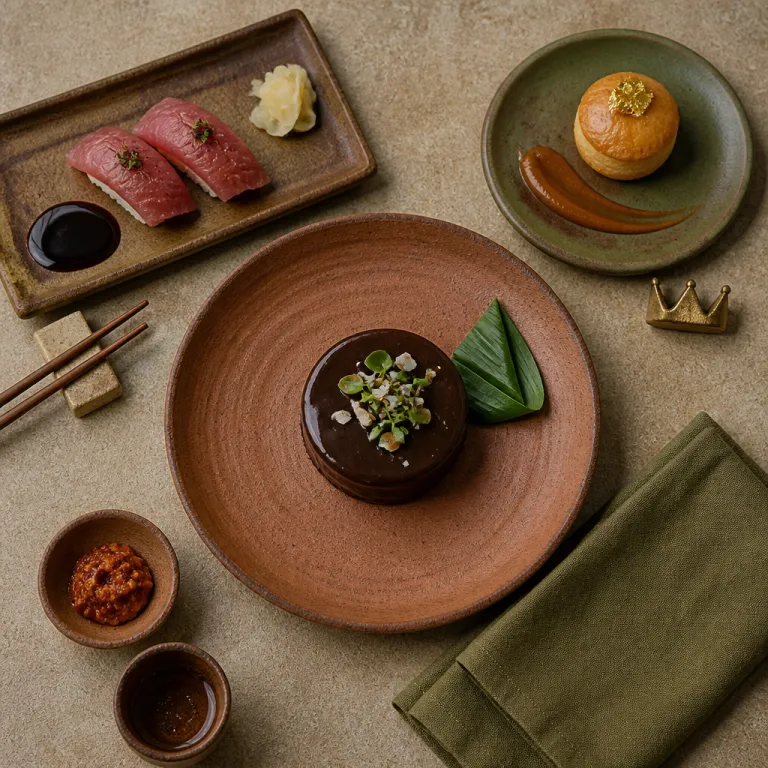
Indonesia hotel restaurants luxury: when the table becomes the destination
In Indonesia, luxury hotel restaurants are finally earning the word “destination.” For couples planning high-end travel across this vibrant archipelago, the question is no longer which hotels to book but which dining rooms justify a flight on their own. The most serious hotel restaurants now operate as a curated collection of culinary spaces where the chef, the island, and the property align.
Across Bali, Jakarta, and quieter islands, a handful of hotels and resorts have built restaurants that stand apart from the rooms. These dining rooms attract guests from other hotels and resorts, from other islands, and sometimes from other continents, reshaping how discerning travelers plan their itineraries in Indonesia. The result is a new hierarchy where a single restaurant can anchor an entire trip, while the hotel becomes the supporting act rather than the headline.
For couples who care about fine dining as much as the infinity pool, this shift matters. When you book a hotel in Bali or Jakarta, Indonesia now, you are often booking into a culinary point of view, not just a room category or a resort layout. The smartest travelers treat these properties as a loose luxury collection of destination restaurants, moving between them the way others move between islands.
Imamura at Kimpton Bali Ubud: the new benchmark for destination dining
IMAMURA at Kimpton Naranta Bali, near Nusa Dua, is the clearest example of a hotel restaurant built as a destination first and a resort amenity second. Positioned from opening in late 2022 as a dining destination, it signaled that Bali could host a Japanese omakase counter with the same ambition as leading hotels in the wider Asia Pacific region. The chef’s pedigree in kaiseki-style cooking and the tightly edited tasting menus place it in the same mental collection as serious restaurants in the United States or Europe, not just another Bali resort dining room.
The room itself is intimate rather than showy, with the surrounding tropical gardens doing the visual work while the kitchen focuses on detail. Here, Indonesian seafood and seasonal produce meet a refined, almost Japanese sense of restraint, creating a style of fine dining that feels both local and globally literate. One couple described the experience as “like watching a tea ceremony unfold on the plate,” a quiet dialogue between the morning offering the housekeeper leaves at your door and the precise composition in front of you at night.
For couples planning luxury travel, the practical question is how to book. In peak dry season, secure a counter seat at least four weeks ahead, especially if you are not staying at the hotel or sister luxury properties nearby. Shoulder months are more forgiving, but a two week booking window still makes sense if you want prime seating and time to pair your dinner with a longer stay in this part of Indonesia; expect tasting menus to sit roughly in the IDR 1,800,000–2,500,000 range per person before drinks, in the upper mid-range of Bali fine dining pricing.
The Crown by Kirk Westaway at Fairmont Jakarta: when Singapore precision lands in the capital
The Crown by Kirk Westaway at Fairmont Jakarta sits on the twenty-second floor, looking out over Jakarta, Indonesia with a confidence that feels imported yet increasingly authentic. When a Singapore-based, two-Michelin-starred chef like Westaway brings his name to Jakarta, the city’s hotel dining scene shifts from safe corporate to something closer to a modern luxury collection of urban restaurants. The room attracts not only hotel guests but also residents who might usually fly to Singapore for a special occasion meal.
The menu leans into produce-driven, technically precise plates, translating the chef’s background in modern British cuisine into an Indonesian context without losing its European backbone. Couples who care about Indonesia hotel restaurants luxury experiences will notice how the service choreography, wine list, and pacing feel closer to leading hotels in the Asia Pacific region than to traditional Jakarta hotel restaurants. It is a restaurant that finally gives the capital a seat at the same table as Bali’s most ambitious dining rooms, with typical tasting menus priced around IDR 1,600,000–2,300,000 per person, in line with other top-tier city restaurants.
Booking strategy here is different from resort-focused Bali, because Jakarta’s business rhythm shapes demand. Weeknight dinners fill quickly with corporate reservations, so plan to book at least two weeks ahead if you want a window table and a slower, more romantic pace. For weekend stays at city hotels or collection hotels across the central business district, a one week window can still work, but last-minute walk-ins rarely secure the best seats.
Where this restaurant really shines is as a pairing with a short urban stay before or after island time. Use a night at Fairmont or another central collection hotel as a soft landing after long-haul flights from the United States or Europe, then fly onward to Bali, Lombok, or Raja Ampat using tools such as Indonesia’s national diving directory, highlighted in our guide to the new booking tool for Raja Ampat travelers. In that rhythm, The Crown becomes both a palate reset and a statement that Jakarta belongs on any serious Indonesia luxury travel itinerary.
Mozaic, Aperitif, and the enduring gravity of Ubud’s fine dining cluster
Mozaic in Ubud has long been the reference point for fine dining in Bali, and its continued relevance matters for any ranking of Indonesia hotel restaurants luxury experiences. While Mozaic is not inside a hotel, it functions as the gravitational center that nearby hotels and resorts quietly orbit. Couples staying at Mandapa, a Ritz-Carlton Reserve, at independent villas, or at other collection hotels in the area often plan their entire Ubud, Bali stay around a Mozaic reservation.
After more than two decades, the restaurant still treats Indonesian ingredients with a seriousness that feels almost academic yet never joyless. Tasting menus move from spice garden to sea, showing why Mozaic remains part of any mental luxury map of Asia Pacific dining, even as new players arrive. It has been recognized in regional guides and international lists, underlining that this is not nostalgia but current relevance; expect multi-course menus typically in the IDR 1,400,000–2,000,000 bracket per person, with optional wine pairings that reward curious palates.
Nearby, Aperitif at Viceroy Bali has joined Tatler’s list of the best restaurants in Indonesia, reinforcing Ubud’s position as the island’s fine dining cluster. The restaurant’s grand dining room and theatrical plating contrast with Mozaic’s garden intimacy, giving couples two distinct reasons to book multiple nights in central Bali. During peak holiday periods, secure Mozaic and Aperitif at least three weeks ahead, then layer in hotel choices using our region-by-region hierarchy for first-time luxury travelers in Indonesia to match each restaurant with the right property style.
How to pair hotel stays with destination restaurants across Indonesia
Planning Indonesia hotel restaurants luxury trips now means pairing specific dining rooms with specific properties rather than chasing generic five-star labels. Think in terms of a personal collection of stays and meals, where each hotel and restaurant combination tells a different story about the island or city. For couples, this approach turns a simple holiday into a curated progression of tastes and textures.
One reliable pairing routine starts with a night or two in Jakarta, anchored by The Crown at Fairmont and perhaps a second dinner at another serious hotel restaurant in the city’s emerging collection hotels scene. From there, fly to Bali and split your time between Ubud and the coast, using IMAMURA and Aperitif as your upland anchors and a coastal resort restaurant as your sea-facing counterpoint. If you have longer, add a side trip to Bali’s Lombok neighbor, using our guide to an elegant escape to Pink Beach on Lombok island for luxury-minded travelers as a template for combining reef time with serious dining back on Bali.
Across these moves, pay attention to how each property expresses something authentic about its setting. A Mandapa Ritz-style resort in Ubud will frame rice terraces and ceremony, while a coastal resort on another island might lean into reef and horizon instead. The aim is to build your own quiet luxury collection, where hotels, resorts, and restaurants work together rather than compete for your attention.
What we skip: over marketed hotel restaurants that do not earn the flight
A ranking of Indonesia hotel restaurants luxury experiences is only credible if it also names what does not make the cut. Across Bali and Jakarta, several hotel restaurants generate constant news and social media attention without delivering food or service that justifies a dedicated trip. These are the places where the view, the pool, or the lobby architecture outshine what arrives on the plate.
First on the exclusion list are rooftop venues in Jakarta that lean heavily on skyline views and imported DJs but offer menus that could belong to any generic city hotel. They may sit inside respected collection hotels or even properties aligned with global luxury collection brands, yet the cooking rarely rises above safe international comfort food. For couples who care about fine dining, these restaurants work as a casual first-night option after a long flight, not as the centerpiece of a carefully planned itinerary.
Second are certain Bali resort restaurants that trade on beach club energy and influencer-friendly design while serving menus that barely engage with Indonesian produce. These venues can be fun for a sunset drink, but they do not belong in the same conversation as IMAMURA, The Crown, Mozaic, or Aperitif. When you plan your trip, treat them as optional extras rather than reasons to book a specific hotel or resort.
FAQ
Which hotel restaurants in Indonesia are truly worth planning a trip around ?
For serious diners, IMAMURA at Kimpton Naranta Bali, The Crown by Kirk Westaway at Fairmont Jakarta, and the Mozaic and Aperitif duo around Ubud form the current core of destination-worthy restaurants. Each combines strong chef leadership, a clear point of view on Indonesian ingredients, and a setting that reflects its island or city. Together, they anchor a credible itinerary for couples who plan travel around the table.
How far in advance should I book these destination restaurants ?
In peak holiday periods, aim to book IMAMURA, Mozaic, and Aperitif at least three to four weeks ahead, especially if you are not staying at the host property. For The Crown in Jakarta, a two week window usually secures good tables on weeknights, while weekends can sometimes be arranged closer to the date. Shoulder seasons are more flexible, but a two week lead time remains a safe baseline; note that some venues now require credit card guarantees or prepayment for special event nights.
Are these restaurants suitable for couples seeking romantic experiences ?
Yes, all four restaurants work well for couples, though the mood differs between them. IMAMURA and Mozaic feel intimate and garden-focused, ideal for slower, conversation-heavy evenings, while The Crown and Aperitif offer more urban or theatrical energy. Choosing a mix across your trip keeps the romance from feeling repetitive.
Do I need to stay at the same hotel to dine at these restaurants ?
You can usually book a table as an external guest, though in-house guests sometimes receive priority for peak dates or prime seating. In Ubud, many travelers stay at nearby hotels or villas and use taxis or hotel cars to reach Mozaic and Aperitif. In Jakarta, staying at or near Fairmont simplifies logistics, especially if you are pairing dinner with late check-out or early flights.
What is Imamura known for ?
IMAMURA in Bali is known for an intimate omakase counter that applies precise, ingredient-led Japanese techniques to Indonesian seafood and seasonal produce. While the Imamura name also appears in Japan, what matters for travelers here is the same emphasis on craftsmanship and product quality, a standard that informs expectations when you see the name attached to ambitious hotel restaurants in Bali.