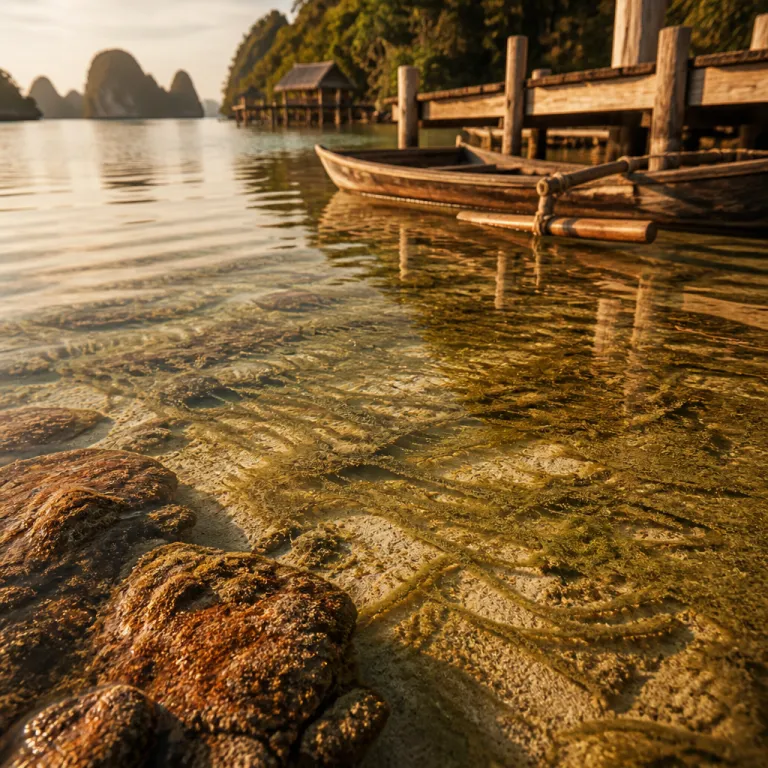
June’s plankton bloom and what it really means for divers
Raja Ampat in June is not about flat seas and postcard clarity. It is about a living water column where plankton thickens, manta rays arrive in numbers, and the reef feels intensely alive for divers who time their trip well. If you are weighing raja ampat june diving against a classic October to April window, June offers a different kind of best time, one defined by marine life density rather than perfect visibility.
The plankton bloom builds through early June as natural oceanic processes and seasonal nutrient upwelling push food toward the surface. By mid month, the season reaches a peak bloom that changes the way you dive raja, from how you plan each time dive to which dive sites you prioritise for manta cleaning stations and reef sharks. Late June usually brings a gentle decline, but throughout the month the water remains warm at around 30.1 °C, which keeps coral growth vigorous and fish activity high across the reef.
Expect the conditions to be different from the classic dry season in Indonesia, especially around Waisai and the Dampier Strait. Average rainy days in June can reach 28, so weather patterns are less predictable, yet the low season feel on the surface means fewer liveaboard horns at dawn and more space on signature dive sites such as Cape Kri. Local guidance is clear for anyone considering raja ampat june diving during this wet season window : "Prepare for variable weather.," "Expect reduced visibility underwater.," and "Plan for fewer tourists."
How June changes your dive planning, from manta sandy to cape kri
Underwater, the first thing you notice in June is the visibility shift. Plankton rich water in Raja Ampat can cut the view to 10–15 metres, yet that same bloom pulls manta rays into sites like Manta Sandy and Manta Ridge, where patient divers can spend an entire time dive watching these animals loop through the water above the reef. For many ampat diving enthusiasts, this trade off defines why raja ampat june diving is worth the long crossing from mainland Indonesia.
Macro life also thrives when the plankton is thick, so photographers who usually chase wide angle reef scenes at Cape Kri or Sardine Reef often switch to ampat scuba macro lenses. Seahorses, nudibranchs, and tiny reef fish species crowd the coral heads, while reef sharks patrol the edges of the current, giving divers a layered view of marine life that feels almost theatrical. The conditions reward slow scuba diving, careful buoyancy, and a willingness to let the sites unfold rather than racing from one famous bommie to the next.
Is June a good time to dive in Raja Ampat? Yes, but expect reduced visibility due to plankton bloom. What marine life can be seen during the plankton bloom? Increased sightings of macro life and occasional manta rays. Are dive resorts open in June? Yes, but some may have limited operations. If you are pairing a cultural stay near Borobudur with a later flight to Sorong, read the detailed guidance on how Borobudur sunrise permits now work before locking in your domestic connections.
Liveaboard versus shore based stays for raja ampat june diving
Choosing between an ampat liveaboard and a shore based resort in June is less about luxury level and more about how you want to move with the season. Liveaboard itineraries in this low season month can pivot quickly between Dampier Strait, Misool, and even Triton Bay, chasing clearer water or thicker manta aggregations when the weather shifts overnight. A resort such as Raja Ampat Biodiversity Eco Resort, based near Waisai, offers stability instead, with house reef access for spontaneous time dive sessions whenever the conditions align.
High end vessels like Aqua Blu or SeaTrek typically run seven to ten night routes that link Cape Kri, Manta Sandy, and the central Dampier Strait with southern reefs, giving divers a broad sweep of coral systems during the plankton bloom. Prices for a week on a premium liveaboard in Indonesia often sit between 4,500 and 7,000 US dollars per person, and for raja ampat june diving you should confirm how many dives per day are planned at manta focused dive sites versus more sheltered macro locations. Shore based stays, by contrast, can be paired with other Indonesian destinations, from a refined Komodo cruise to a few nights at a coastal retreat featured in this decision map for luxury stays in Indonesia.
For solo divers, the social rhythm on an ampat liveaboard during the low season can be a quiet luxury, with fewer guests and more space on the dive deck. If you prefer to visit raja with flexible days, a resort lets you skip a dive when the weather closes in and instead enjoy the shoreline, which in Raja Ampat often means a private jetty, a simple spa, and a housekeeper who leaves a small offering at your door each morning. Either way, remember that the classic October to April high season books out years ahead, while June still holds last minute opportunities for those willing to accept more variable conditions.
The seven day June route that makes the plankton work for you
A focused seven day raja ampat june diving plan starts and ends in Sorong, with your first night usually spent crossing toward the Dampier Strait. Day one and two are best devoted to the central reef systems near Kri and Mansuar, where dive sites such as Cape Kri, Blue Magic, and Sardine Reef give you a sense of how the plankton bloom is shaping marine life that week. With water temperatures steady and currents pulsing, divers can expect dense schools of fish, cruising reef sharks, and coral gardens that justify Raja Ampat’s reputation for sheltering most of the world’s coral species.
Mid week, shift your focus to manta behaviour, planning at least two full days around Manta Sandy and nearby cleaning stations that sit in slightly deeper water. Here, the season’s bloom becomes your ally, drawing manta rays into predictable loops above the reef, where patient divers can settle on the sand and watch the life of the cleaning stations unfold. Operators who know June well will time dive entries around slack tide and changing weather, giving you the best chance of long, calm encounters even when surface conditions feel unsettled.
For the final days, many itineraries either push south toward Misool or, on longer trips, extend as far as Triton Bay, where soft coral and fish density rival anything in Raja Ampat. If your schedule allows, pairing this marine heavy week with a few days at a quiet coastal address, such as one of the refined stays highlighted in this guide to Pink Beach in Lombok, can soften the transition back to city life. Throughout, remember that marine park permits and visitor caps mean you should secure your ticket and accommodation well ahead, especially as more divers look to June as an alternative to the crowded October to April period.
FAQ
Is June really a good time for diving raja ampat if visibility is lower ?
June is a strong month for raja ampat june diving if your priority is marine life rather than postcard visibility. The plankton bloom reduces clarity but increases encounters with manta rays, macro species, and dense schools of fish across key dive sites. Divers who value behaviour, photography opportunities, and quieter boats often rate this low season window as one of the best times to visit raja.
How does the weather in June affect dive conditions and safety ?
Weather in June around Raja Ampat sits within the wet season, with frequent rain and shifting winds that can affect surface chop and crossing comfort. Underwater, the water temperature remains warm, but currents and visibility can change quickly between sites, so experienced operators adjust plans daily. Safety remains high when you dive with established resorts or liveaboards that monitor conditions closely and choose sheltered reefs when the weather turns.
Should I choose a liveaboard or a resort for a June trip ?
A liveaboard in June offers flexibility to move between Dampier Strait, Misool, and sometimes Triton Bay, chasing the best conditions and manta activity. A resort such as Raja Ampat Biodiversity Eco Resort gives you a stable base, easy access to a house reef, and the option to skip dives when the rain sets in without feeling you are wasting a day. Your choice should reflect whether you prefer a structured, multi site itinerary or a slower rhythm with more time on shore.
What photography equipment works best in plankton rich June water ?
For raja ampat june diving, serious photographers should pack both wide angle and macro setups, with strobes powerful enough to cut through plankton haze. A wide angle lens still works for manta rays at Manta Sandy or Cape Kri, but you will want to get close and manage backscatter carefully. On days when visibility drops, switching to macro lets you focus on the rich small scale life that thrives on the coral reef during the bloom.
How far in advance should I book permits and accommodation for June ?
Even though June sits outside the classic October to April high season, Raja Ampat’s visitor caps and marine park permit system mean you should still book several months ahead. Premium liveaboards often fill their best cabins early, while well run resorts near prime dive sites hold limited rooms to protect the reef and guest experience. Securing your marine park ticket, flights to Sorong, and either an ampat liveaboard or resort stay early ensures the plankton bloom works on your schedule, not the other way around.