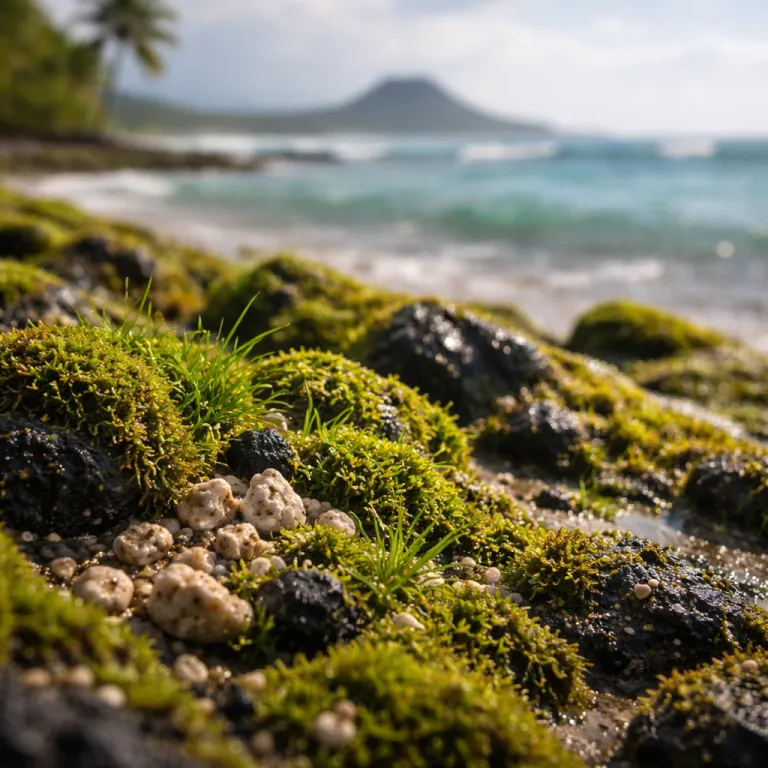
Reading the May dry season shift across Indonesia’s key islands
May is when travel Indonesia begins to reward planners who care about timing. Across Indonesia the air turns drier in many areas, yet each island and its island groups move at their own pace. For luxury travelers this means your trip can either chase clear water and blue skies or fight shoulder season storms if you misread the regional patterns.
On Bali and the nearby Gili Islands the dry season pattern is already visible by early May, with fewer showers on the island’s south coast and better sunsets over the water. According to Indonesia’s Meteorology, Climatology and Geophysics Agency (BMKG), Denpasar averages roughly 60–90 mm of rain in May, compared with more than 250 mm in January, and daytime temperatures hover around 30°C with moderate humidity. Java follows close behind, so sunrise views at Mount Bromo and Ijen usually benefit from clearer air and more stable conditions in both major cities and rural areas, with BMKG data showing May rainfall in Surabaya and Malang typically under 100 mm and lighter easterly trade winds beginning to dominate.
Farther east, Komodo and Labuan Bajo tend to enter their prime window later in the month, when the national park’s channels calm down and liveaboards can operate more predictably around Komodo National Park’s protected marine zones. May averages in Labuan Bajo are often below 50–70 mm of rain with sea temperatures around 28°C, which helps keep crossings shorter and more comfortable for small boats. Raja Ampat is different, because this island group sits where several seas meet and the dry season label is softer; BMKG and local operator reports describe a transitional pattern in May with scattered showers but fewer prolonged downpours than earlier in the year.
By mid May visibility for scuba diving in Raja Ampat often reaches roughly 20 to 30 metres according to long-running dive operator logs, yet short bursts of rain still pass through and keep the reefs lush. Lake Toba in North Sumatra also sees more reliable sunshine by late May, with BMKG climate summaries indicating a gradual drop in rainfall from March into early dry season, which helps solo travelers plan slow days on the water without worrying that health or safety will be compromised by sudden storms on longer crossings.
Early May versus late May: where conditions actually deliver for luxury stays
Think of May in Indonesia as two distinct acts for international travel rather than one long shoulder season. In early May, Bali, Java and the Gili Islands already feel settled, so travelers can visit with a good balance of sunshine, manageable heat and thinner crowds in most areas. Late May is when Komodo, Labuan Bajo and parts of Raja Ampat really come into their own, offering calmer water and more predictable air patterns for yacht charters and high end liveaboards.
For a solo explorer planning to travel Indonesia with an eye on value, early May in Bali can quietly save you money at luxury properties that will be fully booked by July. You still enjoy dry season perks such as reliable surf on the Bukit Peninsula and clear evenings in major cities like Denpasar and Ubud, yet rates and minimum stays remain softer, with many resorts treating May as shoulder season rather than full peak. On Java, sunrise hikes at Bromo and Ijen face fewer cancellations than in the wet months, and the road transfers through rural areas are less likely to be disrupted by landslides or flooding because average May rainfall is significantly lower than in December–February.
By late May, Komodo National Park becomes a serious contender for your trip, with smoother crossings between islands and better visibility for scuba diving around manta points. This is the moment to fold in a few days in Raja Ampat if you want to experience world class reefs before the busier months, using a refined eco resort or carefully chosen liveaboard as your base. For transparency, any internal guides to luxury hotels in Raja Ampat or similar resources should be read as curated recommendations rather than independent journalism, so cross-check current reviews and park regulations before you book.
Three May power plays: Raja Ampat diving, Bromo–Ijen hiking, Bukit surfing
For serious ocean lovers, Raja Ampat in May is one of the most compelling reasons to travel Indonesia before peak season. As the drier weather settles, the water clarity improves, manta rays gather at sites like Manta Sandy and Magic Mountain, and the air feels just cool enough at night for comfortable sleep without overworking the air conditioning. A stay at a property such as Sorido Bay Resort lets travelers pair world class scuba diving with thoughtful service, where the real luxury is the reef at your doorstep rather than a crowded pool, and where park fees and marine permits are usually bundled transparently into your package.
On Java, the Bromo–Ijen corridor becomes a high leverage move for solo travelers who want drama without chaos. Clearer skies mean the famous Bromo caldera sunrise is less likely to vanish into cloud, and the hike into Ijen’s crater is usually drier underfoot, which matters when you are managing your own health and safety on steep paths. Local authorities often require visitors to register at park entrances and may limit access during periods of heightened volcanic activity, so listening to rangers and guides is as important as checking the forecast. With fewer domestic holiday crowds than later in the dry season, you can often save time at viewpoints and still return to a premium hotel in nearby major cities such as Malang or Banyuwangi by late morning.
Down on Bali’s Bukit Peninsula, May is when the left hand reef breaks start to work with satisfying consistency. Swell lines arrive cleanly across the Indian Ocean, the water temperature stays inviting and the air is less humid, so long surf sessions feel easier on the body. Between sessions, you can retreat to a clifftop suite, or spend an afternoon at a refined beach club, using any trusted guide to elegant ways to enjoy a beach club in Bali to choose venues that match your style rather than just your Instagram feed, and to understand minimum spend policies, dress codes and local etiquette.
Why May beats peak season and how to route a 10–14 day solo trip
Luxury travelers who time their travel Indonesia plans for May often enjoy a quieter, more attentive version of the same hotels that feel hectic in July. Room rates in many parts of Indonesia remain below high season levels, and staff in both major cities and rural areas have more time to share local stories or arrange last minute experiences. You also sidestep school holiday surges from the United States, Australia and parts of Europe, which keeps pools, boats and airport lounges calmer.
A practical 10 to 14 day routing for a solo explorer could start with three nights in Bali to reset after a long haul international flight into the main international airport. From there, fly to Java for three or four nights split between Bromo and Ijen, using a trusted driver and listening to local authorities on road and volcano conditions; Indonesia’s disaster management agency (BNPB) and the Volcanology and Geological Disaster Mitigation Center (PVMBG) publish alert levels that reputable guides monitor closely. Finish with four to six nights in Komodo or Raja Ampat, depending on whether you prefer liveaboard style scuba diving or a land based island retreat with easy access to water based excursions, and allow at least one buffer day before any international flight if you have been diving.
Dry season in Indonesia is always statistical, never guaranteed, so even in May you should expect the occasional shower in Raja Ampat or a windy crossing near Komodo National Park. That is why robust travel insurance, including coverage for medical evacuation, is non negotiable when you move between remote islands with limited medical facilities. Official advisories from agencies such as the United States Department of State and the Centers for Disease Control and Prevention (CDC) emphasise that visitors should exercise increased caution due to terrorism, natural disasters and health risks, so review current guidance, follow BMKG weather updates where available and register your international travel plans if your government offers that service.
Health, safety and practicalities for luxury travelers in Indonesia’s dry season
Even in the dry months, Indonesia remains a vast archipelago of more than 17,000 islands, with sharp contrasts between polished resort zones and remote rural areas. In major cities such as Jakarta, Denpasar or Surabaya, high end hospitals and clinics can handle many medical issues, but once you head to Lake Toba, Komodo or Raja Ampat, options narrow quickly. That is why every solo traveler should carry comprehensive travel insurance that includes medical evacuation, especially when planning scuba diving or long boat transfers over open water.
Before you travel Indonesia, review the latest advice from your national health authorities and the Centers for Disease Control and Prevention, paying attention to vaccine recommendations and disease control updates. The CDC’s country pages outline guidance on mosquito borne illnesses, food and water safety, and malaria risk, which can vary between major cities and smaller islands. Health agencies focus on prevention of infectious disease, while foreign ministries and departments of state track security concerns that might affect international travel. Local authorities in Indonesia also issue advisories for volcanic activity on Java and for marine conditions around Komodo National Park, so your hotel concierge or liveaboard captain should always be checking these.
Most international travelers arrive through an international airport in Bali or Java, then connect onward by air or sea to smaller island hubs such as Labuan Bajo for Komodo or Sorong for Raja Ampat. Respect local customs when you visit temples or villages, dress modestly away from the beach, and remember that people in more conservative areas may have different expectations than those in Gili Trawangan or the Gili Islands party strips. Indonesia is generally considered safe for tourists, but the same official guidance that urges increased caution due to terrorism and natural disasters also implies staying alert to weather shifts, following crew instructions on boats and keeping copies of your passport and visa separate from the originals.
FAQ
Is Indonesia safe for tourists who travel in May during the dry season ?
Indonesia welcomes large numbers of international travelers each year, and most trips are uneventful, especially in well established areas such as Bali, Java and Labuan Bajo. However, official travel advisories consistently recommend that visitors exercise increased caution because of terrorism risks and natural hazards, so you should monitor updates from your own foreign ministry or the United States Department of State before and during your trip. Choosing reputable operators, listening to local authorities and avoiding risky behavior around volcanoes or on the water will significantly reduce your exposure to problems.
What health and medical preparations are recommended before I travel Indonesia in May ?
Before departure, consult a travel health clinic or your doctor about recommended vaccines and any disease control measures for Indonesia, especially if you plan to visit rural areas or multiple islands. The Centers for Disease Control and Prevention publishes detailed guidance on topics such as mosquito borne illnesses, food safety and water hygiene, which is particularly relevant if you will be scuba diving or spending long days on boats. Comprehensive travel insurance that includes medical evacuation is essential when visiting remote regions like Komodo National Park, Lake Toba or Raja Ampat, where local medical facilities may be limited.
How does May compare with peak season for luxury hotel rates and crowds ?
May usually sits just before the main peak season that runs through the middle of the year, so many luxury hotels in Indonesia offer lower rates and more flexible minimum stays than in July or August. Properties in Bali, Java and the Gili Islands often feel calmer, with fewer families from the United States and Europe, which means quieter pools, easier restaurant reservations and more attentive service. For solo travelers this can translate into better value, more meaningful interactions with staff and the freedom to adjust your itinerary without penalty.
Which Indonesian destinations work best for a 10 to 14 day May itinerary ?
A balanced May itinerary for a solo traveler might combine three nights in Bali, three or four nights on Java for Bromo and Ijen, and four to six nights in either Komodo or Raja Ampat. This routing takes advantage of improving dry season conditions across multiple islands while keeping flight connections manageable through main international airport hubs. You can tailor the mix depending on whether you prioritise surf, hiking or scuba diving, but keeping at least one buffer day between long transfers helps protect your health and energy levels.
Do I need special permits or local guidance for places like Komodo and Raja Ampat ?
Komodo National Park and Raja Ampat both require park fees and, in some cases, additional permits that are usually arranged by your hotel, liveaboard or local tour operator. Working with established partners ensures that your visit supports conservation efforts and that you comply with regulations set by local authorities, which is crucial for protecting fragile marine ecosystems. In remote areas such as these, experienced guides also play a key role in safety on the water and in managing interactions with wildlife, from Komodo dragons to manta rays.