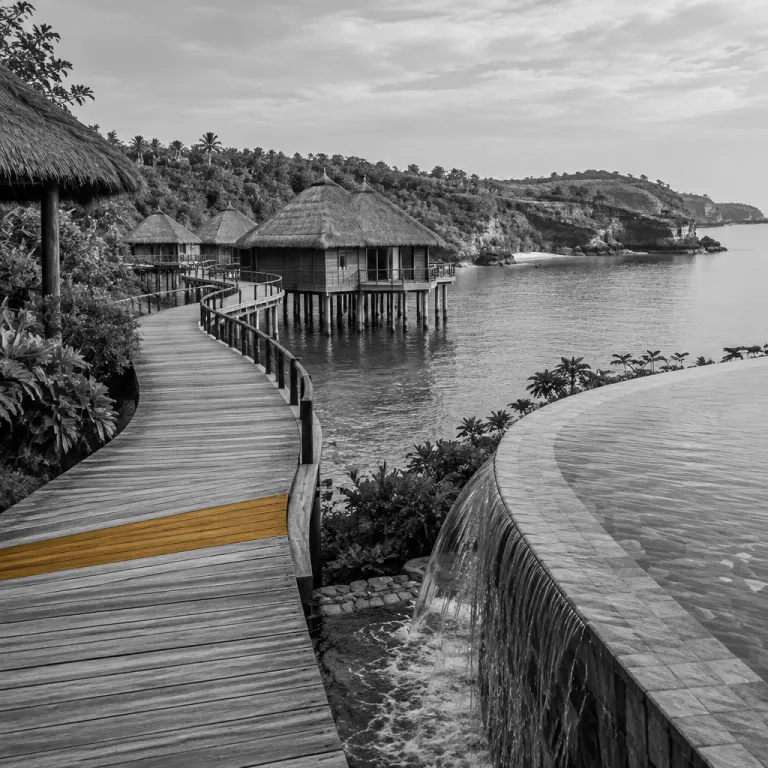
What huts over water in Bali really mean for luxury travelers
Many travelers arrive with a dream of huts over water in Bali. They picture classic overwater bungalows on stilts above a turquoise lagoon, similar to what they have seen in the Maldives or Bora Bora. In reality, Bali offers water villas in different ways, using rivers, ponds, lagoons, and dramatic cliffs to create a beautiful sense of immersion.
There are currently zero genuine ocean overwater bungalow resorts in Bali. Local regulations, strong surf, and a steep seabed make it effectively impossible to build a traditional overwater resort above the open sea, even though the island has world class beaches. Instead, Bali resorts have refined a different style of luxury, with villas perched above jungle rivers, lagoon style pools, and water gardens that wrap around your private terrace.
Official travel and planning guidance is clear on this point and worth quoting in full. “Are there true overwater bungalows in Bali? No; none built over open sea on stilts. What are Bali’s water-style alternatives? Lagoon villas, river/villas above ponds, cliffside infinity pools. Why no ocean overwater huts in Bali? Strong surf, steep seabed, zoning laws.” This summary reflects coastal zoning rules published by Indonesian authorities and repeated in recent destination reports.
For guests, this means that huts over water in Bali usually describe resort villas built above man made lagoons or natural rivers. These water villas can still feel wonderfully overwater, with steps leading straight from your deck into a pool or pond, and with air conditioning keeping the interior cool after a humid day. When you compare them with an overwater bungalow in Fiji or the Maldives, think less about being suspended above the ocean and more about the intimacy of a private pool framed by jungle or rice fields.
Luxury booking platforms now label room types more carefully to avoid confusion. You will see terms such as lagoon access villas, riverfront bungalows, or cliffside suites with infinity pool, instead of vague promises of overwater bungalows. When you search for Bali best options, always read the room description and map view, because the same resort may offer both standard hotel rooms and high end water villas in very different locations on the property.
How Bali’s water villas compare with Bora Bora and the Maldives
When people search for huts over water in Bali, they often compare the island with Bora Bora or the Maldives. Those destinations are famous for a classic overwater bungalow built on stilts above shallow lagoons, usually on small coral islands. Bali, by contrast, is a larger volcanic island with deep water close to shore and powerful waves, which shapes how resorts can safely build near the sea.
If your dream is to walk along a wooden jetty to a stand alone overwater bungalow, then Bora Bora, the Maldives, or certain islands in Fiji will match that fantasy more closely. These islands sit on wide reef shelves, so overwater bungalows can extend far into the lagoon while still standing in relatively shallow water. In Bali, the same style would be unsafe and would violate coastal regulations, so luxury resorts focus on clifftop villas, river bungalows, and lagoon pools instead.
That does not mean you must choose between Bali and the classic overwater experience. A smart strategy is to spend most of your time in Bali, enjoying its culture, spa traditions, and varied landscapes, then add a shorter stay in a true overwater resort elsewhere in Indonesia or the wider region. Bawah Reserve and Misool, for example, offer authentic overwater bungalows on remote islands, while Bali delivers a richer mix of temples, dining, and inland scenery.
Within Bali itself, you will find water villas that echo some of the romance of an overwater bungalow without copying it. In Nusa Dua, several resorts have lagoon access villas where you can slide straight from your terrace into a shared pool that winds through the property. In Ubud, riverside bungalows perch above jungle ravines, with private pools cantilevered over the valley and air conditioning inside to balance the tropical heat.
As Bali’s luxury scene evolves, new openings such as the riverside address covered in this analysis of Bali’s next luxury wave in Ubud show how designers use water as a focal point without relying on overwater clichés. These properties often combine resort villas with elevated hotel suites, giving guests a choice between immersive water views and more traditional layouts. When you compare them with resorts on other islands, focus on the overall experience rather than chasing a single architectural style.
Where to stay in Bali for a water focused luxury escape
Choosing where to base yourself in Bali is the most important decision for anyone seeking huts over water. Each region offers a different relationship with water, from calm lagoons and family friendly beaches to wild cliffs and jungle rivers. Your ideal resort or hotel will depend on whether you prioritise swimming, surfing, spa rituals, or simply gazing at the ocean from a private pool.
In Nusa Dua and Tanjung Benoa, several large scale resorts have lagoon style pools that wrap around ground floor villas. These resort villas often feel like overwater bungalows because the water comes right up to your terrace, and some even include a semi private pool section screened by greenery. Families appreciate the calm sea and wide beach, while couples enjoy the easy access to spa facilities and air conditioned suites.
Move south to the Bukit Peninsula and the mood changes completely. Around Uluwatu and Dreamland, clifftop hotels trade direct overwater access for dramatic height, with infinity pools that seem to spill into the Indian Ocean. If you are considering a stay on this coastline, resources such as this guide to serene luxury stays on Dreamland’s white sand shoreline help you compare properties by cliff height, beach access, and room categories.
Ubud and central Bali are the best areas for jungle river bungalows and water villas suspended above ravines. Here, huts over water in Bali usually mean villas with private pools that overhang a river, giving you the sensation of floating above the canopy. These resorts rarely sit on a beach, but they compensate with spa programs, cultural activities, and cooler temperatures that make air conditioning less of a constant necessity.
On the quieter north and east coasts, smaller resorts and villas hug black sand beaches and coral rich bays. You will not find classic overwater bungalows here, yet you can book beachfront bungalows where the sea is only a few steps from your bed, and where a private pool faces sunrise rather than sunset. For travelers who value tranquillity over nightlife, these islands within the island feel like a different destination entirely.
Hidden gems beyond Bali: Indonesian islands for true overwater stays
Some travelers start with huts over water in Bali, then realise they are open to exploring other Indonesian islands. That shift in mindset unlocks a series of remarkable destinations where true overwater bungalows stand above clear lagoons, often with coral gardens directly beneath your deck. These islands are more remote than Bali, but they reward the extra travel time with seclusion and pristine marine life.
Within Indonesia, Bawah Reserve in the Anambas archipelago and Misool in Raja Ampat are the best known examples of genuine overwater resorts. Their overwater bungalows and water villas sit on stilts above shallow reef flats, similar to what you might expect in Bora Bora or the Maldives, yet with far fewer neighbouring properties. Guests typically arrive by seaplane or private boat, and stays are often sold as all inclusive packages with guided snorkelling and diving.
These islands are not a simple add on to a short Bali holiday, because reaching them requires careful planning and a higher budget. However, if you are already investing in a long haul trip and want at least a few nights in a classic overwater bungalow, combining Bali with one of these resorts can be a powerful itinerary. Think of Bali as your cultural and culinary base, then treat the overwater segment as a retreat within a retreat.
Beyond Indonesia, regional hubs such as Fiji and the Maldives remain strong contenders for travellers who prioritise overwater architecture above all else. Fiji’s islands offer a mix of beachfront bungalows and a smaller number of overwater bungalows, while the Maldives specialises in long jetties lined with water villas, each with its own private pool and direct lagoon access. When you compare these with Bali best cliffside hotels, you are really choosing between ocean immersion and broader on land experiences.
If you are curious about quieter alternatives to headline resorts, it is worth reading about lesser known Indonesian islands such as Sumba. Articles like this feature on quieter luxury properties on Sumba’s eastern coast show how beach hotels and villas can feel every bit as special as an overwater bungalow, especially when the coastline is empty. These destinations may not offer huts over water in the strict sense, yet they deliver the same sense of escape that overwater resorts promise.
How to read room descriptions and avoid overwater disappointment
Because the phrase huts over water in Bali is used loosely in marketing, careful reading of room descriptions is essential. Many resorts describe their suites as overwater or water villas when they actually sit beside a lagoon style pool or above a riverbank. The experience can still be beautiful, but only if it matches what you imagined when you booked.
Start by checking the exact room category on the hotel or resort website. Look for clear terms such as lagoon access, river view, ocean facing, or cliffside, and be cautious when you see overwater without a detailed explanation. Satellite maps and guest photos are useful tools, because they show whether your bungalow stands above open water, above land with a pool in front, or on a higher terrace with a view.
Next, pay attention to the layout and facilities that shape your daily comfort. In Bali’s tropical climate, reliable air conditioning is not a luxury but a necessity, especially in west facing rooms that receive strong afternoon sun. A private pool is a major advantage, yet you should also check whether the resort offers larger shared pools, shaded areas, and easy access to the beach or river for variety.
When comparing Bali best options with resorts on other islands, consider how much time you will actually spend in your room. If you plan long days exploring temples, markets, and rice terraces, a well designed hotel room with a good pool and spa might serve you better than the most elaborate water villa. On the other hand, if your goal is to rest and read on your deck, then investing in resort villas with private pools and strong privacy makes sense.
Finally, remember that terms such as overwater bungalows and overwater bungalow carry strong associations from destinations like Bora Bora, Fiji, and the Maldives. In Bali, those words usually signal proximity to water rather than a specific stilted design, so manage your expectations accordingly. The more precisely you match your booking to your priorities, the less likely you are to feel misled when you arrive.
Design details that define Bali’s most memorable water villas
What makes huts over water in Bali feel special is rarely a single feature. Instead, it is the way architecture, landscaping, and service combine to create a continuous relationship with water throughout your stay. The best resorts think about this from the moment you arrive, guiding you past reflecting pools, koi ponds, and open air lobbies that frame the sea or river.
Inside the villas and bungalows, thoughtful design details matter just as much as the view. Sliding glass doors that open fully blur the line between bedroom and terrace, while deep overhangs and screens protect you from glare so you can keep those doors open longer. High quality air conditioning, ceiling fans, and cross ventilation work together, allowing you to enjoy the sound of water without sacrificing sleep quality.
Outdoor spaces are where Bali’s resort villas often outshine their counterparts on other islands. Many water villas feature a private pool that wraps around the deck, with submerged ledges for lounging and steps that lead directly into the water. Some cliffside hotels add glass fronted plunge pools that appear to hang over the ocean, creating a sense of drama that even classic overwater bungalows in the Maldives or Bora Bora cannot always match.
Landscaping also plays a crucial role in how private and serene your space feels. Dense planting between villas ensures that you can sit on your terrace or swim in your pool without feeling overlooked, even in larger resorts. At night, subtle lighting along pathways and water edges keeps the atmosphere calm, while still making it easy to navigate back to your bungalow after dinner.
Spa facilities and wellness programs complete the picture for many guests. A resort that combines strong water focused design with a high calibre spa, good beach access, and attentive service will usually feel like the Bali best choice, even if it does not offer a textbook overwater bungalow. When you evaluate properties, look beyond the headline photos and ask how every part of the hotel supports the way you want to spend your time.
Planning your itinerary and budget for a water centric Bali stay
Once you understand what huts over water in Bali really offer, you can plan a more satisfying itinerary. A common approach is to split your time between two or three regions, such as Ubud for river views, Nusa Dua for lagoon pools, and Uluwatu for cliffs and sunsets. This multi stop strategy lets you experience different interpretations of water focused luxury without constantly changing islands.
From a budgeting perspective, water villas and bungalows with private pools usually sit at the top of each resort’s price ladder. Current data from Uluwatu indicates that premium cliffside villas with ocean views often start around 245 USD per night for the lowest category, with rates rising sharply for larger units and peak seasons. This figure reflects recent price samples from major booking platforms and resort direct channels rather than a fixed cap. Inland, river facing villas in Ubud can be slightly more affordable, though the most exclusive properties still command prices comparable to high end hotels on other islands.
To make the most of your budget, decide where you want to splurge and where you are comfortable with a simpler room. Some travelers choose a few nights in a top tier water villa, then shift to a stylish but more conventional hotel room for the rest of their stay, keeping access to a good pool and spa. Others prioritise a longer duration in a mid range resort, valuing time on the island over the prestige of a particular bungalow category.
When comparing Bali with destinations such as Fiji, Bora Bora, or the Maldives, remember to factor in transfer costs and inclusions. Overwater resorts on remote islands often bundle meals and activities into the nightly rate, while Bali hotels usually price these separately, which can make the base room rate look lower at first glance. A careful side by side comparison of total trip costs will give you a clearer picture than focusing on room prices alone.
Finally, protect your plans by booking flexible rates where possible and reading cancellation policies closely, especially for high value resort villas and overwater style suites. Luxury properties typically state that all rights are reserved regarding changes to room categories, views, or inclusions, so written confirmations are important. With thoughtful planning, you can enjoy the best of Bali’s water centric stays while keeping both expectations and expenses under control.
Key figures for Bali’s water focused luxury stays
- There are currently zero genuine ocean overwater bungalow resorts in Bali, according to recent Indonesian and international travel guides that track coastal development and reference local zoning rules.
- Premium cliffside villas with ocean views in Uluwatu often start around 245 USD per night for entry level categories, based on aggregated price data from leading resorts and major booking platforms.
- Most Bali resorts that market overwater style experiences actually use lagoon pools, rivers, or ponds, reflecting local zoning rules that restrict building directly above the public sea.
- True overwater bungalows on stilts above the ocean are available within Indonesia at remote properties such as Bawah Reserve and Misool, which typically require seaplane or boat transfers.
- Multi stop itineraries that combine Bali with a short overwater stay on another island can increase flight and transfer costs significantly, but they allow travelers to experience both cultural depth and classic lagoon villas in a single trip.
FAQ about huts over water in Bali and nearby islands
Are there real overwater bungalows in Bali built above the sea ?
No, Bali does not have any true overwater bungalows constructed on stilts above the open ocean. Coastal regulations, strong surf, and a steep seabed make this style of resort unfeasible around the island. Instead, Bali offers water villas above rivers, ponds, lagoons, and near cliff edge pools.
What are the best Bali areas for a water focused luxury stay ?
Nusa Dua and Tanjung Benoa are ideal for lagoon style pools and family friendly beaches. Uluwatu and the wider Bukit Peninsula excel at clifftop villas with dramatic infinity pools, while Ubud is the leading region for jungle river bungalows and villas with private pools overlooking ravines. North and east coast areas suit travelers seeking quieter beachfront hotels and simpler bungalows close to the water.
How do Bali’s water villas compare with the Maldives and Bora Bora ?
Bali’s water villas usually sit beside or above pools, rivers, or ponds, whereas the Maldives and Bora Bora specialise in overwater bungalows on stilts above shallow lagoons. This means Bali offers a broader mix of cultural experiences, dining, and landscapes, but less of the classic jetty based overwater layout. Travelers who want both often combine Bali with a shorter stay in a true overwater resort elsewhere.
What should I check before booking a hut over water in Bali ?
Always read the room description carefully to see whether overwater means lagoon access, riverfront, or simply a pool view. Check for key comforts such as air conditioning, a private pool, and easy access to the main beach or shared resort pools. Guest photos and maps help confirm whether your bungalow stands above water, above land, or on a higher terrace.
Can I combine a Bali trip with a true overwater stay in Indonesia ?
Yes, many travelers pair Bali with a few nights in a remote Indonesian overwater resort such as Bawah Reserve or Misool. This combination allows you to enjoy Bali’s culture, spa scene, and varied landscapes, then finish with a classic overwater bungalow experience on a quieter island. You will need to budget extra time and money for seaplane or boat transfers, but the contrast between the two settings can be very rewarding.