Why a Sumba luxury resort beyond Nihi belongs on your shortlist
Most travelers hear about Sumba through the legend of Nihi Sumba and stop there. Yet the island is large, the coasts are distinct, and a Sumba luxury resort beyond Nihi can offer equal serenity with more space to breathe. For couples who value privacy and culture as much as polished service, that difference matters.
On the western shoreline, the original resort Nihi faces the open Indian Ocean with a surf break that shaped the mythology of Nihi offers and the wider indonesia Nihi story. Move east along Sumba Island’s curves and the sea softens, the land rises, and you start to explore a quieter chapter of beauty Sumba where the beaches are emptier and the villages feel closer. This is where a new generation of luxury resort owners is working with local communities rather than simply importing a Bali template.
Think of Bali Sumba as a twin axis for your Indonesian travels, with Bali for dining and design and Sumba for raw nature and ceremony. You might fly from east Bali after a week of temples and rice terraces, then land on Sumba Island for three or four day stays split between coasts. The result is a more layered experience of Indonesia, where each hotel stay feels like a different island rather than a repeat of the same infinity pool.
For travelers who already know the unforgettable Nihi narrative, the question becomes simple. Do you want your next visit to Sumba to be defined by a single property, or by the island itself with several stays that reveal its contrasts ? Choosing a Sumba luxury resort beyond Nihi lets you keep the myth while widening the lens to include eastern bays, central highlands, and smaller retreats that still feel genuinely private.
Mapping Sumba: west coast waves, eastern coves, and highland rituals
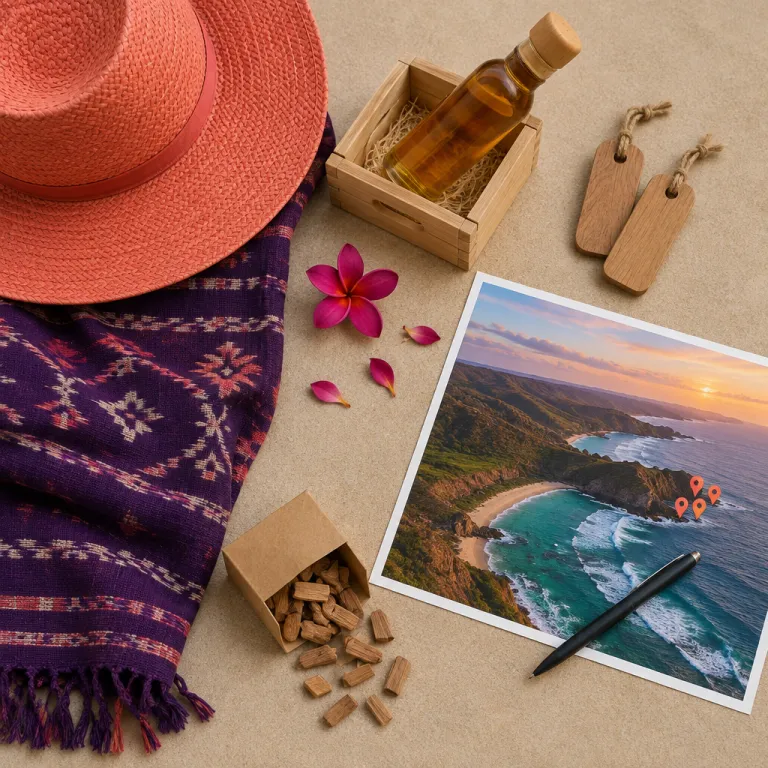
Sumba is roughly the size of Bali but feels far more elemental. The western coast, anchored by Nihi Sumba, is all sweeping ocean energy, with long beaches, strong surf, and that cinematic view of horses galloping at low tide. The eastern coast, by contrast, trades drama for calm, with gentler bays and headlands where a Sumba luxury resort beyond Nihi can sit quietly above a protected cove.
When you visit the west, you are in classic resort Nihi territory, where the original Nihi offers revolve around surf, spa safari experiences, and curated excursions into nearby villages. Drive east for several hours and the road climbs into the central highlands, where traditional Marapu animist beliefs still shape daily life and the land is dotted with megalithic tombs. Continue down to the eastern shoreline and you reach smaller hotels and private villas where the beach is often empty, the open air feels softer, and the night sky is almost shockingly bright.
For couples planning a longer Bali Sumba itinerary, it helps to think in segments. Start with a few days in south or east Bali, then fly to Tambolaka for the west or Waingapu for the east, depending on whether you want surf or calmer ocean views first. If you are torn between reef heavy destinations like Wakatobi and Raja Ampat, this detailed comparison of reef lover choices in Indonesia can help you decide how Sumba fits into a wider island hopping plan.
The central highlands deserve at least a day, ideally two, between coasts. Here the beauty Sumba reveals itself in the rhythm of village life, from pasola horseback battle grounds to terraced fields carved into the land, and a good guide will help you explore respectfully. This is also where you feel most clearly that a Sumba luxury resort beyond Nihi is not just about a hotel but about access to living culture that has not been polished for mass tourism.
What luxury really means on Sumba: beyond thread counts and plunge pools
On Sumba, luxury is less about marble lobbies and more about how a property sits within its landscape. A Sumba luxury resort beyond Nihi will often have fewer rooms, more open air spaces, and a closer relationship with the local community. You might trade a long spa menu for a single, excellent therapist who knows every guest by name.
Many of the most interesting hotels on Sumba Island are built with local stone and alang alang thatch, framing ocean views rather than dominating them. Instead of a vast main pool, you are more likely to find a private pool attached to each villa, oriented toward a sweeping ocean horizon or a quiet valley. At night, the soundtrack is not a bar playlist but the wind moving through the hills and the distant crash of waves on a beach you may have walked alone that afternoon.
Service follows the same pattern. Staff are usually from nearby villages, and the best properties invest in training and long term employment rather than seasonal contracts, echoing the community focus pioneered by the Sumba Foundation around Nihi Sumba. When you book, ask how the resort works with local suppliers, whether the fish on your plate came from the next bay, and how your stay supports education or healthcare in the area. That is where the real difference between a generic luxury hotel and a Sumba luxury resort beyond Nihi becomes visible.
For urban context before or after your island time, some couples pair Sumba with a night or two in Java, choosing elevated stays such as the riverside apartments highlighted in this guide to riverside living in Cikarang. The contrast between a city view and a Sumba beach at dawn underlines how varied Indonesia’s hospitality landscape has become. It also reinforces why, for many, the true luxury lies in the remoteness of Sumba rather than in urban gloss.
Staying near Nihi without staying at Nihi: western Sumba alternatives
For travelers drawn to the unforgettable Nihi story but not its price point or waitlist, western Sumba now offers a handful of alternatives. These properties sit within driving distance of Nihi Sumba yet feel distinctly their own, with smaller footprints and a quieter rhythm. You still get that iconic sweeping ocean view and long beach walks, but with more flexibility in how you structure each day.
Several villas and small hotels along this coast offer private pool suites perched above the sand, where you can watch horses and fishermen share the shoreline. The atmosphere is more open air and relaxed, with simple spa pavilions instead of elaborate spa safari complexes, and dining that leans heavily on local ingredients. You might spend one day surfing or riding along the beach, then the next exploring inland villages, returning each evening to a resort that feels like a private home rather than a full scale luxury resort.
Logistics are straightforward if you plan carefully. Most properties arrange airport transfers from Tambolaka, and the drive along the coast gives you a first glimpse of the beauty Sumba is known for, from terraced fields to cliff backed coves. When you book, ask specifically about road conditions in the rainy season and whether the hotel can coordinate a guided visit to nearby cultural sites, as this is where local knowledge transforms a simple visit into a richer experience.
For couples who still want a taste of the indonesia Nihi ecosystem, some itineraries combine a few nights at Nihi Sumba with time at a neighboring Sumba luxury resort beyond Nihi. This approach lets you enjoy signature Nihi offers such as the spa safari or horse rides at sunset while also experiencing a different style of hospitality nearby. It is a way to honor the original resort Nihi narrative without letting a single property define your entire impression of Sumba Island.
The eastern coast: Sumba’s quieter coves and highland to ocean journeys
The eastern coast is where Sumba truly steps off the beaten path for most visitors. Here the sea is calmer, the bays are more sheltered, and a Sumba luxury resort beyond Nihi can feel like a private world with only a handful of villas. The light is softer too, especially at sunrise when the sky turns pale gold over the water.
Access usually runs through Waingapu, the main eastern town, with airport transfers arranged by your hotel across a landscape of rolling hills and savannah like land. Many properties here sit between highland and beach, allowing you to spend one day walking through traditional villages and the next swimming in a quiet cove with almost no one else around. The experience is less about curated activities and more about unhurried time in nature, from bird calls at dawn to the sound of waves echoing up a narrow bay.
Some eastern retreats are beginning to echo the wellness focus of Nihi Sumba, offering small spa spaces that open directly to the breeze rather than enclosed treatment rooms. You might enjoy a simple spa safari style morning, with a massage in an open air bale followed by a picnic on a nearby beach, all arranged by staff who grew up in the surrounding villages. Meals lean heavily on local produce, with fish from the next bay, vegetables from nearby gardens, and coffee grown in the central highlands.
For couples who have already stayed at Nihi or read extensively about indonesia Nihi, the eastern coast offers a complementary narrative. It is still very much Sumba Nihi territory in terms of culture and landscape, but the hotels are smaller, the pace slower, and the sense of privacy deeper. This is where a Sumba luxury resort beyond Nihi can feel like your own island, even though the real Sumba Island stretches far beyond the horizon.
Design, wellness, and culture: how to choose your Sumba stay
Choosing the right Sumba luxury resort beyond Nihi starts with being honest about what you value most. If you want strong surf, dramatic ocean views, and access to signature experiences like the original spa safari, then the west coast near Nihi Sumba makes sense. If you prefer gentler seas, village visits, and long walks on almost empty beaches, the eastern coast will suit you better.
Design wise, many properties now take cues from the lulu Amahu style of Sumbanese architecture, with high peaked roofs and carved wooden details that frame the landscape. Interiors tend to be understated, letting the view and the play of light do most of the work, while details like handwoven textiles and local stone remind you where you are. A good luxury resort here will also prioritize cross ventilation and open air living, so you feel the climate rather than hiding from it behind heavy air conditioning.
Wellness on Sumba is less about elaborate spa complexes and more about how your day unfolds. You might start with yoga on a deck overlooking a sweeping ocean bay, then head out on a guided safari style drive into the highlands to visit megalithic tombs and traditional villages. Back at the hotel, a simple spa treatment using coconut oil and local herbs can feel more restorative than a long menu of imported products, especially when followed by a swim in your private pool at sunset.
Cultural connection is where Sumba stands apart from more developed islands like Bali. The Sumba Foundation’s work around health and education has set a benchmark for how resorts can engage with local communities, and many newer properties now follow similar principles. When you book, read reviews carefully and use resources such as this guide on how to read an Indonesian hotel review that truly helps you decide, then ask direct questions about community partnerships before confirming your stay.
Planning your Bali–Sumba itinerary: flights, transfers, and booking strategy
Building an itinerary that includes both Bali and Sumba requires a little more planning than a standard island hop. Most travelers fly from Bali to Tambolaka for the west or to Waingapu for the east, then rely on resort arranged airport transfers to reach their hotel. Road conditions vary, so factor in several hours of driving on arrival day, especially if your Sumba luxury resort beyond Nihi sits on a remote stretch of coast.
For a balanced trip, many couples allocate three or four nights in Bali, then at least four nights on Sumba Island split between coasts. One approach is to start in east Bali, then fly to Waingapu for an eastern stay focused on culture and calm seas, before crossing the island by road to finish near Nihi Sumba with a final burst of surf and spa. This Bali Sumba arc gives you both the design heavy comforts of Bali and the raw nature of Sumba without feeling rushed.
When you book, pay attention to seasonal patterns. The dry season brings clearer skies and more reliable ocean conditions, while the shoulder months can offer greener landscapes and fewer guests at each hotel or resort. Ask properties about their specific microclimates, as some bays are more sheltered than others, and confirm whether activities such as horse riding, village visits, or highland safaris run year round.
Finally, think about how each stay fits into your wider Indonesia journey. If you are combining Sumba with other remote islands, such as the reef focused destinations discussed earlier, consider building in a city stop on Java or Bali between flights to reset. The reward for this extra planning is a trip where every day feels intentional, from your first open air breakfast with a view of the beach to your last evening watching the sun drop into a sweeping ocean horizon that still feels largely untouched.
Key figures for planning a Sumba luxury escape
- Sumba’s land area is approximately 11,000 square kilometers, making it significantly larger than Bali, which covers about 5,800 square kilometers, so travel times between coasts can easily reach five to six hours by road (Indonesian Ministry of Tourism data).
- Domestic flights between Bali and Sumba typically take around 1 hour 15 minutes, with multiple weekly services to both Tambolaka and Waingapu, which allows travelers to combine coasts in a single trip without overnight layovers (Garuda Indonesia and Wings Air schedules).
- Average sea temperatures around Sumba range from 26 to 29 degrees Celsius across the year, creating comfortable conditions for swimming and snorkeling on both the western and eastern coasts (Indonesian Agency for Meteorology, Climatology, and Geophysics).
- Rainfall on Sumba is markedly lower than in many parts of Bali, with some western and central areas receiving under 1,000 millimeters annually compared with over 2,000 millimeters in parts of Bali’s highlands, which contributes to Sumba’s drier, savannah like landscapes (World Bank climate data for Indonesia).
- Visitor numbers to Sumba remain a fraction of Bali’s, with Sumba receiving tens of thousands of tourists annually compared with Bali’s millions, which explains why many beaches and villages still feel largely untouched by mass tourism (Indonesian Central Bureau of Statistics).
FAQ: planning a luxury stay on Sumba beyond Nihi
Is Sumba safe for couples traveling independently ?
Sumba is generally considered safe for couples who plan ahead and work with reputable hotels or guides. Most luxury properties arrange reliable airport transfers and vetted drivers, which reduces logistical stress. As with any remote island, basic precautions such as avoiding unlit areas at night and respecting local customs are sensible.
How many days should I spend on Sumba if I want both coasts ?
If you want to experience both the western and eastern coasts, plan for at least six to seven nights on Sumba Island. This allows two or three nights near the surf heavy west, two or three nights on the calmer eastern side, and one or two nights in the central highlands. Shorter stays tend to feel rushed because road journeys between regions can take most of a day.
Do I need to stay at Nihi Sumba to enjoy Sumba’s highlights ?
You do not need to stay at Nihi Sumba to enjoy Sumba’s landscapes, culture, and beaches. A growing number of smaller luxury resorts and villas on both coasts offer access to similar nature and village experiences with different price points and atmospheres. Some travelers choose to combine a shorter Nihi stay with time at a Sumba luxury resort beyond Nihi, while others focus entirely on alternative properties.
What is the best time of year to visit Sumba for good weather ?
The most popular months to visit Sumba are during the dry season, when rainfall is lower and seas are generally calmer. Shoulder months at the start and end of this period can offer greener landscapes and fewer guests, which some couples prefer. If you are interested in specific cultural events such as pasola, check dates carefully as they vary by region and are tied to local calendars.
How does Sumba compare with Bali for luxury travel ?
Bali offers a denser concentration of luxury hotels, restaurants, and spas, with easier access and more nightlife. Sumba, by contrast, delivers more remoteness, stronger connections to traditional culture, and a sense of space that is increasingly rare in Bali’s busiest areas. Many couples now combine both, using Bali for dining and design and Sumba for nature, ceremony, and quieter luxury.