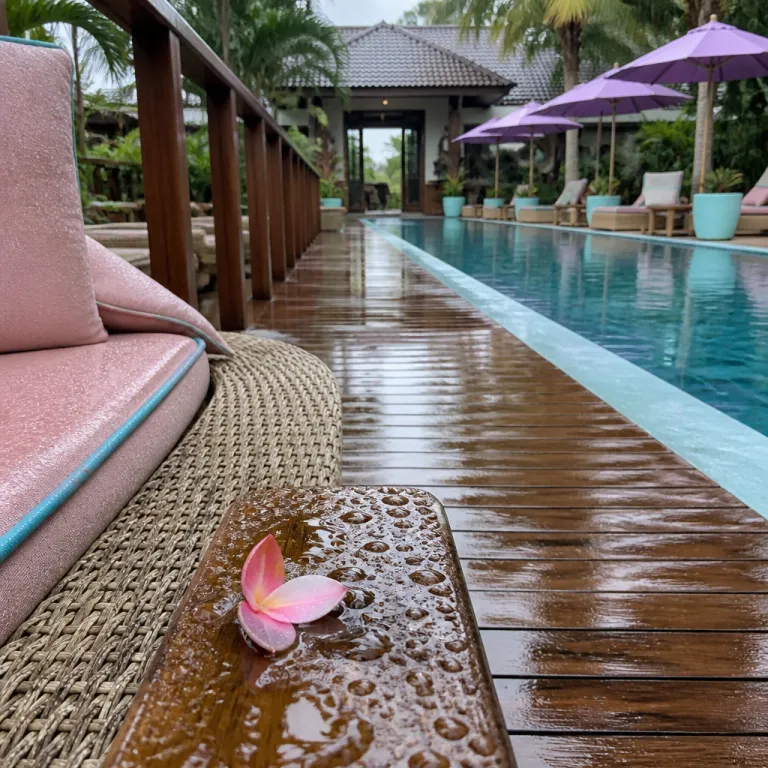
Reading indonesia wet season patterns like a luxury insider
Indonesia’s wet season does not arrive as one uniform curtain of rain across the archipelago. For a refined indonesia wet season travel guide, you need to think in bands of weather and shifting patterns rather than one monsoon wall. Families planning a premium trip indonesia can use these patterns to choose the best island for each day of their stay.
On western islands such as java and bali, the main rainy season usually runs from roughly November through March, with short, theatrical bursts of rain most afternoons rather than endless grey days. Those months bring higher rainfall and warmer night temperatures, yet mornings often stay bright enough for pool time, short hikes, or a calm boat visit to a nearby national park. In contrast, eastern indonesia, including raja ampat and parts of the Maluku islands, can be relatively dry during this same wet season, which makes them a strong option when you want to visit indonesia while avoiding the heaviest showers.
Think of the year as a series of overlapping seasons, not a simple dry season versus rainy season split. The classic best time for many travelers remains the july august window, when the dry season dominates bali, java, and bali lombok routes, but that is also when crowds and rates peak. A smart indonesia wet season travel guide helps you see how shoulder months such as late October or early indonesia january can offer softer indonesia weather, fewer people, and more attentive service at luxury properties that stay open year round.
When rain enhances the experience in bali, java, and beyond
Some destinations in indonesia become more atmospheric, not less appealing, once the wet season arrives. In upland bali, especially around Ubud, the first serious rainfall turns rice terraces electric green and sends waterfalls into full voice, which can be the best time for families to walk short jungle trails between showers. The right indonesia wet season travel guide will point you toward properties that lean into this mood with deep verandas, heated plunge pools, and staff who know exactly when to suggest a quick outing between bursts of rain.
On java, heritage cities such as Yogyakarta and Surakarta often feel more intimate on rainy days, when palace courtyards glisten and batik workshops become natural half day refuges. Luxury hotels here tend to expand their cultural programming during the rainy season, adding gamelan introductions, wayang kulit storytelling, and hands on cooking classes that keep children engaged while the weather indonesia does its dramatic work outside. If you are considering an urban base in Jakarta for part of your time travel through the archipelago, properties like those highlighted in this guide to Southgate apartments in Jakarta Selatan show how high rise living can feel cocooned and calm even on a stormy day.
Families often assume that a wet day ruins the trip, yet many luxury resorts in bali and java now design their daily schedules around the rhythm of the rain. Morning yoga or kids’ surf lessons happen during the typically drier early hours, while spa rituals, indoor playrooms, and chef led tastings fill the wetter mid afternoon. By evening, when the rainfall usually eases, you can still time a short visit to a nearby temple or beach, turning the wet season into a gently choreographed backdrop rather than a problem.
Choosing the right island for a family focused wet season stay
Picking the best island during the wet season in indonesia is less about chasing perfect weather and more about matching your family’s rhythm to each region’s pattern of rain. Bali remains the most popular choice, and for good reason, because even at the height of the rainy season bali still offers many dry hours each day for pool time, short excursions, and relaxed beach visits. When showers arrive, they tend to be intense but brief, which suits younger children who need clear structure to their days.
For families who want a quieter alternative, the java bali corridor can work beautifully during shoulder months, especially when you split your time between a cultural base on java and a coastal retreat on bali lombok routes. Properties along this axis often offer strong value during the wet season, with lower nightly rates and more flexible minimum stay rules than in july august. If you are considering a longer urban pause, this review of riverside living in Cikarang shows how a well located apartment style property on java can anchor a multi day itinerary, giving you space to wait out a heavy spell of rainfall in comfort.
Further east, raja ampat offers some of the most dramatic marine scenery in indonesia, and its wet season does not always align with bali’s pattern, which can make it an inspired choice for a second week of a longer trip indonesia. That said, families must pay close attention to sea conditions, because strong winds and rough water can make boat transfers challenging on certain days of the year. A reliable indonesia wet season travel guide will always flag when dive visibility drops or when specific months bring choppier seas, helping you decide whether to prioritise reef time or keep your focus on more sheltered islands.
Practical wet season strategies for luxury family bookings
Planning a premium family stay during the wet season in indonesia requires a slightly different mindset from a classic dry season escape. Instead of chasing the single best time to visit, think in terms of trade offs between crowd levels, indonesia weather, and the kind of indoor programming each property offers. Many high end resorts quietly agree that the most rewarding time visit can be the early or late edges of the rainy season, when staff have more time for personal touches and the landscape looks freshly washed each day.
From a budgeting perspective, the wet season often brings the best value for luxury travelers who are flexible with their months of travel. Room rates in bali, java, and other popular parts of indonesia typically dip outside the july august peak, and airlines sometimes adjust fares downward on key domestic routes, which can make a multi stop travel indonesia itinerary more realistic for families. When you read any hotel review during this period, use a guide such as our piece on how to interpret Indonesian hotel reviews so you can separate genuine feedback about wet season operations from one off complaints about a single rainy day.
Safety and comfort should still frame every decision, especially when planning boat transfers or remote excursions in the wet season. Pay attention to how a property describes its contingency plans for heavy rain, from indoor kids’ clubs to flexible activity scheduling and clear communication about indonesia weather disruptions. A thoughtful indonesia wet season travel guide will always remind you that while the dry season may be the default choice for many, a carefully planned wet season trip can deliver softer light, greener hillsides, and a level of attentive service that is harder to find when every room is full year round.
FAQ
Is the wet season a good time to visit indonesia with children ?
The wet season can be a very good time to visit indonesia with children if you choose your islands carefully and plan for flexible days. Bali and java usually have several dry hours each day even in peak rainy months, which allows for pool time and short excursions between showers. Many luxury properties also expand indoor activities during this period, offering kids’ clubs, cooking classes, and cultural workshops that keep younger travelers engaged when the rain is heavy.
How does indonesia weather change between dry season and rainy season ?
During the dry season, which typically spans roughly April to October in much of bali and java, you can expect lower humidity, less frequent rainfall, and slightly cooler night temperatures. The rainy season usually brings higher humidity, more intense but shorter bursts of rain, and greener landscapes, especially in upland areas. Eastern regions such as raja ampat may follow a different pattern, so always check local indonesia weather information for each destination on your itinerary.
What is the best time to combine bali, java, and bali lombok in one trip indonesia ?
The most popular period to combine bali, java, and bali lombok in one trip indonesia is often the july august window, when the dry season dominates and sea conditions are usually calmer. However, shoulder months at the start or end of the wet season can offer lower prices, fewer crowds, and more availability at premium properties. If you are comfortable with some rain, late October or early indonesia january can still work well, especially if you build in rest days and choose hotels with strong indoor facilities.
Should I avoid raja ampat during the wet season ?
You do not need to avoid raja ampat entirely during the wet season, but you should plan carefully around sea conditions and visibility. Some months bring stronger winds and rougher seas, which can affect boat transfers and certain dive or snorkel sites. Families who prioritise comfort over hardcore diving may prefer to visit during relatively calmer periods, while experienced divers might accept more variable weather in exchange for quieter sites.
How many days should I plan for a wet season stay in bali ?
For a wet season stay in bali, most luxury travelers with families find that seven to ten days strikes a good balance between relaxation and exploration. This length allows for a few fully rainy days without feeling that the trip has been compromised, especially if you split time between a cultural base such as Ubud and a coastal area. With that structure, you can enjoy both indoor experiences and outdoor excursions whenever the weather opens up.