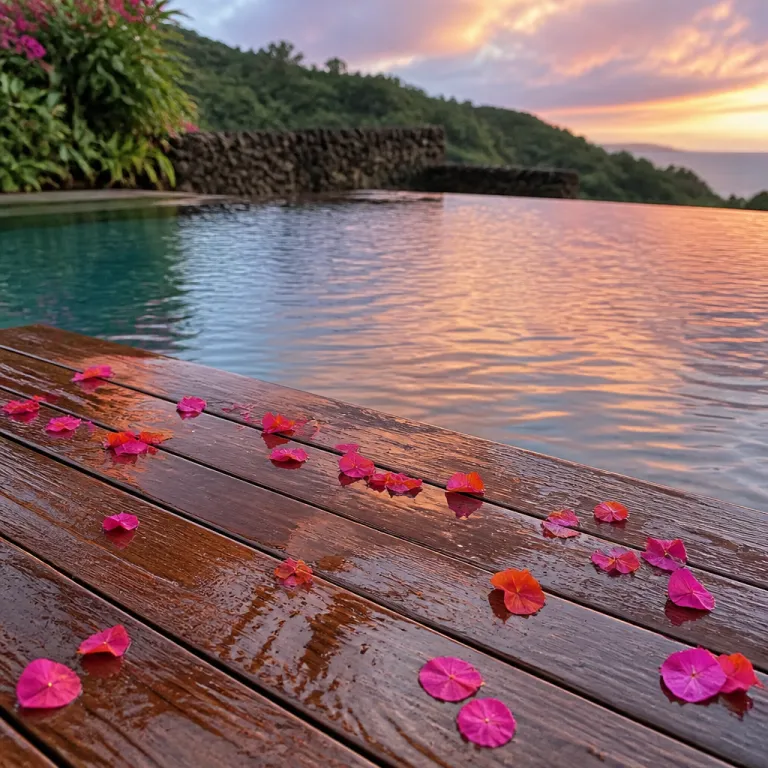
Understanding the rainy season for Bali and its luxury appeal
The rainy season for Bali reshapes the island’s rhythm yet keeps its charm. During this wetter period, Bali still offers warm temperatures, softer light, and quieter luxury resorts that appeal to discerning travelers. For many guests this is the best time to experience refined service, as staff have more time per guest and properties feel more intimate.
On this tropical island the main rainy season Bali pattern runs from November to March, when monsoon winds bring heavier rain and higher humidity. According to the Indonesian Agency for Meteorology, Climatology and Geophysics (BMKG), the average temperature during the rainy season is around 27 °C, which means the weather stays pleasantly warm for poolside relaxation and spa treatments. BMKG climate normals for Denpasar and Ubud show that understanding how each month and day behaves helps luxury travelers align their activities with the most comfortable sunshine windows.
Rainfall peaks in January and February, when monthly totals can reach around 300 mm in some areas, yet mornings often remain clear and bright. BMKG’s rainfall charts for Denpasar and Ubud indicate that showers typically cluster in the afternoon and evening, leaving earlier hours relatively dry. With fewer crowds, premium suites, villas, and penthouses often come with more attractive rates, especially when you plan your visit carefully around the wettest days.
How Bali weather shapes hidden luxury gems in the wet season
Luxury travelers often ask whether the rainy season for Bali hides or reveals the island’s finest stays. In reality the wet season Bali pattern transforms rice terraces, river valleys, and jungle ravines into lush green sanctuaries that feel tailor made for secluded villas and high end wellness retreats. When the rain falls in short bursts, the air turns cooler and the landscape around premium properties becomes intensely vivid.
In central Bali, weather conditions during the rainy season create misty mornings over Ubud’s ravines, where elevated villas with infinity pools overlook emerald rice fields. This is where a refined tropical escape such as a serene villa stay in Ubud feels especially atmospheric, as the sun shines through low clouds after early rain. Guests can enjoy long stretches of soft daylight ideal for yoga, spa rituals, and slow breakfasts while listening to the river below.
Along the coast, the Bali rainy pattern means some afternoons bring short, intense showers followed by clear skies that light up black sand beaches and dramatic cliffs. Luxury resorts in quieter areas such as east Bali or the north coast use this seasonal rhythm to curate flexible activities, from private cooking classes during wet hours to sunset cruises when the sky clears. One guest at a cliffside retreat described watching a storm roll past from a covered daybed, then heading out an hour later for a private, rainbow framed photo shoot on an empty beach. For travelers who appreciate mood, texture, and privacy, visiting Bali in the rainy months can feel like having the island almost to themselves.
Choosing the best time to visit Bali’s hidden gems in the rainy months
Planning the best time to explore hidden luxury stays during the rainy season for Bali starts with understanding how each month behaves. From November to March, the wet monsoon brings more frequent rain, yet the pattern usually concentrates showers in the afternoon or evening, leaving many mornings clear. This rhythm allows travelers to schedule outdoor activities early in the day and reserve spa or dining experiences for the wetter hours.
November marks the beginning of the main rainy season Bali cycle, with humidity rising but the island still relatively quiet before peak holiday crowds. Between November and April, luxury properties in less known areas such as Sidemen, Munduk, or the west coast often offer excellent value, especially for longer stays. By January and February, when rainfall is highest, guests who check weather forecasts daily can still enjoy several sunshine periods, particularly along the southern and eastern coasts.
For comparison, the dry season from roughly July to August is widely promoted as the best time to visit Bali, thanks to lower rainfall and slightly cooler, less humid weather. However, those dry season months also bring higher rates, busier pools, and fewer last minute upgrades than the quieter rainy months. Travelers who value refined seclusion may find that visiting Bali during the wetter months offers a better balance between warm temperatures, lush scenery, and attentive service, especially when paired with curated adventures from specialist partners such as Bali rental companies for adventure seekers.
Daily rhythm, rainfall, and activities during Bali’s rainy season
On a typical rainy season for Bali day, the island wakes up under clear or lightly clouded skies. As the morning progresses, humidity builds, and by mid afternoon short but intense rain showers often sweep across the landscape, especially in the interior. This pattern leaves generous windows of sunshine conditions for outdoor activities, while the wettest hours become ideal for indoor indulgence.
Luxury travelers can plan their visit around this rhythm by scheduling temple visits, rice terrace walks, or coastal drives early, then returning to their hotel for spa treatments or fine dining when the Bali rainy clouds gather. Many premium properties now coordinate with the Bali Meteorological Agency and encourage guests to check weather updates through apps or in room briefings. This practical approach to Bali weather allows concierges to adjust activities in real time, switching from a planned hike to a private cooking class or wine tasting when rainfall intensifies.
Even during the wet season, average hours of usable daylight remain generous, and the sun shines through breaks in the clouds more often than many first time visitors expect. Warm sea temperatures make coastal activities such as surfing, stand up paddleboarding, or snorkeling viable on many days, especially when local guides choose sheltered bays. For guests who enjoy a slower pace, the sound of rain on thatched roofs or private plunge pools becomes part of the luxury, turning each month of the rainy season into an opportunity for restorative calm.
Comparing rainy and dry seasons for luxury hotel bookings in Bali
When deciding between the rainy season for Bali and the drier months, luxury travelers should weigh more than just rainfall statistics. The dry season, especially July and August, offers lower humidity and fewer showers, yet it also brings higher occupancy, busier beaches, and more competition for the best suites. By contrast, the wet season Bali period from November to April often delivers quieter resorts, more personalized service, and better value for premium categories.
During the dry season, Bali weather tends to be more predictable, with many consecutive sunshine stretches and lower average rainfall, which suits guests who prioritize uninterrupted outdoor activities. However, this same predictability means that the best time slots for spa appointments, private dining, or yacht charters can book out weeks in advance. In the rainy months, concierges usually have more flexibility to arrange last minute experiences, from helicopter tours between showers to private yoga sessions timed around the day’s rain forecast.
Another factor is how the island itself feels in each season, as the wet months cloak rice terraces, waterfalls, and jungle valleys in a deep green that many guests find more photogenic than the drier landscape. Luxury travelers who enjoy exploring beyond Bali, perhaps combining their stay with refined surf led escapes in North Sumatra via curated options such as the Telo Islands refined stays, often choose the rainy season to avoid peak crowds. Ultimately, the best time to visit Bali depends on whether you value guaranteed dry days or the atmospheric charm and elevated privacy that come with the island’s rainy rhythm.
Practical planning for visiting Bali’s hidden gems in the rainy months
Thoughtful planning transforms the rainy season for Bali from a concern into an asset for luxury travelers. Start by aligning your preferred month with your priorities, whether that is the softer start of November, the lush peak of January and February, or the easing showers of March and early April. Each period within the broader rainy season Bali pattern offers a slightly different balance between rainfall, crowd levels, and pricing.
Before you visit Bali, consult the Bali Meteorological Agency or trusted weather apps to check weather trends for your chosen area, as microclimates vary between the south coast, central highlands, and north shore. Denpasar, for example, may experience a short afternoon storm while a resort in Ubud enjoys a longer sunshine window, or vice versa. Many high end hotels now provide daily briefings that summarize expected rainfall, average hours of sunshine, and suggested activities for both wet and dry parts of the day.
Packing for visiting Bali in the wet season is straightforward when you focus on light, quick dry fabrics, a compact rain jacket, and waterproof footwear for temple visits or jungle walks. Because the weather stays warm, heavy layers are unnecessary, yet a light shawl or long sleeve shirt can be useful in air conditioned spaces after a rain cooled evening. With this preparation, the island’s rainy character becomes part of the experience, enhancing spa rituals, private dining, and quiet hours on your terrace as the rain falls softly around you.
Safety, comfort, and wellness during Bali’s rainy season stays
Safety and comfort remain central concerns for luxury travelers considering the rainy season for Bali, and the island’s infrastructure has evolved to address them. Local government, tourism boards, and emergency services work with the Bali Meteorological Agency to monitor rainfall, maintain drainage, and issue advisories when necessary. This coordinated approach helps minimize flood risks and keeps key resort areas accessible even during heavier rain.
Within high end properties, design choices often reflect the realities of the wet season Bali climate, with elevated walkways, covered lounges, and well drained pool decks that remain usable on rainy days. Many resorts schedule wellness activities such as yoga, meditation, and spa treatments during the wettest hours, turning potential downtime into restorative rituals. Guests are encouraged to check weather updates each day so that outdoor activities can be shifted to the most favorable sunshine windows, while indoor experiences fill the remaining time.
From a wellness perspective, the combination of warm temperatures, fresh post rain air, and quieter public spaces can be deeply rejuvenating. The sound of rain on palm leaves, the sight of mist rising from rice terraces, and the slower pace of the season’s rhythm all contribute to a sense of retreat. For travelers booking luxury and premium hotels, this wet season atmosphere often becomes the defining memory of visiting Bali, proving that the island’s charm extends far beyond its dry season months.
Key figures for Bali’s rainy season and luxury travel
BMKG climate summaries for Bali show that the monsoon months combine warm temperatures with concentrated showers rather than continuous rain. The table below uses BMKG data for Denpasar and central Bali as a practical guide for luxury travelers planning stays around the island’s microclimates.
| Month | Average Rainfall (mm) | Typical Pattern |
|---|---|---|
| November | 150–200 | Start of wet season, more showers, many clear mornings |
| December | 200–250 | Humid, frequent afternoon rain, lush landscapes |
| January | 250–300 | Peak monsoon, short intense downpours, bright breaks |
| February | 250–300 | High rainfall, many usable morning activity windows |
| March | 150–200 | Showers easing, transition toward drier conditions |
- The Bali Meteorological Agency (BMKG) reports an average temperature of about 27 °C during the rainy season, which keeps conditions warm enough for swimming pools and open air dining throughout the year.
- Average rainfall in January reaches around 300 mm in many parts of the island, yet showers often arrive in short bursts, allowing several usable activity windows each day.
- The main rainy period typically runs from November to March, with December to February bringing the most intense rain, while March usually sees a gradual decrease in rainfall.
- Luxury travelers who choose the rainy months often benefit from lower occupancy rates compared with July and August, which can translate into better suite availability and more personalized service.
- Increased use of weather apps and advanced meteorological models has improved short term forecasts, helping hotels schedule activities around wet and dry intervals more accurately than in previous decades.
FAQ about Bali’s rainy season for luxury and premium stays
Is it worth visiting Bali during the rainy season for a luxury trip ?
Yes, mornings are often clear, and there are fewer tourists. For luxury travelers this means quieter pools, more attentive service, and better chances of suite upgrades, especially in secluded villas and high end resorts. The landscape is also at its greenest, which enhances views from cliffside and jungle properties.
What should I pack for Bali’s rainy season when staying in premium hotels ?
Light raincoat, waterproof footwear, and quick dry clothing. Add a compact umbrella, a dry bag for electronics during transfers, and breathable fabrics suitable for warm, humid weather. Most luxury hotels provide umbrellas and sometimes even loaner rain gear, so focus on comfortable resort wear that dries quickly after showers.
Are outdoor activities possible during the rainy season for Bali guests ?
Yes, especially in the mornings before afternoon showers. Many hotels schedule guided walks, temple visits, and water based activities early in the day, then shift to spa treatments or culinary experiences when rain is more likely. With flexible planning and local guidance, most itineraries remain rich in outdoor experiences even in the wet months.
How does the rainy season affect transport and access to hidden luxury areas ?
Major roads between Denpasar, Ubud, and key resort zones generally remain accessible, though occasional heavy rain can slow travel times. Drivers and transfer services are accustomed to adjusting routes around localized flooding or roadworks. When heading to more remote valleys or coastal enclaves, your hotel concierge will usually check weather and road conditions before confirming excursions.
Which part of the rainy season is the best time to visit Bali for value and comfort ?
Early in the season, around November, and later around February and March, often offers a good balance between manageable rainfall, lower crowd levels, and attractive rates. These shoulder months within the broader rainy period still provide many sunshine intervals, especially in the mornings. Guests willing to be flexible with daily plans usually find these months ideal for combining value with comfort in luxury settings.