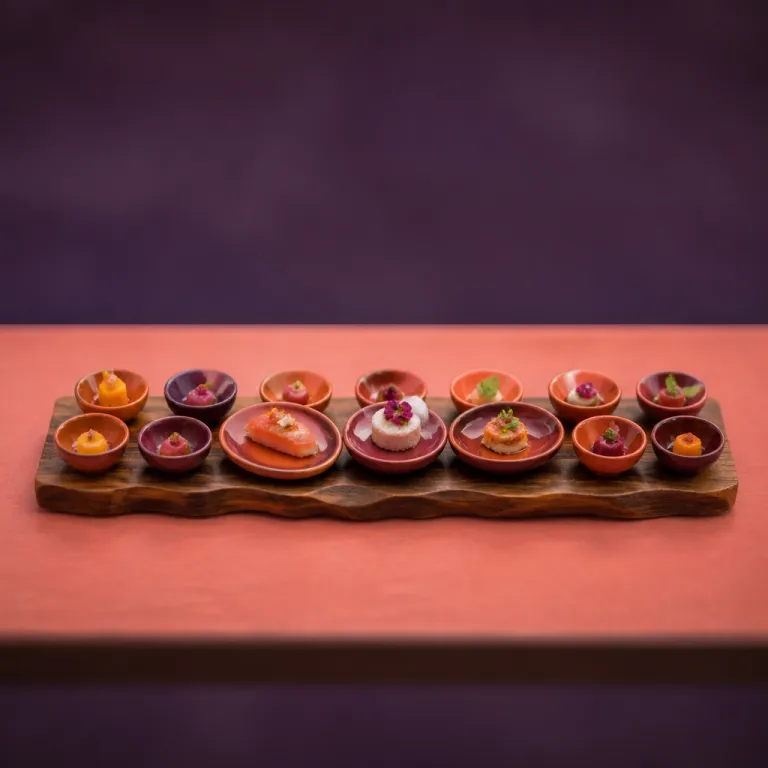
How ubud fine dining 2026 quietly became Indonesia’s sharpest table
Ubud has shifted from yoga cafés to a serious dining destination. In a compact radius of rice terraces and temple courtyards, a dozen dining restaurants now set the benchmark for fine experiences in Bali and beyond. For couples planning a luxury stay, Ubud fine dining in 2026 is no longer a side activity; it is the reason to book the trip and then choose the hotel around the restaurant.
At the top of this culinary evolution sit three names that every serious diner now knows. Locavore NXT, relaunched in late 2023 by chefs Eelke Plasmeijer and Ray Adriansyah as the successor to the original Locavore, leads the charge with a tasting menu that treats every course as a study in hyper local produce, while Imamura at Kimpton Naranta Bali reframes Japanese precision through an Indonesian lens under chef Masashi Imamura. Alongside them, Mozaic Restaurant Gastronomique in Ubud, founded by chef Chris Salans in 2001, continues to refine its course menu format, proving that a long running dining room can still feel like the best restaurant in town when the menus keep evolving.
These tier one dining restaurants have changed how guests think about price and value. A full course tasting with wine pairing in Ubud now often runs from around 1,500,000 to 3,000,000 IDR per person, a range broadly in line with recent listings on leading reservation platforms and hotel concierge guides, yet the experience feels justified when each dish tells a clear story about Bali, Java or the wider Nusantara region. For travelers using a premium hotel booking website, the smart move is to lock in these restaurants Ubud reservations first, then filter properties by distance, transfer options and late night room dessert service.
Locavore NXT and the rise of hyper local tasting menus
Locavore NXT is the restaurant that crystallised Ubud fine dining 2026 into a coherent movement. Officially, “What is Locavore NXT?” and “A restaurant in Ubud focusing on hyper-local tasting menus.” sit side by side in every serious guide, and that focus on the tasting menu format has reshaped expectations for dining Ubud wide. Here, each course tasting sequence is built around a single idea: fermentation, forgotten greens, or a rarely seen Indonesian spice.
The team’s culinary language is firmly rooted in Nusantara traditions, but the execution feels as sharp as any Michelin starred room in Singapore or Tokyo. Expect long, thoughtful tasting menus where the price in IDR reflects not only the ingredients but also the research, the fermentation labs and the partnerships with local farmers and foragers. A typical experience runs eight to twelve courses, with optional wine pairing or zero proof pairing that highlights local fruits and botanicals. For couples, the best strategy is to book the earliest dining room seating, then return to a nearby villa for a quiet swim and a final glass from the wine pairing list.
Locavore NXT’s influence now extends across many dining restaurants in Ubud, from ambitious mid tier spots to hotel based kitchens experimenting with their own course menu ideas. As one Ubud sommelier puts it, “Guests arrive asking how local the menu really is, and that question starts with Locavore.” If you want to understand how a modern Indonesian tasting menu reads, start with a deep dive into a specialist guide to tasting menus at Locavore NXT and Jakarta’s August on myindonesiastay.com, which draws on chef interviews and current menu examples. That context makes it easier to compare menus, judge which restaurants Ubud are pushing hardest, and decide whether you prefer a long fine dining arc or a shorter, sharper culinary experience.
Imamura, Mozaic and the new benchmark for destination dining
Imamura at Kimpton Naranta Bali is the clearest signal that Ubud fine dining 2026 has entered a new phase. Here, chef Masashi Imamura works with state of the art kitchens and a tight network of fishermen and farmers to create a Japanese leaning course menu that still feels rooted in Bali. The omakase style dining experience is intimate, with a small dining room where every seat has a direct view of the counter and the choreography of each course.
Mozaic Bali, by contrast, feels like a garden pavilion dedicated to long form culinary storytelling. The restaurant’s menus move between Indonesian flavours and broader European techniques, often within the same sequence of dishes, and the wine pairing program remains one of the best in Bali for guests who want to explore beyond the usual labels. A classic evening might open with canapés in the lounge before moving to a six or eight course tasting menu under the trees. For many travelers, these two restaurants define what “destination dining restaurants” mean in Indonesia; you book the flight, then you build the rest of the itinerary around the reservation.
On a practical level, both Imamura and Mozaic sit in that upper tier where price, service and expectation align with serious international dining. Expect multi course tasting menus priced in the higher IDR brackets, often between 1,800,000 and 3,500,000 IDR per person before drinks, ranges that broadly match recent sample menus published by the restaurants and major hotel partners, but also expect staff who can adjust pacing if you are coming from a spa session or a late check in at your hotel. For a deeper look at how these houses now anchor the hierarchy of best restaurants in Ubud, the long form analysis of hotel restaurants worth a flight on myindonesiastay.com is essential reading before you commit to dates.
The twelve tables that define Ubud right now
Talk to chefs and sommeliers in Ubud and a consensus emerges around a core group of twelve tables. At the top, Locavore NXT, Imamura and Mozaic Bali form the tier one axis of Ubud fine dining 2026, each offering a distinct dining experience that justifies a dedicated night and a careful look at the course tasting structure. These are the places where the dining room feels like a stage, the menus read like essays, and the best seats vanish weeks ahead.
Tier two is where serious mid fine restaurants sharpen the scene without the same level of theatre. Aperitif, Hujan Locale and Bridges sit in this band, offering refined dining Ubud evenings with strong Indonesian influences, thoughtful wine pairing options and a price point that feels more flexible for longer stays. Aperitif’s grand colonial style room, Hujan Locale’s produce driven plates and Bridges’ ravine side terraces all show how different the same town’s fine dining can feel. They may not carry a Michelin starred label, but they often deliver the kind of quietly confident service and dishes that seasoned travelers value more than a plaque on the wall.
Tier three is the worth knowing layer that completes the picture. Room 4 Dessert, Cascades and a rotating cast of smaller dining restaurants offer focused menus, strong pastry programs and the kind of late night room dessert options that pair well with a private pool villa. Names like Syrco BASÈ, Liap by Par and Blanco par Mandif also enter the conversation, whether as stand alone restaurants Ubud or as reference points for how Indonesian chefs are thinking about fine dining and course menu design across Bali.
Booking windows, hotel pairings and a two night template
Securing the right tables in Ubud fine dining 2026 requires the same discipline as booking peak season villas. For tier one restaurants, aim to reserve at least four to six weeks ahead, especially if you want prime dining room seats or a specific tasting menu with full wine pairing. During Christmas, New Year and major school holidays, some guests book two to three months in advance, a pattern echoed in booking window data shared by luxury travel agencies and hotel concierges. Tier two and three dining restaurants are more forgiving, but couples visiting during major holidays should still lock in at least one dining experience before arrival.
The smartest way to align hotels with restaurants is to think in walking or short transfer radiuses. Kimpton Naranta Bali naturally pairs with Imamura, while properties near central Ubud work well for Locavore NXT, Mozaic and several of the best restaurants that cluster along the main ridge. One sommelier jokes that the perfect evening is “five minutes in a car, three hours at the table.” If wellness is part of your plan, consider reading a specialist guide to navigating a Bali spa menu on myindonesiastay.com, then schedule treatments earlier in the day so you arrive at dinner alert, hungry and ready for a long course tasting arc.
For a two night template, treat the first evening as your deep dive into Indonesian fine dining, perhaps at Locavore NXT or Mozaic with the full tasting menus and wine pairing. The second night can then pivot to a slightly looser format at Aperitif, Bridges or Room 4 Dessert, where price points in IDR are softer and you can order à la carte dishes or a shorter course menu. Across both nights, remember that “Who is Imamura?” and “A chef known for innovative Japanese cuisine in Ubud.” is not just a line in a guide; it is a reminder that the right chef, in the right room, can define an entire trip.
FAQ
What is Locavore NXT and why does it matter in Ubud ?
Locavore NXT is a restaurant in Ubud focusing on hyper local tasting menus that explore Indonesian ingredients with modern techniques. Its influence on Ubud fine dining 2026 is significant because many younger chefs now model their course menu structures and sourcing philosophies on its approach. For travelers, it represents one of the clearest expressions of contemporary Nusantara cuisine in Bali.
How far in advance should I book top dining restaurants in Ubud ?
For tier one restaurants such as Locavore NXT, Imamura and Mozaic Bali, aim to reserve at least one month before your trip, especially for weekend or holiday dates. In peak periods, a six to eight week lead time gives you the best chance of securing preferred time slots, a guideline echoed by many hotel concierge teams and premium booking services. Tier two and three restaurants Ubud, including Aperitif, Hujan Locale, Bridges and Room 4 Dessert, can sometimes accommodate shorter notice, but prime times still fill quickly. Using a luxury hotel booking website that offers concierge support can help secure last minute seats or waitlist options.
What should I expect to pay for fine dining in Ubud in IDR ?
Multi course tasting menus at the top tier often range into several million IDR per person, especially when you add wine pairing or premium ingredients. As a broad guide, many fine dining restaurants charge between 1,200,000 and 3,500,000 IDR per guest for food, with pairings adding a further 700,000 to 1,500,000 IDR, figures that align with recent sample menus and price indications published by leading Ubud venues. Mid tier dining restaurants with fine ambitions usually offer more flexible menus, with both à la carte dishes and shorter course tasting options at lower price points. Always check whether tax and service are included in the listed price when comparing restaurants in Bali.
Are there good options for Indonesian focused menus, not just international cuisine ?
Yes, many of the best restaurants in Ubud now build their menus around Indonesian flavours and Nusantara regional dishes. Locavore NXT, Mozaic and Hujan Locale all integrate local produce, spice pastes and traditional techniques into their course menu designs. Even Japanese leaning Imamura often references Bali and wider Indonesian ingredients in its dining experience, from line caught fish from local waters to seasonal tropical fruit in dessert courses.
How do I choose a hotel that matches my dining plans in Ubud ?
Start by mapping your priority restaurants, then look for luxury properties within a short drive or comfortable walk of those addresses. Hotels near central Ubud work well for Locavore NXT, Mozaic, Bridges and several other dining restaurants, while Kimpton Naranta Bali is ideal if Imamura is your main target. When using a premium booking platform, filter by concierge quality, late night room dessert options and reliable transfers to ensure the dining room remains the focus, not the logistics.