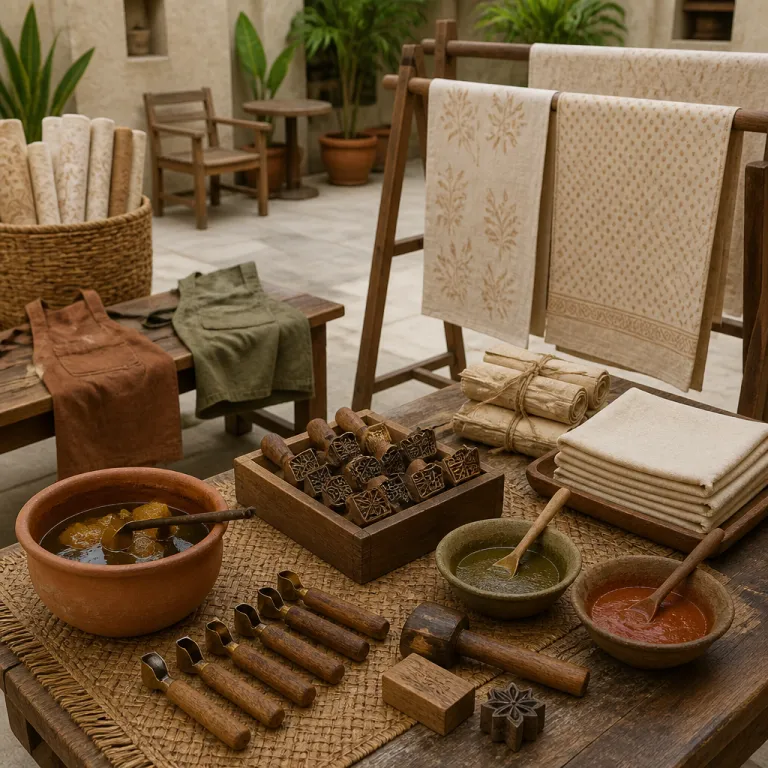
Why an indonesia batik workshop experience belongs in a luxury family itinerary
Batik in Indonesia is not just fabric ; it is a living art form woven into ceremonies, court etiquette and everyday dress. For families booking luxury hotels, an indonesia batik workshop experience turns a beautiful textile into a tactile story, where each guest can learn how wax, dye and hand drawn lines carry centuries of meaning. When a property curates thoughtful batik workshops, the experience shifts from quick souvenir shopping to a few focused hours of cultural immersion that children and adults remember long after the infinity pool fades.
Across Indonesia, especially in Java and Bali, traditional batik has been recognised by UNESCO as Intangible Cultural Heritage, with indonesian batik styles from Yogyakarta, Solo and coastal towns each guarding distinct motifs and color palettes. A well designed batik workshop inside or near a premium hotel lets families compare these regional signatures, then try batik making themselves under the patient eye of local artisans who treat the process as both craft and quiet meditation. For parents wary of forced fun, this is one cultural activity where the hands batik rhythm, the warm wax and the visible progress keep even younger children engaged without a language heavy explanation.
Luxury properties that take culture seriously now weave at least one batik class into their weekly art workshops schedule, often pairing it with gamelan music, Javanese dance or culinary sessions. The best hotels in Yogyakarta or Ubud will arrange private batik workshops in nearby village studios, complete with a driver tour, refreshments and flexible hours so families can balance pool time with creative making. When you evaluate a hotel’s cultural programme, look for specific references to batik painting, hand drawn motifs and traditional batik processes rather than vague promises of generic art activities.
Java’s heartlands: Yogyakarta, Solo and the villages where batik still breathes
Yogyakarta remains the most rewarding base for a deep indonesia batik workshop experience, especially for families staying in luxury hotels clustered near the Kraton and Malioboro. Here, traditional batik is still tied to royal court rituals, and a short driver tour from your hotel can bring you to village workshops where the process making each cloth is explained step by step. Many high end properties maintain close relationships with specific batik workshops, so the concierge can secure small group sessions that feel intimate rather than production line.
In these Yogyakarta studios, you will see artisans guiding guests through batik making that starts with sketching motifs, then applying hot wax with a canting to create hand drawn lines that resist dye. Children often gravitate to batik painting on pre outlined cloths, while adults may prefer to create batik from scratch, tracing parang or kawung patterns that echo the city’s royal heritage. Expect two to three hours for a full batik class, including time for the wax to set, the dye baths and the final reveal when the wax is removed to show the intricate art batik design beneath.
Solo and nearby villages such as Laweyan and Kauman offer a slightly quieter, more residential version of the same cultural immersion, with family run batik workshops operating from traditional houses. Luxury travelers often arrange a private tour that combines these neighbourhoods with a stop at a heritage gallery, which helps children connect the batik workshops they just tried with museum quality pieces. For families interested in broader ritual culture, pairing these textile focused days with a ceremony oriented journey, such as the traditions explored in this guide to ceremonies still worth reshaping a trip around, creates a powerful narrative of Indonesia beyond the beach.
Bali and Ubud: from resort studios to authentic balinese village ateliers
Bali approaches batik differently from Java, blending Hindu symbolism, lush color and a relaxed island tempo that suits families on holiday. In Ubud, many luxury resorts host in house art workshops where guests can learn basic batik painting in open air pavilions overlooking rice terraces, with staff quietly managing the wax and dyes so children can focus on the fun parts. These sessions are ideal first steps, but the most rewarding indonesia batik workshop experience in Bali usually happens when you leave the resort bubble for an authentic balinese village studio.
Several Ubud area villages specialise in balinese batik, and hotel concierges can arrange a driver tour that includes a morning batik workshop, a temple visit and a slow lunch with a view. Families typically spend two to three hours in these village workshops, moving from a short explanation of traditional batik motifs to hands batik practice on small cloths that are easy to pack. Younger children often choose free form art batik patterns, while teenagers and adults may try making batik with more complex, hand drawn designs that echo local flora, fauna and mythological figures.
Some of Bali’s most thoughtful luxury properties now integrate batik making into broader cultural programmes that also feature shared meals, such as the communal feasts described in this look at what a Balinese megibung actually looks like at a luxury property. When batik workshops sit alongside rituals, food and music, families gain a layered understanding of how art, ceremony and daily life interlock in Bali. If your hotel offers both in house art workshops and excursions to external batik workshops, I highly recommend choosing at least one village based session to balance resort comfort with genuine cultural contact.
Inside the process: what actually happens in a family friendly batik class
Understanding the process making batik helps you choose the right level of depth for your family, especially when balancing pool time and attention spans. A typical indonesia batik workshop experience begins with a short introduction to indonesian batik history, followed by choosing a design and tracing it lightly onto cotton or silk. Children often start with simpler batik painting templates, while adults may opt to create batik patterns inspired by Yogyakarta courts, coastal Pekalongan florals or balinese batik foliage.
Once the outline is ready, the real magic begins with wax, heated in small pots and applied using a canting for fine, hand drawn lines or a cap stamp for repeating motifs. In a well run batik class, each guest receives close guidance on how to hold the tool, control the wax flow and avoid drips, turning the activity into a calming, almost meditative art form. After the wax sets, the cloth moves through one or more dye baths, then is dried and finally boiled or ironed to remove the wax, revealing the layered colors that make traditional batik so compelling.
Families should plan at least two to three hours for meaningful batik workshops, especially if several dye colors are involved or if you are working on larger pieces. Some hotel programmes offer shorter, one hour tasters where most of the process making is pre prepared, which can be useful for very young children or tight itineraries. When reviewing hotel descriptions, look for clear mentions of full length batik workshops, the use of natural dyes, and whether you can take your finished art batik piece home free of extra charges.
Choosing the right hotel programmes: what luxury families should look for
Selecting a hotel for an indonesia batik workshop experience means reading beyond the spa menu and the kids club brochure. Properties that treat batik as a serious cultural pillar usually name specific partner studios, mention whether classes focus on hand drawn techniques, and clarify if sessions are private or shared with outside guests. For families, the ideal setup is a small group batik workshop with flexible hours, clear safety measures around hot wax and dyes, and staff who understand how to pace the activity for different ages.
In Java and Bali, many high end hotels now bundle batik workshops into wider cultural or longevity themed stays, sometimes alongside wellness activities and slow travel excursions ; this broader context can be valuable if you want a trip that feels restorative as well as educational. When comparing offers, look for programmes that balance structured workshops with unhurried time in the village or city, similar in spirit to the reflective stays outlined in this guide to longevity programmes in Indonesia without the marketing gloss. A good concierge will also arrange a driver tour that links your batik class with visits to galleries, markets and lesser known neighbourhoods, turning a single workshop into a full day of layered experience batik encounters.
Families should also pay attention to practicalities such as whether materials are included free of extra fees, how long finished pieces take to dry, and whether the hotel can ship larger works if you are moving on quickly. Some properties offer multi day art workshops where guests can learn different techniques, from making batik with natural dyes to combining batik with other Indonesian crafts, which suits longer stays. When a hotel invests in these programmes with the same care it gives to its suites and restaurants, you can trust that your batik workshops will be more than a token activity and instead become a highlight of your time in Indonesia.
FAQ
How long does a typical family batik workshop take in Indonesia ?
Most family friendly batik workshops in Indonesia last between two and three hours, which allows time for design, wax application, dyeing and drying. Some hotels offer shorter, one hour tasters where parts of the process are pre prepared, but these give a lighter introduction. For a fuller indonesia batik workshop experience, especially with older children, aim for at least a half day including transfers.
Is a batik class suitable for young children ?
Batik classes can work well for children as young as six, provided the studio or hotel adapts the activity with simpler designs and close supervision around hot wax. Many places offer batik painting on pre outlined cloths, which lets younger guests focus on color rather than precise hand drawn lines. Always check in advance how the workshop handles safety and whether parents need to assist throughout.
Should I book a batik workshop through my hotel or directly with a studio ?
Booking through a luxury hotel often ensures vetted partners, a reliable driver tour and clear communication about timing and inclusions. Going direct to a village studio can sometimes offer more flexibility on price and customisation, especially for repeat visitors who already know the area. For first time family travelers, arranging the indonesia batik workshop experience via the concierge usually provides the smoothest logistics.
What should we wear and bring to a batik making session ?
Wear comfortable clothes that you do not mind staining, as dyes and wax can occasionally splash despite aprons. Closed shoes are sensible in studios where hot wax is used, and light cotton works best in Indonesia’s tropical climate. Bringing a small bag or tube to carry your finished batik safely is helpful, especially if it needs extra drying time back at the hotel.
How can I tell if a batik piece is genuinely hand drawn and traditional ?
Genuine hand drawn batik usually shows slight irregularities in the lines, visible wax dots and color variations on both sides of the cloth, unlike machine printed fabrics that look flat and uniform. Traditional batik from regions like Yogyakarta or Solo often follows established motifs and uses more muted, layered tones, while cheaper reproductions may appear overly bright with blurry edges. When in doubt, ask the workshop or gallery to explain the process used for each piece and whether it qualifies as indonesian batik made by hand.