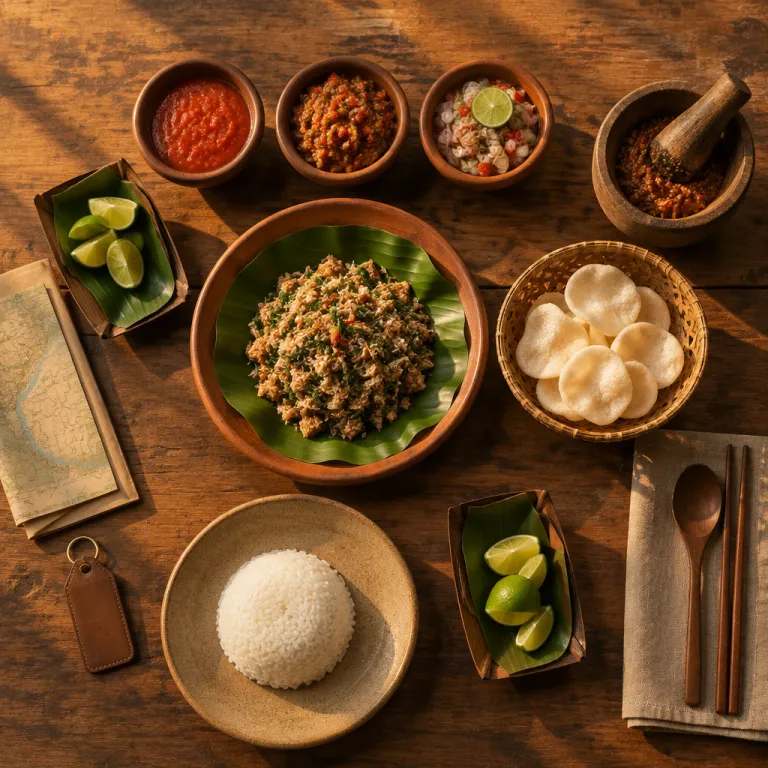
The shift from white tablecloths to the bali warung next door
Step into any serious luxury hotel in Bali and the concierge desk now holds as much power over your plate as the executive chef. The most switched on teams quietly curate a bali local food warung experience, steering guests toward humble addresses where the sambal is fierce, the rice is fragrant and the welcome from locals feels disarmingly genuine. For many solo travelers, that first walk beyond the gate to eat at a small warung becomes the moment when a polished resort stay turns into a real relationship with Bali.
Understanding what a warung actually is helps you read those discreet recommendations with confidence. A traditional warung in Indonesia is a compact, family run food counter or café, usually with a few plastic stools, a glass display of dishes and a hand written board listing prices in IDR and sometimes a rough IDR USD conversion. These warungs in Bali are where local families eat daily, where the nasi is cooked in the back kitchen, where babi guling trays arrive from a specialist roaster and where the rhythm of island life plays out between breakfast and late night snacks.
Luxury concierges now talk as fluently about the best warungs as they do about tasting menus. They know which bali warungs serve consistently good nasi campur, which warung Bali is safest for guests nervous about Bali belly and which food warungs stay open late enough for arrivals from long haul flights. When you ask where to eat, the most honest answer is rarely the hotel buffet style spread ; it is a short list of bali warung addresses where you can eat warungs side by side with locals and feel that your travel choices support the community rather than just the resort.
How a bali local food warung experience actually works
For first time visitors, the choreography of ordering at a warung Indonesia can feel opaque, especially after years of polished hotel dining. In most warungs Bali wide, you approach the counter, point to the dishes you want, and the staff will build your plate of rice, vegetables, sambal and proteins while you watch. This is where a good concierge earns their reputation, because they will quietly brief you on what to expect so you can eat like locals without hesitation.
Many bali warungs operate in a loose buffet style format, with trays of Indonesian food laid out behind glass and a steady flow of regulars dropping in to eat and go. You might choose a mound of white rice or red rice, a spoonful of lawar, a slice of babi guling, some sautéed greens and a ladle of mild curry, creating your own version of nasi campur in seconds. In the best warungs, the food is turned over quickly, the dishes stay hot and the prices remain astonishingly good compared with any luxury hotel plate.
Concierges at properties that take gastronomy seriously now map these experiences as carefully as they plan a private megibung style feast, the communal Balinese banquet explored in depth in our guide to what a Balinese megibung actually looks like at a luxury property. They will suggest specific warungs Canggu side for surfers, a quieter warung Bali inland for guests staying near rice terraces, or a cluster of food warungs close to temples for those timing meals around ceremonies. Ask them not just where to find the best warungs, but also which time of day to eat warungs style for the freshest dishes and the most interesting crowd.
Signature Balinese dishes worth leaving the resort for
The real reason concierges send you to bali warungs is simple ; the island’s defining dishes rarely taste as vivid inside hotel walls. Lawar, the minced meat and coconut salad perfumed with local spices and fresh blood in its most traditional form, needs to be eaten where turnover is high and the cooks have made it the same way for decades. When you sit at a small table surrounded by locals, that first bite of lawar with warm rice and a spoon of sambal tells you more about Bali than any room amenity ever could.
Babi guling, the famous Balinese suckling pig, is another benchmark for any bali local food warung experience, and concierges know exactly which roadside spots handle it best. A typical plate in these bali warungs will include crisp shards of skin, tender babi meat, a spoonful of lawar, a ladle of rich gravy and a generous scoop of nasi, all for a price that makes hotel pork dishes look theoretical. Order a sweet iced tea, sit back, and you will quickly understand why thoughts warungs dominate conversations among repeat visitors who travel for food.
Not every guest eats pork, and the concierge will also point you toward warungs Bali wide that specialise in grilled fish, vegetarian nasi campur or sate lilit made from minced seafood. These Indonesian food plates are often served buffet style, with staff assembling your selection over rice while you watch, and they are a safe eat option when you follow basic hygiene guidance. If your itinerary extends beyond Bali to Java or Lombok, ask for recommendations that echo this spirit, then read our ceremony focused guide to Sumbas Pasola, Toraja’s funerals and the ceremonies still worth reshaping a trip around to align your meals with local ritual calendars.
Hygiene, Bali belly and how top hotels de risk local eating
Every concierge in Indonesia knows the unspoken fear behind your questions about warungs ; nobody wants their trip derailed by Bali belly. The best properties address this directly, curating a shortlist of bali warungs that maintain strong hygiene practices, high food turnover and transparent kitchens where you can literally see how the dishes are handled. They will tell you which food Bali spots are a safe eat choice, and which to avoid if your stomach is still adjusting after a long flight.
Practical steps matter more than anxiety, and luxury hotels quietly coach guests on how to eat warungs style with confidence. Choose busy warungs where locals eat in visible numbers, prioritise cooked to order dishes over food that has been sitting, and favour nasi, grilled meats and vegetables that arrive piping hot. Many concierges also suggest that guests arrange comprehensive travel insurance before they arrive in Bali, not because warungs are inherently risky, but because any travel that involves new food cultures carries a baseline of uncertainty.
From a financial perspective, the gap between warung prices and hotel restaurant bills is striking, and it shapes how often guests are willing to experiment. A generous plate of Indonesian food at a warung Indonesia might cost the equivalent of only a few USD when you convert the IDR USD rate, while a resort main course can be ten times that. When concierges encourage you to find the best warungs, they are not just chasing authenticity ; they are acknowledging that value, culture and good food intersect most clearly at the small tables where locals eat every day.
Beyond Bali: warung culture across the archipelago
Once you have settled into the rhythm of a bali local food warung experience, it becomes easier to read similar spaces across Indonesia. In Yogyakarta, for example, a modest warung Indonesia might specialise in gudeg, the slow cooked jackfruit stew served with rice, tofu, egg and a slick of chili that locals line up for before work. Solo has its own warungs where nasi liwet, a coconut infused rice dish with shredded chicken and savory broth, anchors the menu and shows how regional Indonesian food shifts subtly from island to island.
Lombok brings a different heat, both in its climate and on the plate, and concierges there will often send guests to small warungs for ayam taliwang, the island’s fiercely spiced grilled chicken. These bali warungs equivalents operate with the same buffet style trays and plastic stools, but the dishes lean toward smoky flavors and sharper sambal, giving seasoned travelers a new set of best warungs to seek out. If your itinerary includes remote islands or even a liveaboard voyage, our guide to chartering a phinisi with kids explains how to balance onboard catering with shore based food warungs when you anchor near villages.
Across the archipelago, the pattern repeats ; locals gather at warungs, travelers follow, and concierges quietly map the addresses that align with their standards. Whether you eat warungs style in Canggu, Yogyakarta or Lombok, the same principles apply for a safe eat experience and a fair sense of prices. You will find that your thoughts warungs evolve from nervous curiosity to confident appreciation as you realise that these small dining rooms are the real dining rooms of Indonesia, not just a side note to luxury travel.
How to brief your concierge and read their recommendations
To turn a generic suggestion into a tailored bali local food warung experience, you need to brief your concierge with the same clarity you would use for a private tour. Share your comfort level with spice, your dietary boundaries, and whether you are more interested in Canggu surf side warungs or a quiet warung Bali near rice fields where locals linger over coffee. The more specific you are, the easier it becomes for them to match you with food Bali spots that feel both adventurous and aligned with your tastes.
When a concierge hands you a list of bali warungs, read it as a coded document shaped by their own expertise and risk tolerance. A recommendation for warungs Canggu side that are always busy with both locals and visitors usually signals strong hygiene and consistently good dishes, while a note about a particular nasi campur stall might indicate a personal favorite where they eat on their own days off. Ask explicitly about safe eat practices, typical prices in IDR and an approximate IDR USD range so you can judge value without pulling out your phone at the table.
Over time, you will start to build your own map of best warungs, layering your experiences over the concierge’s initial guidance. You might find that a small warung Indonesia near your hotel serves the most memorable babi guling of your trip, or that a cluster of food warungs behind a temple becomes your default lunch stop between excursions. Those evolving thoughts warungs are part of the pleasure of slow travel in Indonesia, and they are exactly why the smartest concierges now send you outside the gate rather than back to the buffet style line.
FAQ
Is it safe to eat at warungs in Bali if I stay in a luxury hotel ?
Yes, it can be safe to eat at warungs in Bali, especially when you follow recommendations from a trusted concierge who knows which places maintain strong hygiene. Choose busy spots where locals eat, prioritise freshly cooked dishes and avoid food that has been sitting too long. Many luxury properties also suggest arranging comprehensive travel insurance so any unexpected Bali belly issues are covered.
What should I order for a first time bali local food warung experience ?
A plate of nasi campur is an ideal starting point because it lets you sample several small dishes over rice in one meal. Ask for a mix of vegetables, grilled meats or fish, a little lawar if you eat meat, and sambal on the side so you can control the heat. If you eat pork, a dedicated babi guling warung is also essential at least once during your stay.
How much does a typical warung meal cost compared with a hotel restaurant ?
At many warungs Bali wide, a generous plate of Indonesian food with rice, vegetables and one or two proteins might cost only a few dollars when converted from IDR to USD. The same volume of food in a luxury hotel restaurant can be several times more expensive, especially once service and tax are added. This price gap is one reason concierges now highlight warungs as both a cultural and economic value.
Can I find good vegetarian or pescatarian options at warungs ?
Yes, many warungs offer excellent vegetarian and pescatarian choices, particularly in areas like Canggu and Ubud where demand is high. Look for nasi campur counters with plenty of vegetable dishes, tofu, tempeh and grilled fish, and ask staff to omit meat based items. Your concierge can point you toward specific bali warungs known for plant forward Indonesian food.
How do I avoid Bali belly when eating at small local places ?
Focus on warungs with high turnover, where food is cooked fresh and served hot, and avoid ice or raw salads if you are sensitive. Wash or sanitise your hands before you eat, start with milder sambal, and give your stomach a day to adjust before trying the spiciest dishes. If you are concerned, discuss your plans with the hotel team, who can suggest safe eat options and remind you to keep your travel insurance details handy.