How Indonesia’s evolving luxury pipeline shapes culturally rich stays
Indonesia’s high end hotel scene is in a quiet transformation. A new wave of projects, often described by developers as the latest generation of the luxury pipeline, is redefining what premium booking really means across the archipelago. For travelers, this shift turns a simple reservation into a curated cultural experience.
Instead of focusing only on marble lobbies, many Indonesian luxury properties now place local heritage at the center. This new development pipeline encourages owners to integrate regional architecture, indigenous materials, and community partnerships into every stage of planning. When you book a premium stay, you increasingly step into a living gallery of Indonesian culture rather than a generic international space.
For guests comparing options online, this next wave of projects translates into clearer storytelling and more transparent value. Booking platforms highlight how each property connects to its surrounding culture, from Balinese temple rituals to Javanese court traditions. That means your search filters are not just about star ratings and pools, but also about authenticity, craftsmanship, and sense of place.
From temple ceremonies to Toraja rituals: choosing hotels through culture
Many travelers now start their Indonesian hotel search with a cultural wish list. They might want to attend a Balinese odalan temple festival, witness a Toraja funeral ceremony, or time their trip around Sumba’s Pasola horseback rituals. Luxury and premium hotels increasingly design their services around these deep cultural interests rather than offering only standard excursions.
In regions like Tana Toraja and Sumba, high end properties collaborate with local elders to create respectful access to ceremonies. Guests can arrange guided visits that explain symbolism, etiquette, and community impact before they attend any event. For a detailed look at how major ceremonies can shape an itinerary, many travelers consult resources on Sumbas Pasola and Toraja funerals when planning their stay.
This cultural focus aligns with the broader shift in Indonesia’s luxury development mindset. New and renovated properties are expected to show how they protect sacred spaces, support local artisans, and manage visitor flows during sensitive rituals. When you compare hotels online, you can often see which ones have formal cultural advisory partnerships and which still treat traditions as simple entertainment.
Design, materials, and sense of place in Indonesian luxury hotels
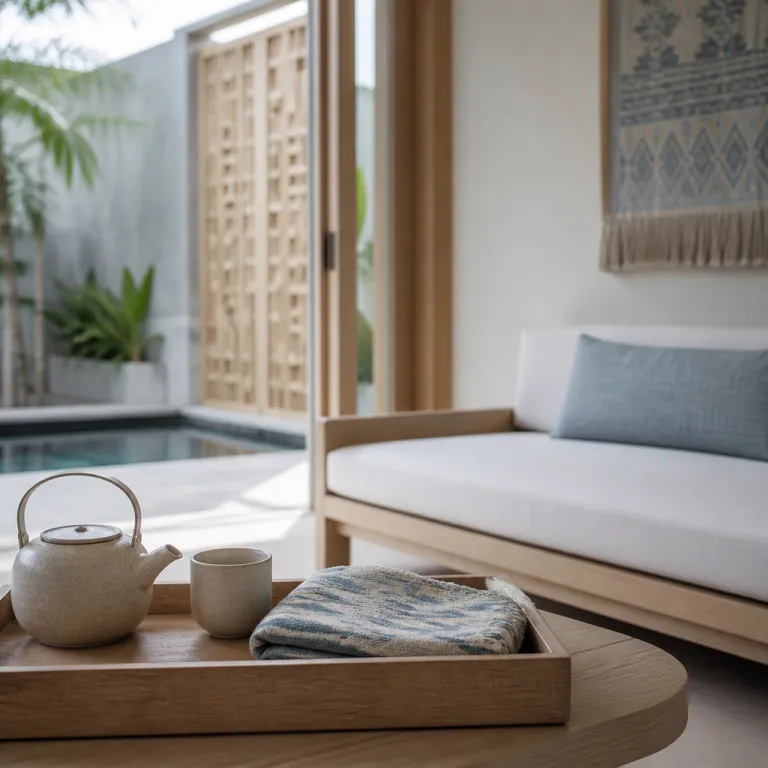
Architecture is one of the clearest ways to read Indonesia’s evolving luxury standards. On Bali, for example, many premium resorts now reinterpret the traditional alang alang roof and open air bale pavilion in contemporary forms. In Java, high end city hotels increasingly reference joglo rooflines and carved teak details while still offering full urban comfort.
This design evolution is part of the same forward looking pipeline that guides cultural programming and guest experiences. Developers and owners work with Indonesian architects, landscape designers, and craftspeople to ensure each property feels rooted in its island’s identity. For guests, that means your suite might feature hand woven ikat from Sumba, batik from Solo, or rattan furniture from Kalimantan, all sourced through traceable supply chains.
Thoughtful design also extends to how properties frame views and movement. A well planned resort in Ubud might orient villas toward rice terraces and temple spires, while a coastal retreat in Raja Ampat frames coral rich bays and limestone karsts. When you browse photos on a booking site, you are not just seeing pretty images; you are seeing how seriously each hotel takes its responsibility to express place.
Culinary journeys: from warung flavors to refined tasting menus
Food has become a decisive factor for many luxury travelers choosing hotels in Indonesia. Guests want to taste regional dishes like rendang, sate lilit, or papeda, but they also expect refined techniques and careful sourcing. Premium properties now respond with menus that move confidently between traditional recipes and contemporary interpretations.
Within this new culinary pipeline of innovation, chefs collaborate closely with local farmers, fishermen, and spice growers. A resort in Lombok might highlight organic shallots and chilies from nearby fields, while a Jakarta hotel champions single origin coffee from Toraja or Flores. Tasting menus often explain the origin of each ingredient, turning dinner into a short course on Indonesian geography and agriculture.
For travelers with dietary preferences, this new culinary seriousness brings welcome clarity. Many luxury hotels now label regional dishes carefully, offer plant based versions of classics, and provide cooking classes that respect local techniques. When you evaluate dining options on a booking platform, you can often see whether a property treats Indonesian cuisine as a core identity or a token gesture.
Sustainability, community, and the future of premium stays
Environmental responsibility is no longer a niche concern in Indonesia’s luxury hotel market. Coastal erosion, coral bleaching, and overtourism have pushed many high end properties to rethink their impact. Guests increasingly ask how their stay supports conservation, not just comfort.
Within this broader transformation of the luxury pipeline, sustainability is woven into both design and operations. Resorts in Komodo or Raja Ampat may limit villa numbers, invest in reef restoration, and train staff in marine protection. Urban hotels in Jakarta or Surabaya might prioritize energy efficient systems, water recycling, and partnerships with local social enterprises.
Travelers who care about both luxury and sustainability often research in depth before booking. Guides to luxury eco resorts in Indonesia help identify properties that balance high comfort with measurable environmental commitments. When you compare options, look for transparent reporting on energy use, waste reduction, and community investment rather than vague green slogans.
How to read booking platforms for culturally meaningful luxury
Navigating a crowded booking website can feel overwhelming, especially for first time visitors to Indonesia. Star ratings and guest scores only tell part of the story, and photos can blur together quickly. A more strategic approach focuses on cultural depth, sustainability, and clarity of information.
Start by reading how each property describes its relationship with local communities and traditions. Look for mentions of cultural advisors, long term staff training, and fair partnerships with artisans or performers. When a hotel aligns with this new generation of luxury development, it usually explains specific programs rather than using generic cultural buzzwords.
Guest reviews also offer valuable insight into whether cultural experiences feel respectful or staged. Pay attention to comments about staff knowledge, language support, and how rituals or village visits are handled. A truly premium stay in Indonesia is one where you leave with a deeper understanding of place, not just a collection of photos and spa receipts.
Key figures shaping Indonesia’s luxury and premium hotel landscape
- According to Statistics Indonesia, international arrivals exceeded 11 million visitors in 2019 before recent global disruptions, with Bali alone receiving more than 6 million, underscoring the pressure on luxury properties to manage growth responsibly.
- Data from the Indonesian Ministry of Tourism and Creative Economy in 2018 shows that cultural and heritage tourism accounts for roughly 30 percent of visitor motivations, reinforcing why high end hotels increasingly integrate ceremonies, crafts, and local narratives into their offerings.
- The World Travel and Tourism Council has reported that travel and tourism contribute over 5 percent of Indonesia’s total GDP, a share that pushes luxury and premium hotels to adopt stronger sustainability and community engagement standards.
- UNESCO currently lists several Indonesian sites, including Borobudur, Prambanan, and the Cultural Landscape of Bali, which directly influence where new high end properties are planned and how they must adapt to heritage protection rules.
- Industry analyses from firms such as Colliers Indonesia indicate a steady pipeline of new upscale and luxury rooms in Jakarta and Bali, signaling that competition will increasingly hinge on cultural authenticity and environmental performance rather than size alone.
FAQ about luxury and premium hotel booking in Indonesia
How far in advance should I book a luxury hotel in Indonesia ?
For peak seasons such as major religious holidays and school breaks, booking three to six months ahead is advisable. In quieter periods, one to two months is usually sufficient for most destinations. Remote areas with limited high end inventory, like Raja Ampat or Komodo, often require earlier planning.
Which Indonesian islands offer the best mix of luxury and culture ?
Bali remains the most developed for luxury stays with strong access to temples, dance, and crafts. Java offers a powerful combination of high end city hotels and heritage sites like Borobudur and Prambanan. Lesser known islands such as Sumba and Flores provide more intimate cultural encounters with fewer but increasingly refined properties.
Are luxury hotels in Indonesia suitable for families with children ?
Many premium properties in Indonesia cater well to families, offering kids’ clubs, connecting rooms, and child friendly pools. Some also design cultural activities for younger guests, such as batik workshops or simple language lessons. Always check age policies, especially in adults oriented wellness or honeymoon focused resorts.
How can I tell if a hotel’s cultural activities are respectful ?
Respectful programs usually involve local guides, clear explanations of etiquette, and limits on group size. Look for hotels that mention long term community partnerships rather than one off performances. Reviews that highlight meaningful interaction and context, rather than only photo opportunities, are a positive sign.
What should I look for in terms of sustainability when booking ?
Key indicators include waste reduction measures, water and energy management, and transparent support for conservation or community projects. Certifications from recognized bodies can help, but detailed reporting on a hotel’s website is even more telling. Properties that share specific goals and results tend to take sustainability more seriously.